Can Jet Cars Go in Salt Water? Coastal Operation Guide
Learn how WaterBoatCar jetcars handle salt water, coastal boating, corrosion prevention, rinsing, and routine maintenance after use.
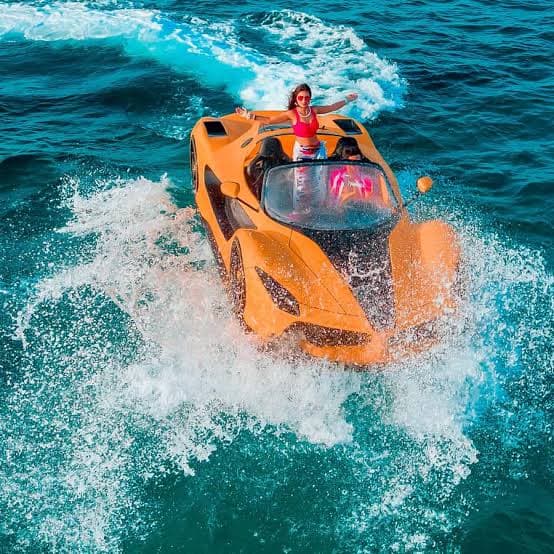
Yes — WaterBoatCar jetcars are absolutely built for salt water operation and are fully capable of coastal and ocean boating. The jet propulsion system is marine-grade and salt-water compatible, the hull materials are chosen for the marine environment, and many of our buyers operate their jetcars regularly in ocean conditions from Miami to the Mediterranean to Dubai. What salt water does require is consistent post-use care — which is standard practice for any quality powerboat, and the discipline that separates long-term excellent condition from avoidable wear.
Why salt water is a normal operating environment for a WaterBoatCar
Every WaterBoatCar jetcar is engineered for the full marine environment, which includes salt water. The jet propulsion system — impeller, intake, nozzle, and associated drive components — uses marine-grade specifications designed for continuous exposure to salt water, the same as any premium jet ski or performance powerboat. Hull construction, fastener selection, and sealing are all specified for coastal and ocean use.
This is not a capability that requires special ordering or configuration. It is the baseline engineering requirement for any serious personal watercraft, and it is what every WaterBoatCar model is built to from the outset.
Salt water vs. fresh water: what changes
Operating in salt water does not change the fundamental experience of running a WaterBoatCar jetcar — the performance, handling, and enjoyment are the same. What changes is the post-use care requirement and, over time, the inspection frequency for certain components.
| Factor | Fresh water operation | Salt water operation |
|---|---|---|
| Post-use rinse | Good practice | Essential — every single use |
| Corrosion risk | Low | Elevated — salt accelerates oxidation on metal components |
| Inspection frequency | Standard schedule | Slightly more frequent for metal fittings and fasteners |
| Engine flush | Recommended periodically | Recommended after every use |
| Exterior finish care | Standard | More frequent waxing helps protect colour finish from salt and UV |
| Storage environment | Flexible | Covered, away from salt air preferred |
The pattern is clear: the maintenance disciplines are the same as fresh water, but the frequency and consistency matter more.
The most important habit: rinse after every salt water outing
If there is one thing a salt water operator should commit to without exception, it is a thorough fresh-water rinse immediately after every outing. Salt deposits left on the hull, in the jet intake area, and on exposed metal components begin accelerating corrosion the moment the vessel is out of the water. A rinse that takes five or ten minutes at the boat ramp or in your driveway prevents hours of repair work later.
A complete post-salt-water rinse covers:
- The exterior hull and bodywork. A full wash removes salt from the painted and finished surfaces, protecting colour and preventing surface degradation.
- The jet intake area. Salt water passing through the drive system leaves deposits that, over time, affect impeller performance and accelerate wear. Flushing with fresh water clears this.
- The deck, seating, and interior. Salt spray reaches every surface during operation — rinse thoroughly rather than just the exterior hull.
- Exposed metal fittings and fasteners. Hinges, cleats, and any external metal components are where corrosion establishes first if salt is left on them.
This is not a suggestion unique to WaterBoatCar models — it is the standard protocol for any premium personal watercraft used in salt water, and the owners who do it consistently are the ones whose vessels look and perform well years later.
Additional salt water maintenance disciplines
Beyond the post-use rinse, these habits support long-term condition for salt water operators:
Periodic corrosion inhibitor application. A marine-grade corrosion inhibitor applied to exposed metal components seasonally provides a protective barrier that complements regular rinsing.
More frequent impeller and intake inspection. Salt water can deposit mineral buildup in the intake and on the impeller over time. More frequent inspection — compared to fresh water operation — allows early detection of any buildup that affects performance.
Engine flush after salt water use. Running fresh water through the engine cooling system after salt water operation is standard practice for any marine engine used in the ocean.
Storage away from salt air. When the vessel is not in use, covered dry storage away from direct ocean air is better for long-term condition than uncovered storage in a salt-air environment.
Regular waxing of the exterior finish. The premium exterior colours — Obsidian Black, Pearl White, Midnight Navy, Nardo Grey, Crimson Red, and Emerald Green — hold up well with regular waxing. Salt and UV together accelerate colour degradation over time; a quality marine wax applied several times per season is meaningful protection.
Jet propulsion and salt water: a specific advantage
One operational advantage of jet propulsion over propeller-driven vessels is particularly relevant in salt water coastal environments: the absence of an exposed propeller and external drive shaft reduces the number of below-waterline metal components exposed to constant salt water contact. Traditional outboard and sterndrive systems have more exposed external metal components that require salt water protection; jet propulsion's enclosed impeller system is inherently more sheltered.
This does not eliminate salt water maintenance requirements — the intake, drive components, and hull fittings all require the same consistent care described above. But it reduces one of the more maintenance-intensive aspects of outboard-driven vessels.
Salt water destinations where WaterBoatCar jetcars excel
Coastal and ocean environments are where many WaterBoatCar models deliver their most memorable experiences. A few of the standout destinations our owners use regularly:
Miami and South Florida. Year-round salt water boating in Biscayne Bay, the Florida Keys, and open Atlantic conditions. The shallow-water advantage of jet propulsion is particularly valuable in the Keys' turquoise flats.
The Bahamas. Crystal-clear Caribbean salt water, shallow banks, and island-hopping conditions that showcase both the performance and the design of a WaterBoatCar jetcar at their best.
The Mediterranean. From the French Riviera to the Greek islands, calm summer Mediterranean conditions with well-developed marina infrastructure make for exceptional coastal boating.
Dubai and the Arabian Gulf. Warm, calm, consistently clear salt water and world-class marina facilities — the most significant market for WaterBoatCar outside the Americas.
Our guide to the best boating destinations covers each of these and more in detail.
What is included in every delivery for salt water operators
When you take delivery of a WaterBoatCar jetcar, the maintenance documentation provided with every model includes:
- A complete maintenance schedule with salt water-specific guidance
- Post-use rinse procedure specific to your model
- Recommended marine-grade cleaning, waxing, and corrosion protection products
- Engine flush procedure and frequency recommendations
- Impeller and intake inspection schedule for salt water use
If you plan to operate primarily in salt water, make that clear during your quote and configuration conversation. Our team will ensure the delivery orientation addresses salt water operation specifically, so you leave with a complete, practical picture of what consistent care looks like for your specific model and location.
Pros and cons of salt water operation
Pros
- Full capability — WaterBoatCar jetcars are engineered for coastal and ocean environments.
- Jet propulsion's enclosed drive system is inherently more sheltered than external outboard components.
- Access to the world's most spectacular boating destinations: Miami, the Bahamas, the Mediterranean, Dubai.
- Shallow-water advantage — jet propulsion allows operation in coastal areas inaccessible to many propeller boats.
Cons / maintenance commitments
- Post-use rinse is essential after every outing — not optional.
- Inspection frequency for metal components is higher than fresh water operation.
- Exterior finish requires more frequent protective waxing in combined salt and UV exposure.
- Covered storage away from salt air is preferable to outdoor coastal storage.
Final thoughts
WaterBoatCar jetcars are fully salt water capable, and coastal and ocean boating is where many of our owners most enjoy their vessels. The maintenance discipline — primarily the post-use fresh-water rinse and consistent surface protection — is exactly what any quality personal watercraft requires in a salt water environment. Build those habits from your first outing and they become entirely routine. Our team covers the full salt water maintenance picture with every delivery so you are set up correctly from day one. Explore the models below and read our maintenance cost guide for the full picture of what ownership costs look like for salt water operators.
Frequently Asked Questions
Can WaterBoatCar jetcars go in salt water?
Yes — WaterBoatCar jetcars are fully built for salt water operation. The jet propulsion system, hull materials, and marine-grade components are all designed to function in coastal and ocean environments, the same as any quality powerboat or premium jet ski.
Does salt water operation require more maintenance than fresh water?
Yes — salt water increases corrosion risk compared to fresh water, which makes post-use rinsing and more frequent component inspection genuinely worthwhile. The most important habit is a thorough fresh-water rinse after every salt water outing.
What is the single most important maintenance habit for salt water operation?
A thorough fresh-water rinse of the hull, deck, jet intake area, and any exposed mechanical components immediately after every salt water outing. This single habit has an outsized impact on long-term condition and prevents corrosion from establishing.
Can I store my jetcar near the ocean between uses?
Yes, but covered dry storage away from direct salt air is better for long-term condition than uncovered outdoor storage in a marine environment. The further the vessel is from constant salt-air exposure when not in use, the better.
Are all five WaterBoatCar models equally suitable for salt water?
Yes — every model in the lineup is built for salt water operation. The enclosed-cabin Model MG provides the most passenger protection from salt spray during operation, but all five are engineered for coastal and ocean environments.
What happens if I skip the post-salt-water rinse regularly?
Salt deposits accelerate corrosion on metal fittings, fasteners, and drive components over time. A vessel used regularly in salt water without post-use rinsing will show accelerated wear and component degradation compared to one rinsed consistently.
Explore the models
Every WaterBoatCar jetcar is hand-finished to order. Tap a model to see specifications, gallery and pricing.
 $98,000
WBC Model MG
The definitive off-road legend now commands the open sea. Engineered for performance, designed for presence, and crafted to carry up to six in uncompromising luxury.
 $84,000
WBC Model RR
Crafted for those who refuse to arrive unnoticed. A presence worthy of royalty. A statement beyond status.
 $82,000
WBC Model LA
The pinnacle of super sports performance — now reborn on water. Where Italian passion fuels pure speed.
 $82,000
WBC Model FLF
Unmatched speed. Now unleashed on water. Driven by Italian passion, engineered for pure performance.
 $90,000
WBC Model B
The ultimate expression of performance. When only the absolute best will do, this machine delivers beyond limits.
Keep reading
Related guides that answer the next questions most buyers ask.

Jetcar Maintenance Costs | WaterBoatCar
Owning a WaterBoatCar jetcar involves marine maintenance costs similar to any high-performance personal watercraft — here's what to budget for.

Best Places to Boat with a Jet Car | WaterBoatCar
Discover calm-water destinations for a WaterBoatCar jetcar outing, from coastal marinas to scenic lakes suited to luxury boating.
Where Should You Keep Your Jet Car? | WaterBoatCar
Compare trailer, marina, and indoor storage options for your jetcar, with practical guidance for climate, access, and maintenance.
What Fuel Does a Jet Car Use? | WaterBoatCar
WaterBoatCar jetcars run on standard marine-grade gasoline — here's what fuel type to use and what to know about range and fuel capacity.
Ready to configure your jetcar?
Choose your model, colours, interior and branding, then submit your build for a confirmed quote and production timeline.