Jetcar Maintenance Costs | WaterBoatCar
Owning a WaterBoatCar jetcar involves marine maintenance costs similar to any high-performance personal watercraft — here's what to budget for.
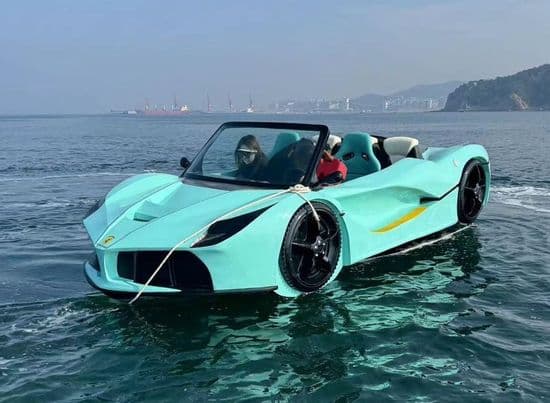
Jet car maintenance cost is one of the most ownership-relevant questions a prospective buyer can ask, and it deserves a thorough, honest answer rather than a single number that would not reflect your actual situation. Here is a full breakdown of what maintaining a WaterBoatCar jetcar actually involves — every cost category, what drives variation, and how to budget realistically for the full picture of ownership.
Why an honest maintenance breakdown matters
The purchase price of a WaterBoatCar model — from $82,000 for the Ferrari and Lamborghini-inspired models up to $98,000 for the flagship Mercedes G-Class-inspired Model MG — is only part of the total cost of ownership. Ongoing maintenance, storage, insurance, and fuel all continue indefinitely after the sale. Buyers who plan for these upfront almost never feel stretched. Buyers who budget only the purchase price sometimes do.
Our full pricing guide covers the initial investment across the lineup. This article covers everything that comes after.
The main maintenance cost categories
1. Routine engine servicing
Like any high-output marine jet propulsion engine, your jetcar needs regular servicing at manufacturer-recommended intervals:
- Oil and filter changes — the most routine item, frequency depending on usage hours
- Spark plug replacement — at intervals specified in your model documentation
- Jet intake and impeller inspection — the components that draw in and expel water for propulsion; this is one of the most important inspections specific to jet-propelled vessels
- Cooling system check — ensuring water-cooled components are functioning correctly
- Fuel system inspection — especially important before and after extended storage periods
Neglecting jet intake and impeller maintenance in particular can lead to reduced performance or more serious mechanical damage over time. This is standard practice for any premium jet ski or jet boat, and the same discipline applies to a WaterBoatCar jetcar.
2. Hull and exterior finish care
Keeping your jetcar's premium exterior finish looking as striking as the day it arrived means:
- Regular washing — especially critical after saltwater use, where corrosion risk is meaningfully higher than in freshwater
- Periodic waxing or protective coating — to preserve the color finish (Obsidian Black, Pearl White, Midnight Navy, Nardo Grey, Crimson Red, or Emerald Green) and protect against UV degradation
- General hull inspection — checking for any wear, impact marks, or areas needing attention
Proper finish care genuinely does preserve resale value over time. A jetcar stored and maintained well will hold its appearance significantly better than one treated casually.
3. Storage
Where and how you store your jetcar between uses is a real ongoing cost to factor in. The three main options are:
- Dry storage at a marina or facility — typically the most convenient, keeps the vessel protected and accessible
- Marina slip — if you prefer to keep it in the water between outings; monthly rates vary significantly by location and marina
- Trailer storage at home — the most cost-effective if you have suitable space; trailering also makes cleaning and inspection easier
Our dedicated storage guide covers these options in detail, including what to look for when choosing a storage facility for a vessel in this category.
4. Insurance
Marine insurance on a vessel in the $82,000–$98,000 range is a meaningful ongoing cost. Rates depend on:
- Your location and the waterways you typically use
- Your boating experience and claims history
- How the vessel is used (recreational vs commercial, freshwater vs saltwater)
- The insured value and any agreed-value vs actual-cash-value policy structure
We recommend getting quotes from marine insurance providers familiar with high-performance personal watercraft specifically. Our insurance guide covers what to look for in a policy and the coverage categories that matter most for a vessel in this class.
5. Fuel
Fuel consumption varies by model, throttle habits, and typical use patterns. A day of spirited open-water running will burn significantly more fuel than a relaxed cruise at moderate speed. Our fuel guide explains the correct fuel type, octane rating, and the marine-specific considerations — particularly around ethanol-blended fuels during storage — that apply to all models.
6. Winterization (climate-dependent)
If you are in a climate with a genuine cold season, winterization is an important annual cost and task:
- Properly preparing the engine, fuel system, and cooling circuits for storage
- Draining and flushing systems that would be damaged by freezing
- Protecting interior finishes and seating through the off-season
Buyers in consistently warm climates — much of Florida, the Gulf Coast states, the UAE — may not need to factor this in at all. Buyers in the northern US, UK, or northern Europe should budget for it as a routine annual line item.
Jetcar vs jet ski vs powerboat: a maintenance cost comparison
| Cost category | WaterBoatCar jetcar | Premium jet ski | Small powerboat |
|---|---|---|---|
| Engine servicing | Moderate-high (high-output engine) | Moderate | Moderate |
| Hull and finish care | Higher (premium hand-finished exterior) | Lower | Moderate |
| Storage | Similar | Similar | Similar |
| Insurance | Higher (asset value) | Lower | Moderate |
| Winterization | Same (climate-dependent) | Same | Same |
| Fuel | Moderate-high | Moderate | Moderate |
| Overall annual running cost | Higher than entry jet ski | Lower | Broadly comparable |
The honest summary: maintaining a WaterBoatCar jetcar costs more than maintaining an entry-level jet ski, because the engine output is higher and the finish is more premium. It is broadly comparable to other luxury personal watercraft or small high-performance powerboats. It is not dramatically higher — the cost categories are exactly the same, the absolute figures are somewhat higher reflecting the asset value and specification level.
What we provide to help manage costs
Every WaterBoatCar delivery includes:
- A full maintenance guide specific to your model, covering every service interval and recommended specification
- A recommended service schedule tied to usage hours rather than just calendar time
- Guidance on finding qualified marine technicians experienced with high-output jet propulsion systems in your area
- Registration and licensing documentation support to ensure you are properly set up from day one
We set clear, honest expectations upfront because we would rather a buyer go in with an accurate picture of ownership costs than discover ongoing expenses as an unwelcome surprise after purchase.
DIY vs professional servicing: what you can do yourself
| Task | DIY appropriate | Professional recommended |
|---|---|---|
| Washing and rinsing after use | Yes | — |
| Waxing and exterior protection | Yes | — |
| Visual hull inspection | Yes | — |
| Fuel system top-up and stabiliser | Yes | — |
| Oil and filter changes | With experience | Recommended |
| Impeller and jet intake inspection | Experienced boaters | Recommended |
| Full engine service | No | Yes |
| Winterization | With experience | Recommended |
| Electronics and electrical faults | No | Yes |
Basic care like washing, visual inspection, and applying protective coatings is entirely manageable for most owners. Anything involving the engine, jet intake, or fuel system is best handled by a marine technician with specific experience in high-output jet propulsion — the same standard you would apply to any premium jet ski or sport boat.
Budgeting the full ownership picture
If you are currently in the research phase, here is a useful framework for thinking about total annual running costs. The numbers below are indicative — actual figures will vary by location, usage, and storage choice — but they give a realistic starting structure:
- Engine servicing: varies by usage hours and local marine service rates
- Hull and finish care: relatively modest if done consistently; more expensive if neglected and needing restoration
- Storage: one of the most variable costs depending on location; ranges from modest (home trailer storage) to significant (premium marina slip in Miami or Dubai)
- Insurance: request quotes from marine specialists using your specific model's value and your usage profile
- Fuel: depends entirely on how often and how hard you run it
- Winterization: relevant only in cold climates; modest cost if done annually as planned maintenance
The best approach is to get real local quotes for storage and insurance early — those are the two items with the widest variance by location. Fuel and servicing costs are more predictable once you know your usage pattern.
How maintenance needs change over time
A well-maintained WaterBoatCar jetcar is not a constant, escalating cost — the servicing needs in year one are broadly similar to those in year five. What tends to change is the depth of some service intervals: certain components that need inspection annually in early years may benefit from replacement in later ones, and the impeller may eventually require replacement after sustained high-use operation.
The pattern mirrors what experienced powerboat owners already know: the vessels that age best — mechanically and cosmetically — are almost always the ones whose owners treated routine maintenance as a genuine priority from day one rather than catching up periodically after neglect. An annual service that costs a modest amount prevents the much larger repair cost that follows from deferring it.
Our service schedule documentation is designed to make this easy: clear intervals, clear tasks, and enough detail that working with any qualified marine technician — even one unfamiliar with WaterBoatCar models specifically — is straightforward.
Saltwater vs freshwater: a real cost difference
If you primarily operate in saltwater environments — the ocean, tidal estuaries, brackish coastal waters — your maintenance discipline needs to be somewhat more rigorous than freshwater operation, and the reason is straightforward: corrosion.
Salt is corrosive to metal components, drive systems, and certain finishes in ways that freshwater simply is not. The practical implications:
- Rinse immediately after every saltwater use. Fresh water rinse of the hull, deck, intake area, and any exposed mechanical components should happen every time, without exception. This single habit has an outsized impact on long-term condition.
- Inspect more frequently. Saltwater operators should increase the frequency of visual inspection for corrosion on fasteners, fittings, and exposed metal components.
- Service intervals may compress slightly. Depending on how frequently and how aggressively you operate in saltwater, some service intervals benefit from shortening relative to the freshwater schedule.
- Storage environment matters more. Dry storage away from the marine environment is more beneficial for saltwater-use vessels than freshwater ones.
The cost difference between a well-maintained saltwater-operated jetcar and a neglected one is not subtle over a multi-year ownership period. The additional effort involved — principally the post-use rinse — is genuinely minimal relative to the protection it provides.
Planning maintenance around your usage season
In most markets, WaterBoatCar ownership clusters into a primary usage season and an off-season period. Planning maintenance around this rhythm rather than reacting to it as needed makes the whole process more cost-effective.
A useful seasonal maintenance rhythm looks like:
Start of season: Full service inspection, impeller and intake check, fuel system check and fresh fuel, safety equipment review, registration renewal if due, insurance renewal if due.
During season: Post-use rinse (every use), periodic visual inspection, fuel stabiliser in the tank during any multi-week breaks in use.
End of season: Thorough wash and detailing, full service inspection, winterization where applicable, storage preparation, documentation of any issues found for early-season attention.
This rhythm means problems are found and addressed at predictable points rather than discovered mid-season when they are most inconvenient and often more expensive to fix. It also means your service costs are reasonably predictable and budgetable rather than surprising.
Final thoughts
Maintaining a WaterBoatCar jetcar involves the same broad cost categories as any premium personal watercraft — engine servicing, hull care, storage, insurance, fuel, and seasonal preparation. The absolute costs are somewhat higher than an entry-level jet ski, reflecting the higher specification level, and broadly comparable to other luxury recreational vessels. We provide the maintenance documentation and guidance with every delivery to help every owner budget accurately and keep their jetcar running and looking exactly as it should for years to come. Start by reading our full ownership cost guide and our insurance guide to get the complete picture before you finalise your decision.
Frequently Asked Questions
How much does it cost to maintain a jet car per year?
Annual maintenance costs vary by location, usage, and storage choices, but as a general frame of reference, routine upkeep for a well-cared-for WaterBoatCar jetcar is broadly comparable to owning any premium personal watercraft — engine servicing, hull care, insurance, and storage are the main ongoing categories.
Is maintaining a jetcar more expensive than a regular jet ski?
Generally somewhat higher, reflecting the higher-output engine and premium finish craftsmanship compared to an entry-level jet ski, though not dramatically so — it is broadly comparable to other premium personal watercraft.
Can I do routine maintenance myself?
Basic care like washing and visual inspection is manageable for most owners. Engine servicing and jet intake maintenance are best handled by a marine technician experienced with high-output jet propulsion systems.
Does saltwater use significantly increase maintenance needs?
Yes — saltwater exposure increases corrosion risk compared to freshwater use, making regular rinsing and more frequent inspection genuinely worthwhile if you primarily operate in saltwater.
What happens if I skip winterization in a cold climate?
Skipping proper winterization risks freeze damage to the engine and fuel system, which can be considerably more costly to repair than the winterization process itself would have cost.
Do you provide a recommended service schedule?
Yes — every delivery includes a maintenance guide and recommended service schedule tailored to your specific model.
Explore the models
Every WaterBoatCar jetcar is hand-finished to order. Tap a model to see specifications, gallery and pricing.
 $98,000
WBC Model MG
The definitive off-road legend now commands the open sea. Engineered for performance, designed for presence, and crafted to carry up to six in uncompromising luxury.
 $84,000
WBC Model RR
Crafted for those who refuse to arrive unnoticed. A presence worthy of royalty. A statement beyond status.
 $82,000
WBC Model LA
The pinnacle of super sports performance — now reborn on water. Where Italian passion fuels pure speed.
 $82,000
WBC Model FLF
Unmatched speed. Now unleashed on water. Driven by Italian passion, engineered for pure performance.
 $90,000
WBC Model B
The ultimate expression of performance. When only the absolute best will do, this machine delivers beyond limits.
Keep reading
Related guides that answer the next questions most buyers ask.
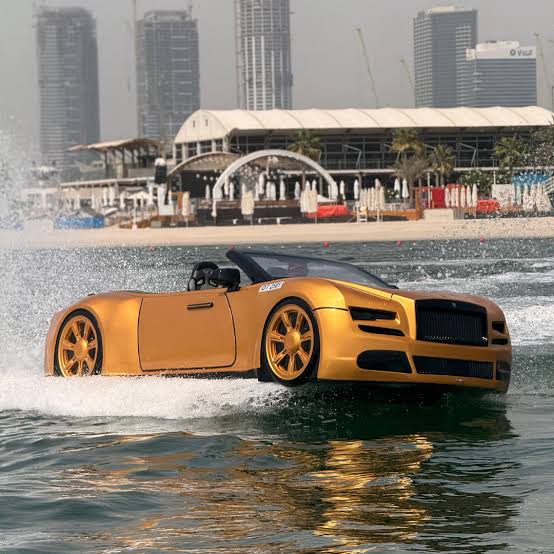
How Much Does a Jet Car Cost? | WaterBoatCar
See starting prices for every WaterBoatCar jetcar model, what is included, and which features affect the final cost of a custom build.

Can You Finance a Jet Car? | WaterBoatCar
Yes — WaterBoatCar buyers can explore marine financing options for their luxury jetcar. Here's how financing luxury watercraft typically works.
Jet Car Insurance — What Coverage You Need and What It Costs
Learn how to insure a WaterBoatCar jetcar, including marine coverage, expected costs, documentation, and preparation before launch.
Where Should You Keep Your Jet Car? | WaterBoatCar
Compare trailer, marina, and indoor storage options for your jetcar, with practical guidance for climate, access, and maintenance.
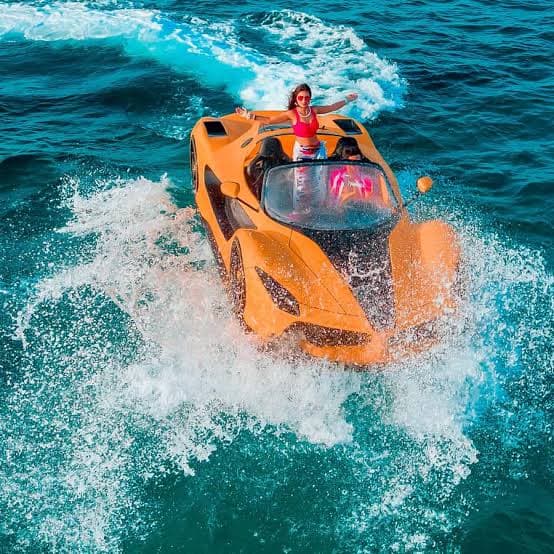
What Fuel Does a Jet Car Use? | WaterBoatCar
WaterBoatCar jetcars run on standard marine-grade gasoline — here's what fuel type to use and what to know about range and fuel capacity.
Ready to configure your jetcar?
Choose your model, colours, interior and branding, then submit your build for a confirmed quote and production timeline.