Can You Finance a Jet Car? | WaterBoatCar
Yes — WaterBoatCar buyers can explore marine financing options for their luxury jetcar. Here's how financing luxury watercraft typically works.

Jet car financing is a completely normal path to ownership, and yes — you can finance a WaterBoatCar jetcar the same way buyers finance any luxury powerboat or high-end personal watercraft. Given that our models start at $82,000 and run up to $98,000 for the flagship Mercedes G-Class-inspired Model MG, it would be strange if buyers did not ask about payment options. This guide explains exactly how a luxury watercraft loan works, what marine lenders look at, how financing slots into our configuration-and-quote process, and what documentation we hand over so your lender can move quickly.
Why jet car financing goes through marine lenders, not auto lenders
The single most important thing to understand about financing a jetcar is that it is not an automotive purchase, even though the design language is borrowed from Bugatti, Ferrari, Lamborghini, Rolls-Royce and the Mercedes G-Class. A WaterBoatCar jetcar is titled and registered as a watercraft, not as a motor vehicle. That legal classification determines which lenders can write the loan.
Auto lenders underwrite against vehicle identification numbers, dealer invoices and standardised depreciation tables for road cars. None of that applies here. Marine lenders, by contrast, specialise in recreational vessel loans: they understand hull identification numbers, marine surveys, vessel registration, and — crucially — they are used to lending against custom-built or made-to-order boats that do not yet physically exist at the moment the loan is written. That last point matters a great deal for us, because every WaterBoatCar jetcar is configured and hand-finished to order rather than sold off a lot.
If you approach a standard car loan department, you will usually be told the product does not fit their category. Approach a marine lending desk at the same bank, or a credit union with a recreational vessel programme, and you are in exactly the right place.
Marine loan vs auto loan vs paying cash
| Factor | Marine loan | Auto loan | Paying cash |
|---|---|---|---|
| Available for a jetcar | Yes — correct asset category | Generally no, wrong asset class | Always |
| Typical term length | Often 5–15 years in this price bracket | 3–7 years | Not applicable |
| Monthly payment on an $82,000–$98,000 build | Lower, because the term is longer | Higher, shorter term | None |
| Works for a made-to-order, not-yet-built vessel | Yes, this is routine | Rarely | Yes |
| Insurance required before funding | Usually yes | Usually yes | Your choice, still strongly advised |
| Total cost over time | Higher, because of interest | Higher rate, shorter exposure | Lowest |
| Speed once documents are ready | Days to a couple of weeks | Fast, but usually declined here | Immediate |
What marine lenders actually look at
Marine loan approval is not mysterious. Lenders weigh a fairly predictable set of factors:
- Purchase price and down payment. The confirmed quote total sets the loan amount. A larger down payment reduces the lender's exposure and usually improves your rate.
- Credit profile. Score, history and existing obligations drive both approval and pricing, exactly as they would on a mortgage or car loan.
- Debt-to-income ratio. Lenders want to see that the new payment fits comfortably alongside your existing commitments.
- Loan term. Recreational vessel loans in this price bracket commonly run longer than a car loan — frequently in the 5 to 15 year range depending on the lender and amount. A longer term brings the monthly figure down, at the cost of more total interest.
- Asset documentation. A formal price quote, vessel specifications and an estimated delivery timeline. We provide all three.
Because terms are typically longer than automotive terms, the monthly payment on a jetcar often lands closer to a nice car payment than buyers expect, even though the purchase price is higher. That is the main reason financing is so common in this category rather than an exception.
How financing fits into the WaterBoatCar process
WaterBoatCar operates on a configuration-and-quote model rather than instant online checkout, so the sequence looks like this:
- Configure your build. Choose your model — Bugatti, Ferrari, Lamborghini, Rolls-Royce or Mercedes G-Class-inspired — then select exterior finish, interior, rims, optional custom logo and any notes for our team.
- Submit through Request and Configure. Your configuration goes to a real person, not an automated cart.
- Receive your confirmed quote. Our team confirms exact final pricing, specifications and a realistic production timeline for your specific build.
- Apply for financing. With the confirmed quote in hand, approach your own bank, credit union or a marine lender of your choosing.
- Arrange insurance. Most lenders want proof of marine coverage before releasing funds, so run that quote in parallel.
- Build and delivery. Production proceeds while your financing finalises, and disbursement typically lines up with delivery.
We are deliberately not tied to a single financing partner and we do not push buyers toward one option. You have full flexibility to shop for the best rate and terms available to you — which, in practice, is worth real money over a ten-year term.
Documentation we provide your lender
Marine lenders will typically want documentation of the purchase before finalising approval. Providing this is a routine part of how most buyers in this price range complete their purchase, so nothing about the request surprises us:
- A formal, itemised price quote for your exact configuration
- Vessel specifications, including engine, hull dimensions and passenger capacity
- An estimated production and delivery timeline
- Confirmation of deposit terms and payment milestones
- Any supplementary specification detail a particular underwriter requests
If your lender needs something in a specific format, ask. It is almost always easier for us to reissue a document than for you to argue with an underwriter.
Pros and cons of financing a jetcar
Pros
- Preserves liquidity. An $82,000 to $98,000 purchase does not have to come out of savings or investments in one hit.
- Longer terms soften the payment. Marine terms in the 5–15 year range make the monthly figure far more manageable than an auto-length term would.
- You can build the vessel you actually want. Buyers who finance are more likely to specify the configuration they will still be happy with in five years, rather than trimming the build to hit a cash number.
- Rate shopping is genuinely competitive. Because we do not lock you to a captive lender, you can compare banks, credit unions and marine specialists.
- Predictable budgeting. A fixed-rate marine loan turns a large one-off purchase into a known monthly line item.
Cons
- Interest increases total cost. Over a long term, the total paid can exceed the purchase price meaningfully.
- Insurance is effectively mandatory. Lenders almost always require coverage, which is an additional running cost to budget alongside maintenance.
- Approval is not guaranteed. Credit profile and debt-to-income ratio can lead to a decline or a less attractive rate.
- Paperwork and timing. Loan approval adds a workstream that has to run alongside your build rather than after it.
- Longer terms mean longer exposure. If your circumstances change, you remain committed to the payment.
A realistic example
One recent buyer configuring a Bugatti-inspired Model B at $90,000 used a marine lender he had already worked with for a previous boat purchase. Because he had an existing relationship and a strong credit history, approval moved quickly once we provided the confirmed quote and specifications. His financing was fully in place well before the build was completed, so delivery and loan disbursement lined up smoothly.
The lesson is not that everyone gets that outcome — it is that starting the lender conversation early, with proper documentation in hand, is what made it painless.
Budgeting beyond the loan payment
The loan is only one line in the ownership budget. Before you commit to a payment, sanity-check the full picture:
- Insurance. Required by nearly every lender, and worth reading up on in our jetcar insurance guide.
- Storage or mooring. Where you keep the vessel materially affects annual cost — see where you should keep your jet car.
- Maintenance and servicing. Marine engines need attentive care; our maintenance cost breakdown covers what to expect.
- Fuel. Consumption depends on how hard you run it and which model you choose, as covered in what fuel does a jet car use.
- Registration and licensing. Requirements vary by state, as explained in are jet cars street legal in my state.
Buyers who account for these upfront almost never feel stretched later. Buyers who budget only the loan payment sometimes do.
Choosing the right model for your budget
If the monthly payment is the real constraint rather than the concept, model choice matters. The Ferrari-inspired Model FLF and Lamborghini-inspired Model LA both start at $82,000, making them the most accessible entry points into the lineup. The Rolls-Royce-inspired Model RR sits at $84,000 with six-passenger capacity, the Model B at $90,000, and the enclosed-cabin Model MG at $98,000. Our pricing breakdown walks through the full comparison, and if you are weighing the purchase as a whole, is a jet car worth the investment is the honest version of that conversation.
A practical note on specification: it is usually smarter to finance the build you want than to strip options to reduce the loan by a few thousand dollars. The payment difference across a long marine term is often modest, while the difference in how much you enjoy the vessel is not.
How credit unions compare to banks for marine loans
Buyers who have only dealt with high-street banks for previous loans sometimes overlook credit unions, which can be a meaningful oversight in this context. Many credit unions with recreational lending programmes offer better rates than commercial banks on marine loans, particularly for members with strong existing relationships and good credit history. They also tend to be more flexible on made-to-order vessels — a point that matters when the asset does not yet physically exist at the moment of application.
The practical approach is to request rate quotes from at least three sources: your existing bank, a credit union you are eligible to join or already belong to, and a marine-specialist lender. Rate differences across a ten-year term on a loan of this size are not trivial. A half-point difference in APR over ten years on a $90,000 loan can be thousands of dollars in total interest, and there is no reason to pay more than you need to when comparison shopping costs you only time.
Some buyers also approach the lender conversation having already done a soft pre-approval check before their WaterBoatCar quote is finalised. This is a sensible move — it lets you understand roughly what rate and term you qualify for before you commit to a specific build configuration, which in turn helps you make a more informed decision about which model and options sit within a comfortable payment envelope.
What happens if your financing falls through
It is worth having a contingency plan, even if you are confident in your application. The most common reasons marine loan applications run into difficulty are credit profile issues that were not apparent upfront, debt-to-income ratios that tighten when the lender stress-tests the payment, and asset-class mismatches if an applicant approaches the wrong type of lender. None of these is necessarily a dead end.
If an application is declined, the most productive first step is to understand the specific reason from the lender, because the fix depends entirely on the cause. A credit profile issue may be addressable over a few months of preparation before re-applying. A debt-to-income ratio that is borderline may be improved with a larger down payment, which reduces the loan amount and improves the ratio. An asset-class mismatch is simply a matter of approaching a lender who handles marine vessels rather than one who does not.
We have worked with buyers who needed a second attempt, and in most cases the root cause was resolvable with some preparation and the right lender match. Start the financing conversation early enough that a delay in approval does not delay your delivery, and you have options rather than pressure.
Common mistakes to avoid
- Leaving financing until the build is nearly finished. Approval, insurance and funding all take time; start early.
- Applying at an auto loan desk. You will be declined for category reasons, not credit reasons, and it wastes a credit enquiry.
- Only getting one quote. Rates and terms vary meaningfully between banks, credit unions and marine specialists.
- Forgetting running costs. Insurance, storage, servicing and fuel all continue after the loan closes.
- Assuming a quote is final before it is confirmed. Configurator pricing guides you; the confirmed quote from our team is what a lender will actually underwrite against.
Final thoughts
Financing a WaterBoatCar jetcar works the same way financing any luxury powerboat does — through a marine lender of your choosing, using the confirmed quote and specifications we provide once your configuration is finalised. It is a well-worn path for buyers in this price range, not something unusual or complicated. Configure the build you actually want, get the quote confirmed, then start the lender conversation early. Everything else tends to fall into place from there.
Frequently Asked Questions
Does WaterBoatCar offer financing directly?
We don't currently operate as a direct lender ourselves — financing is arranged through your own bank, credit union, or a marine lender of your choice, and we provide whatever documentation your lender needs to process the application.
Will a bad credit history prevent me from financing a jetcar?
As with any major loan, credit history affects approval odds and rate, but marine lenders vary in their criteria — it's worth shopping multiple lenders rather than assuming one no means no everywhere.
Can I put down a partial deposit and finance the rest?
Down payment structure depends on your chosen lender's terms rather than something we set — discuss down payment options directly with the marine lender you choose to work with.
Do all five models qualify equally for financing?
Generally yes — marine lenders evaluate based on total purchase price and your financial profile rather than the specific model, though your particular lender can confirm their own policy.
How long does loan approval typically take relative to build time?
This varies by lender, but many buyers secure financing well within our typical production timeline — it is worth starting the loan conversation as soon as your quote is confirmed rather than waiting until delivery is imminent.
Do I need marine insurance in place before financing closes?
Most marine lenders require proof of insurance before they release funds, so it is sensible to line up an insurance quote in parallel with your loan application rather than afterwards.
Can I finance configurator options and a trailer as part of the loan?
Because the loan is generally written against the confirmed total quote, optional equipment included in that quote is normally financed alongside the vessel — confirm the exact treatment with your lender.
Explore the models
Every WaterBoatCar jetcar is hand-finished to order. Tap a model to see specifications, gallery and pricing.
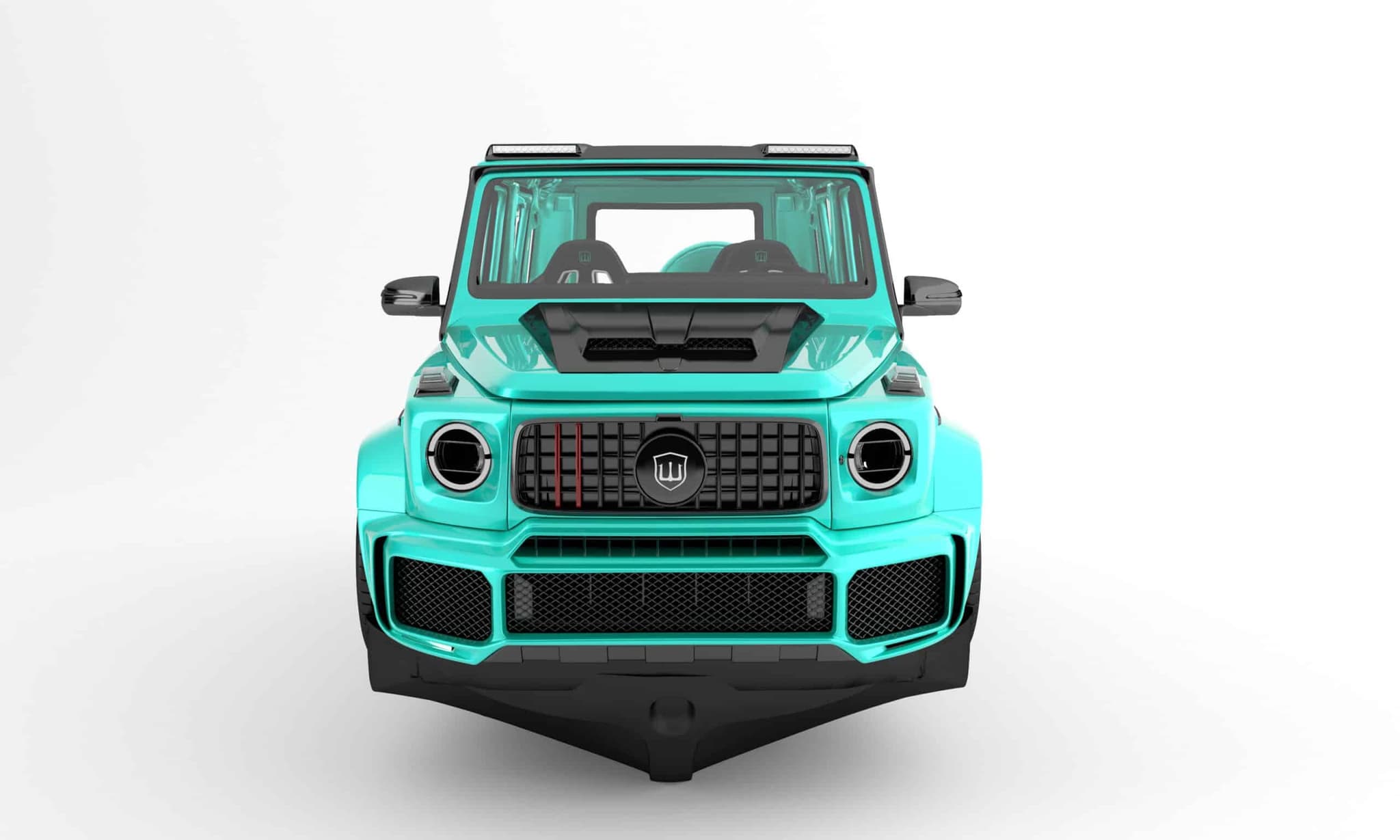 $98,000
WBC Model MG
The definitive off-road legend now commands the open sea. Engineered for performance, designed for presence, and crafted to carry up to six in uncompromising luxury.
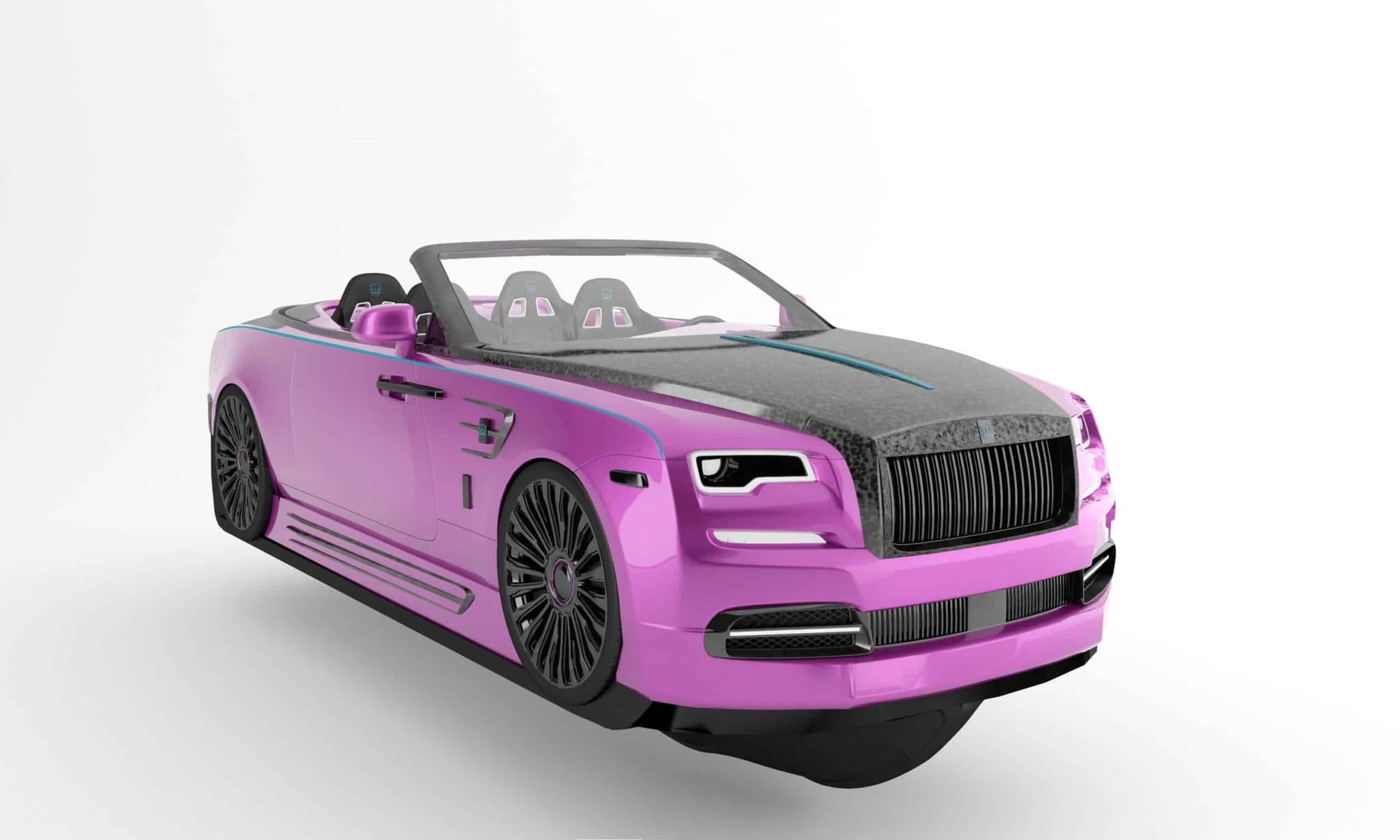 $84,000
WBC Model RR
Crafted for those who refuse to arrive unnoticed. A presence worthy of royalty. A statement beyond status.
 $82,000
WBC Model LA
The pinnacle of super sports performance — now reborn on water. Where Italian passion fuels pure speed.
 $82,000
WBC Model FLF
Unmatched speed. Now unleashed on water. Driven by Italian passion, engineered for pure performance.
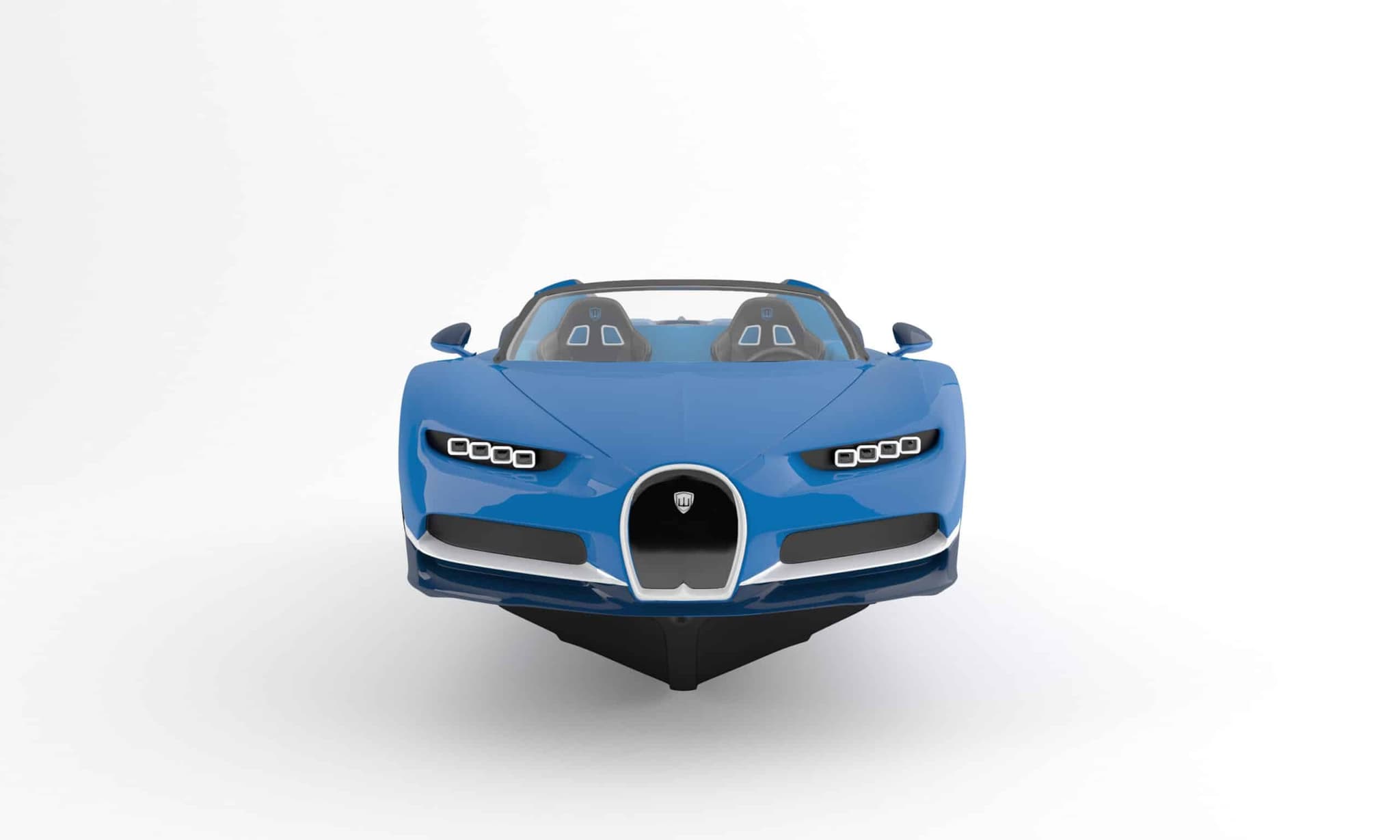 $90,000
WBC Model B
The ultimate expression of performance. When only the absolute best will do, this machine delivers beyond limits.
Keep reading
Related guides that answer the next questions most buyers ask.
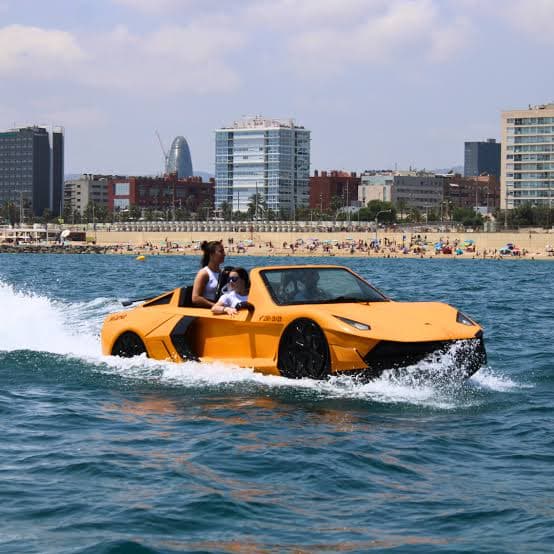
Cheapest Jet Car Available | WaterBoatCar
Compare WaterBoatCar jetcar models, features, and pricing, including the most accessible options starting at $82,000.
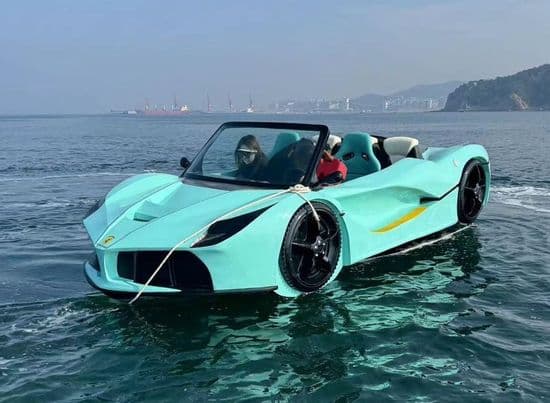
Is a Jet Car Worth the Investment? Honest Value Analysis
Evaluate WaterBoatCar jetcar value, ownership costs, performance, maintenance, and the practical considerations behind this luxury purchase.
Jetcar Maintenance Costs | WaterBoatCar
Owning a WaterBoatCar jetcar involves marine maintenance costs similar to any high-performance personal watercraft — here's what to budget for.
Jet Car Insurance — What Coverage You Need and What It Costs
Learn how to insure a WaterBoatCar jetcar, including marine coverage, expected costs, documentation, and preparation before launch.
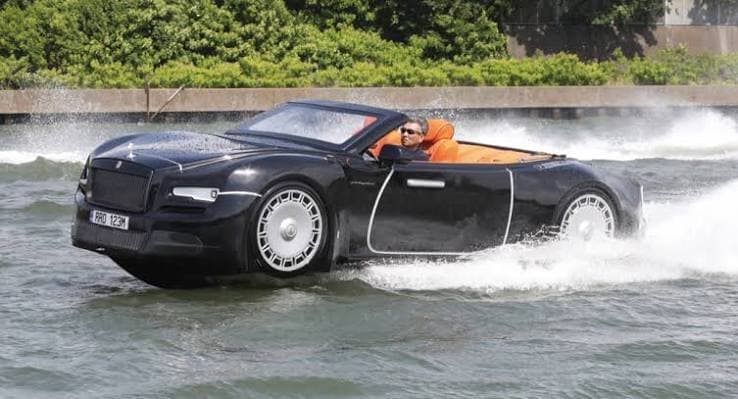
How Long to Build a Jet Car? | WaterBoatCar
Jet car build time runs from quote confirmation to hand-finished delivery — here's the full WaterBoatCar production and delivery timeline stage by stage.
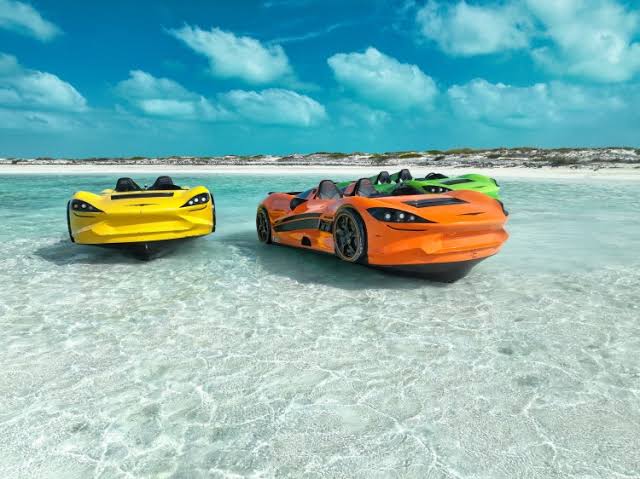
Where Can I Buy a Jet Car? | WaterBoatCar
WaterBoatCar jetcars are sold directly through our configurator and quote request system — here's exactly how to start the process.
Ready to configure your jetcar?
Choose your model, colours, interior and branding, then submit your build for a confirmed quote and production timeline.