Are Jet Cars Legal in My State? | WaterBoatCar
WaterBoatCar jetcars are watercraft, not road vehicles — here's what that means for registration, licensing, and where you can legally operate one.
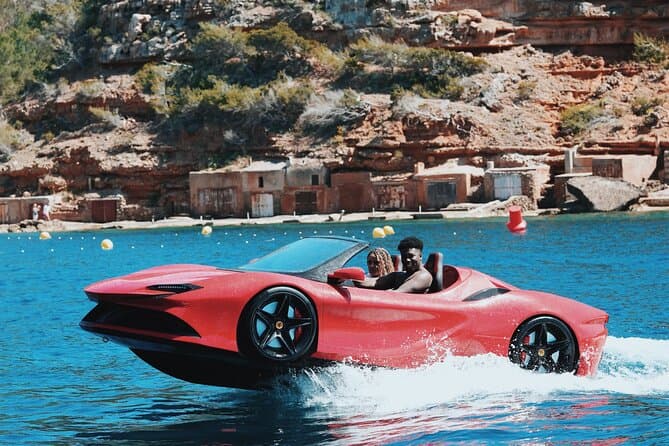
Jet car street legal questions almost always start from the wrong assumption, so let's clear it up in the first sentence: a WaterBoatCar jetcar is a watercraft, not a road vehicle, which means the phrase "street legal" — a term that describes road-vehicle compliance — doesn't actually apply to it. A lot of people land on this question expecting a complicated legal maze, state by state, full of loopholes and gray areas. The truth is much simpler once you understand what a WaterBoatCar jetcar actually is: it's a vessel styled to look like a Bugatti, Ferrari, Lamborghini, Rolls-Royce, or Mercedes G-Class, but built entirely to operate on water using a marine jet propulsion system. It never touches a public road, so the real question buyers should be asking is: what do I need to legally operate this on the water in my state?
The short answer
You don't need street-legal equipment, a driver's license, or vehicle registration for a WaterBoatCar jetcar, because it's classified and titled as a personal watercraft, not a motor vehicle. What you do need is whatever your state requires for operating a powered vessel on public waterways — and that's a much shorter, more manageable list than road-vehicle law. There's no DMV inspection, no emissions test, no license plate, and no annual roadworthiness certificate to chase down. Instead, you follow the same registration path that every boat, yacht, and jet ski owner in your state already follows.
Road vehicle vs. watercraft: what actually applies
The single most useful way to understand the legal picture is to see the two categories side by side. A road vehicle and a watercraft are governed by completely different rule sets, and a jetcar sits squarely in the watercraft column.
| Requirement | Road vehicle (car) | WaterBoatCar jetcar (watercraft) |
|---|---|---|
| Governing body | DMV / DOT | State marine authority (DNR, Fish & Wildlife, Boating Bureau) |
| Operator credential | Driver's license | Boater education card (where required) |
| Registration | License plate + title | Vessel registration + hull numbers |
| Safety inspection | Annual/biennial inspection | Onboard safety equipment check |
| Emissions test | Required in many states | Not applicable |
| Insurance | Mandatory auto policy | Recommended marine/watercraft policy |
| Where you operate | Public roads | Public waterways |
Reading it this way makes the confusion disappear: none of the left-hand column applies, because a jetcar never operates in the environment those rules were written for.
What most states actually require
In the US, requirements vary somewhat, but the pattern across states is consistent. You'll need to register the vessel and display its registration numbers, and depending on your birth year or the state you're in, you may need to complete a boater education course and carry a boating safety certificate. On top of that, most states require basic safety equipment aboard: a US Coast Guard-approved life jacket for every passenger, a fire extinguisher, a sound-producing device (like a horn or whistle), and navigation lights if you plan to operate after sunset or in low visibility. None of this is unique to jetcars — it's the exact same list any powerboat or personal watercraft owner deals with.
Why the "street legal" framing causes confusion
The confusion usually comes from the name "jet car" itself, and from years of online chatter about actual thrust-powered jet dragsters — vehicles built for drag strips that genuinely can't meet federal road-vehicle safety standards. That's a completely different machine from what WaterBoatCar builds. Because our models are visually inspired by supercars, people sometimes assume the legal questions that apply to a road vehicle (emissions testing, DOT equipment requirements, vehicle inspections) apply here too. They don't, because this vessel is never driven on a road in the first place. The styling is skin-deep from a legal standpoint: regulators look at what the machine does, not what it resembles.
Pros and cons of the watercraft classification
For a prospective owner, being classified as a watercraft rather than a road vehicle carries some genuine advantages — and a couple of things to simply be aware of.
Pros
- No driver's license, DMV inspection, or emissions testing required.
- Registration is typically cheaper and simpler than titling a comparable-value car.
- Boater education, where required, is a one-time course rather than a recurring test.
- You can operate on a huge range of public waterways without route or road restrictions.
Cons / things to plan for
- You may need a boater safety certificate depending on your age and state.
- You'll need to carry required onboard safety equipment on every outing.
- Registration must be renewed and re-filed if you move states.
- Local rules on speed, distance from shore, and no-wake zones still apply.
State-by-state nuances that do matter
While the "is it street legal" question is essentially moot, the boating-specific requirements genuinely do vary by state, and it's worth checking your specific state's marine authority website before your first outing. This is usually your state's Department of Natural Resources, Fish & Wildlife division, or a dedicated Boating Bureau. A few things that commonly differ: the minimum age to operate a personal watercraft without adult supervision, whether boater education is mandatory for all operators or just those born after a certain year, and specific equipment rules for personal watercraft versus larger powerboats. Some states also have specific rules for operating within a certain distance of shore, swimmers, or other vessels — these matter more for how you use a WaterBoatCar jetcar day to day than any question about street legality ever would.
International buyers
Outside the US, the same basic framework applies with local variation: register the vessel with your country's marine or maritime authority, hold whatever boating license or certification is required locally, and follow local waterway rules regarding speed, distance from shore, and protected areas. Countries with a strong boating culture — much of Europe, the Gulf states, and parts of Asia — tend to have well-established, straightforward processes for registering a new personal watercraft. Our team has supported buyers through this in multiple markets and can walk you through what's specific to your country, so you're never left guessing about local paperwork.
A real scenario
One buyer we worked with in Florida assumed, based on the name, that his new jetcar might need some kind of special road-use permit given its car-inspired design. He'd seen forum discussions online about actual jet dragsters and DMV disputes and worried the same applied to him. Once we walked him through the fact that this is a titled, registered watercraft — the same process as any new boat purchase — the entire question resolved itself. He completed Florida's standard boater education requirement (mandatory for anyone born after 1988), registered the vessel, and was on the water within a couple of weeks of delivery. His experience is the norm, not the exception: nearly every buyer who arrives worried about "street legal" red tape discovers the real process is refreshingly ordinary.
How our delivery process removes the guesswork
Because the requirements shift by location, we treat legal setup as part of the handover rather than something we leave you to figure out alone. When you request a quote through the configurator, our team provides specific guidance on registration, licensing, and legal operation requirements for your exact location — including which authority to file with, whether boater education applies to you, and what safety equipment your jurisdiction expects on board. The goal is that there's never any ambiguity between placing your order and your first time on the water.
Final thoughts
The honest answer to "are jet cars street legal in my state" is that the question itself doesn't apply — because a WaterBoatCar jetcar is a watercraft. The real, much simpler question is what your state requires to operate a personal watercraft, and our team walks every buyer through exactly that as part of the delivery process. Explore the models below to see which design fits you, then use the configurator to start a build and get location-specific guidance in your quote.
Frequently Asked Questions
Do I need a special license to drive a jetcar?
You need whatever boating license or safety certification your state or country requires for personal watercraft — not a driver's license, and not any special 'jetcar' license, since none exists as a separate category.
Can I register a jetcar the same way I'd register a boat?
Yes. A WaterBoatCar jetcar is registered through your state or country's standard marine vessel registration process, the same as any powerboat or personal watercraft.
Does the car-inspired design affect the legal classification at all?
No. Regulators classify the vessel based on its function (a jet-propelled watercraft) not its aesthetic styling, so the Bugatti, Ferrari, or Rolls-Royce-inspired design has no bearing on registration or licensing requirements.
What happens if I move to a different state after buying one?
You'll typically need to re-register the vessel in your new state, similar to re-registering a car or boat after a move. Requirements can differ slightly, so it's worth checking your new state's marine authority.
Is there an age minimum to operate a jetcar?
This is set by your state or country, not by us — many US states allow supervised operation at a younger age but require an unsupervised operator to meet a minimum age (commonly 14–16) and hold a boater safety certificate.
Explore the models
Every WaterBoatCar jetcar is hand-finished to order. Tap a model to see specifications, gallery and pricing.
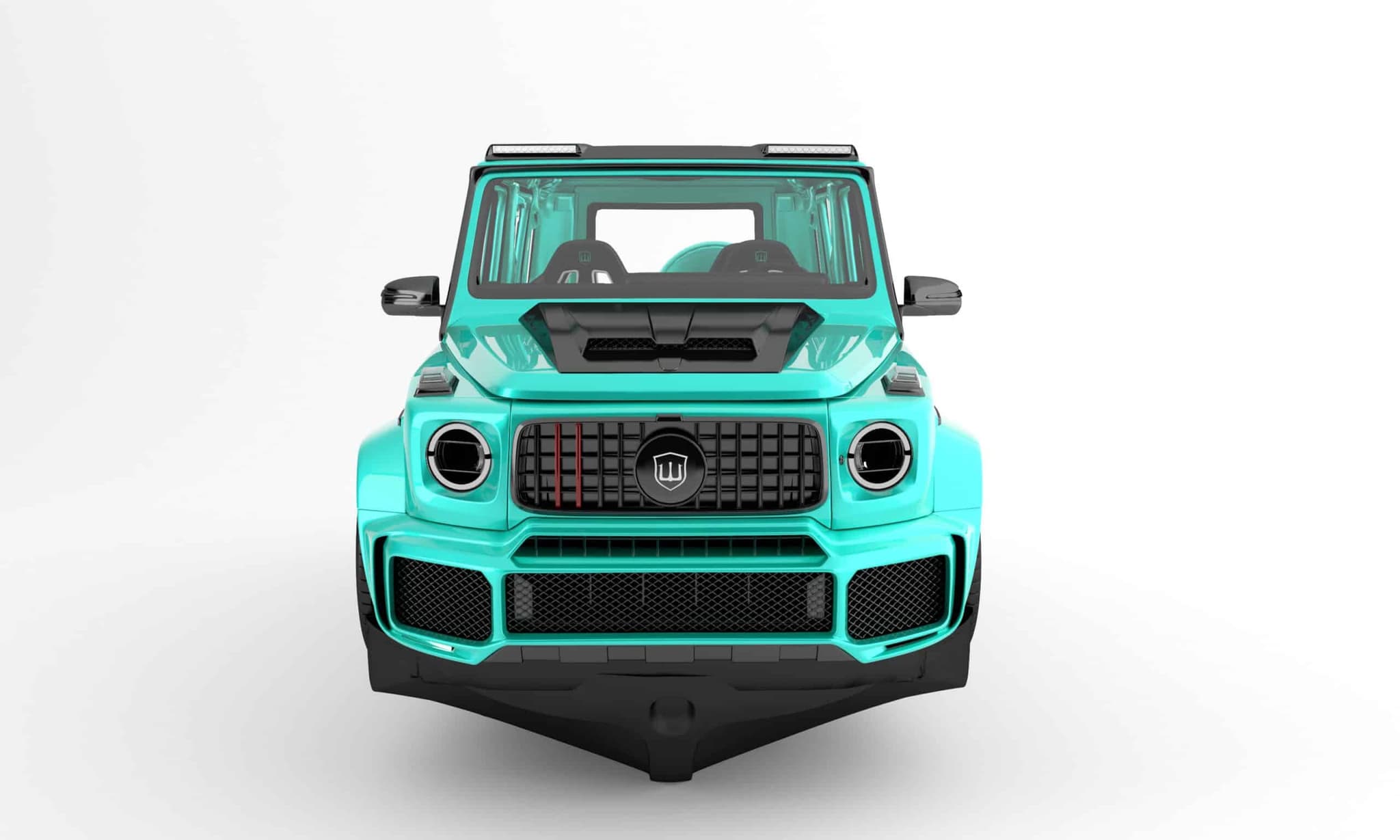 $98,000
WBC Model MG
The definitive off-road legend now commands the open sea. Engineered for performance, designed for presence, and crafted to carry up to six in uncompromising luxury.
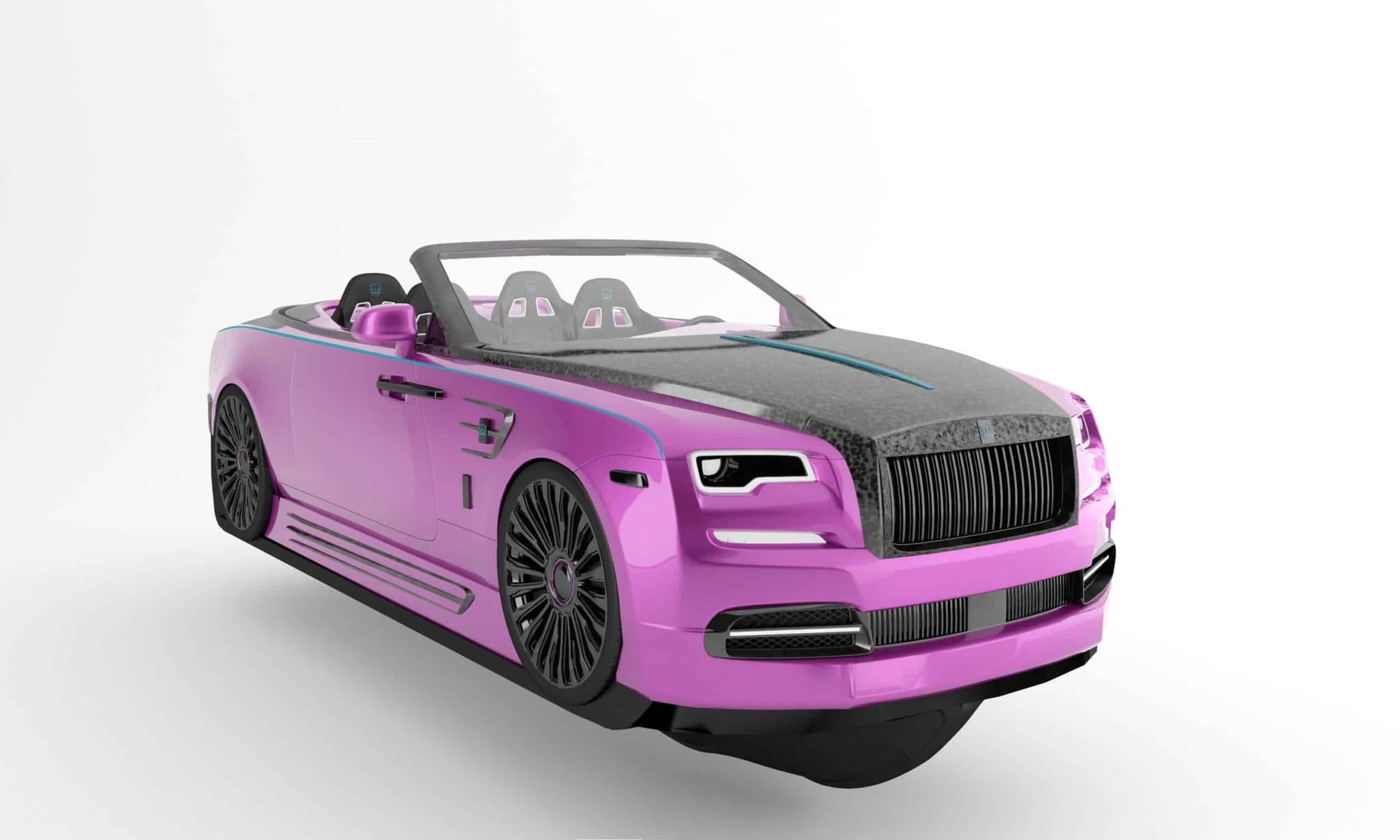 $84,000
WBC Model RR
Crafted for those who refuse to arrive unnoticed. A presence worthy of royalty. A statement beyond status.
 $82,000
WBC Model LA
The pinnacle of super sports performance — now reborn on water. Where Italian passion fuels pure speed.
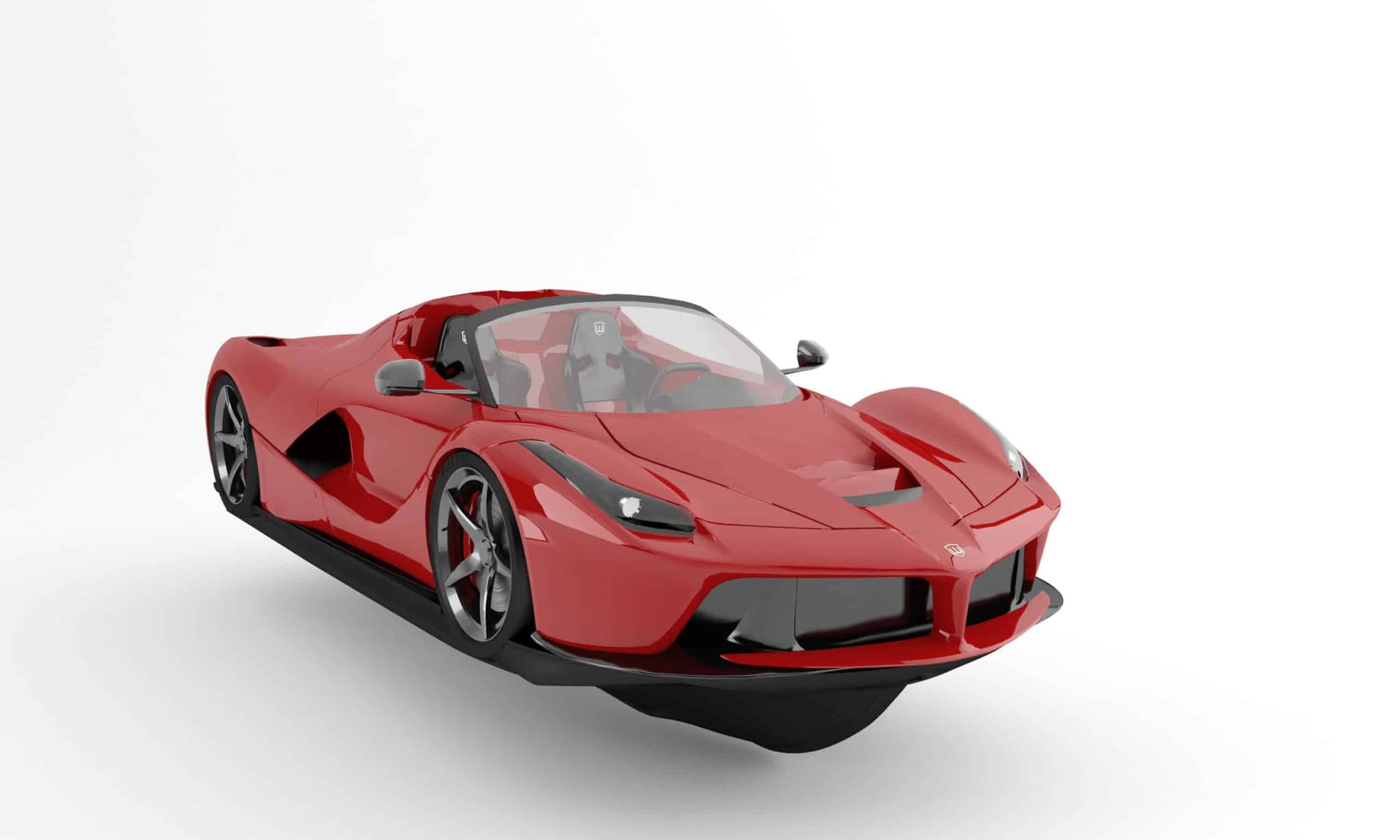 $82,000
WBC Model FLF
Unmatched speed. Now unleashed on water. Driven by Italian passion, engineered for pure performance.
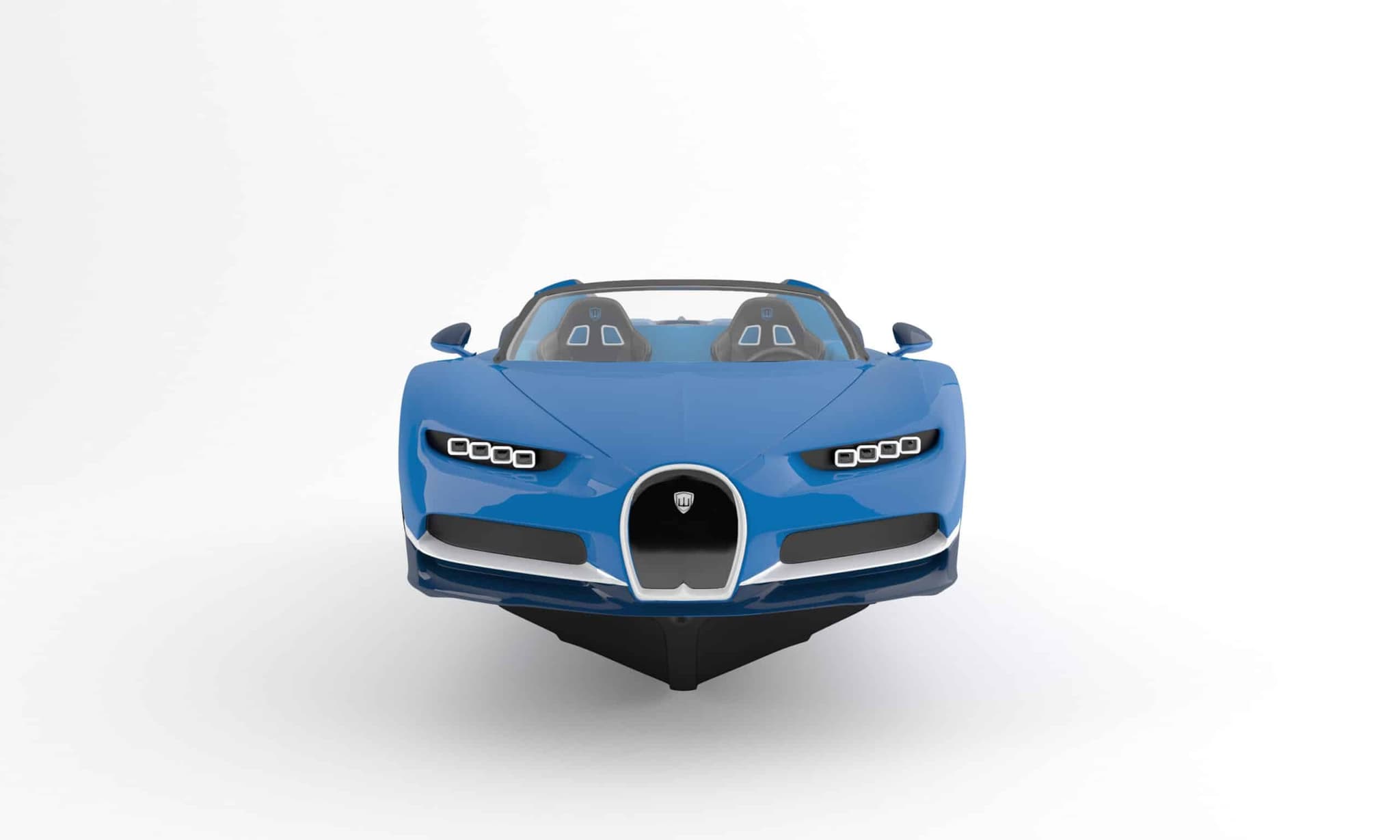 $90,000
WBC Model B
The ultimate expression of performance. When only the absolute best will do, this machine delivers beyond limits.
Keep reading
Related guides that answer the next questions most buyers ask.
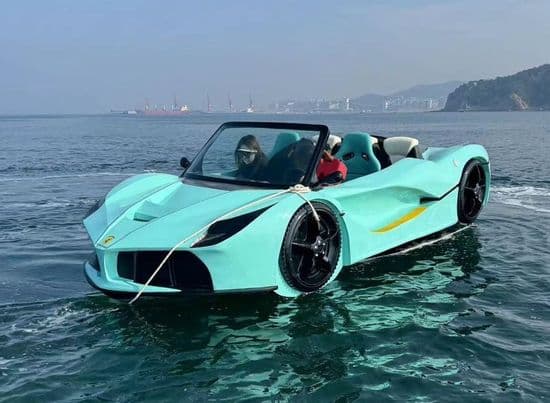
Are Jet Cars Street Legal? | WaterBoatCar
Understand jetcar classification, waterway rules, registration, licensing, and ownership requirements before your first outing.
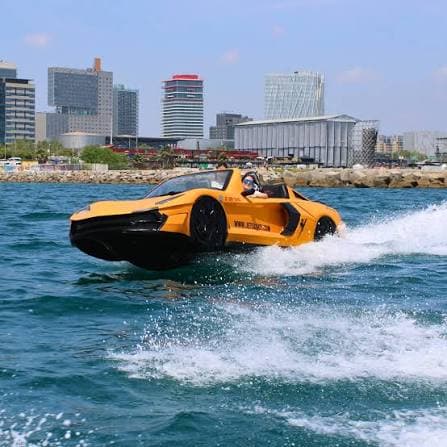
Can You Drive a Jet Car on Roads? | WaterBoatCar
WaterBoatCar jetcars are built exclusively for water — learn why they cannot be driven on roads and how to transport one safely by trailer.
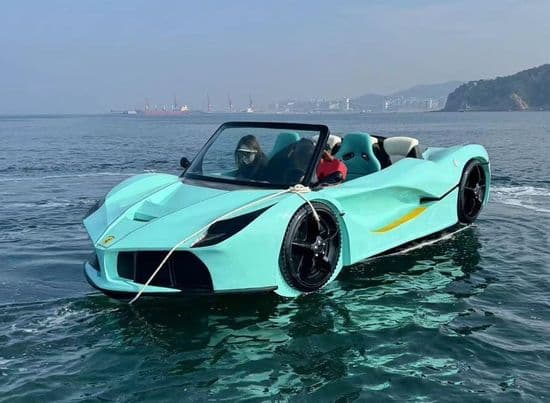
What's the Difference Between a Jet Car and a Regular Car?
A WaterBoatCar jetcar looks like a supercar but functions as a watercraft — here's exactly how it differs from a real car.
Ready to configure your jetcar?
Choose your model, colours, interior and branding, then submit your build for a confirmed quote and production timeline.