What's the Difference Between a Jet Car and a Regular Car?
A WaterBoatCar jetcar looks like a supercar but functions as a watercraft — here's exactly how it differs from a real car.
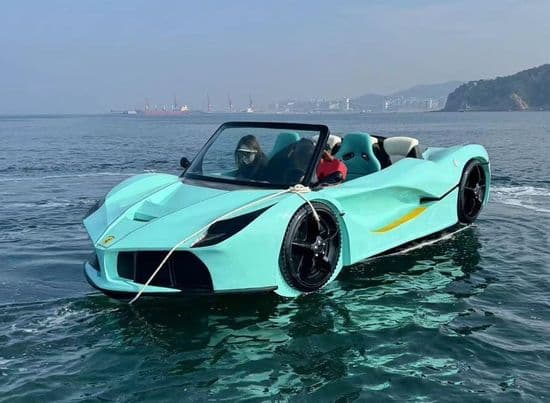
The difference between a jet car and a regular car is fundamental: a WaterBoatCar jetcar looks like a supercar but functions entirely as a watercraft, built for water rather than roads. It's a fair question, and honestly one of the most important things a prospective buyer should fully understand before purchasing — because while the styling draws directly on the Bugatti, Ferrari, Lamborghini, Rolls-Royce, and Mercedes G-Class, everything mechanical underneath is a different category of machine.
The core distinction
The most important thing to understand is this: a WaterBoatCar jetcar is a watercraft styled to resemble a supercar, not a car that happens to also float. The visual design draws directly on iconic vehicles — the Bugatti Chiron, Ferrari, Lamborghini, Rolls-Royce, and Mercedes G-Class — with bold body lines, an aggressive stance, and premium interior finishing that echoes the automotive inspiration. But every mechanical system underneath is built entirely for water, not pavement. If you want the foundational framing of the category itself, our guide on what a jet car actually is is the right place to start.
Jet car vs. regular car at a glance
Before getting into each system, here's the whole picture in one view. Every row underlines the same theme: shared looks, completely different machines.
| System | Regular car | WaterBoatCar jetcar |
|---|---|---|
| Environment | Roads | Water |
| Propulsion | Engine → transmission → wheels | Marine jet drive → steerable nozzle |
| Stopping | Friction brakes | Water drag + reverse thrust |
| Suspension | Springs/dampers for tire contact | Planing hull, no suspension |
| Steering | Turning wheels | Redirecting jet thrust |
| Legal class | Motor vehicle | Personal watercraft |
| Credential | Driver's license | Boater license/certificate |
| Maintenance | Automotive schedule | Marine servicing |
Drivetrain and propulsion
A regular car uses a combustion or electric drivetrain that transfers power to wheels gripping pavement — engine, transmission, differential, all working to rotate tires against a solid road surface. A WaterBoatCar jetcar instead uses a marine jet propulsion engine, the same broad category used in high-performance jet skis, which draws water in through a hull intake and forces it out through a steerable rear nozzle to generate thrust. There's no transmission in the automotive sense, no wheels contacting a driving surface, and no differential — the entire propulsion architecture is fundamentally different. It also means the thrust is delivered directly and instantly, without the losses and lag of a mechanical drivetrain, which is a big part of why the acceleration feels so immediate. And because the jet drive has no exposed propeller beneath the hull, it can operate confidently in shallow water and around swimmers in a way a propeller-driven boat cannot — a genuine practical and safety advantage covered in our guide on how safe jet cars are.
Stopping and control
As covered in our dedicated guide on whether jet cars have brakes, a jetcar has no traditional brakes — no brake pads, rotors, or friction-based stopping system. Instead, it relies on water resistance and reverse jet thrust to slow down and stop, a completely different physical principle than a car's braking system. It's one of the most striking day-to-day differences a new owner notices. In a car, you press a pedal and friction hauls you to a firm stop in a predictable distance. On the water there is no equivalent hard stop — the vessel glides as momentum and water drag bleed off speed, and reverse thrust can shorten that considerably, but the fundamental lesson is to anticipate. Experienced operators read the water ahead, ease off early, and use thrust deliberately, which quickly becomes second nature but is genuinely different from the reflexive braking a driver relies on. This single difference reshapes how you approach docks, other vessels, and tight spaces, and it is the main reason we encourage new owners to practice stopping and slow-speed maneuvering in open water before anything crowded.
Required equipment and legal classification
A road-legal car requires specific equipment mandated by federal and state vehicle safety standards: DOT-approved headlights and taillights, mirrors, seatbelts and airbags, bumpers meeting impact standards, and emissions controls, among many other requirements — plus a vehicle title, license plate, and driver's license to operate. A WaterBoatCar jetcar requires none of that, because it isn't a road vehicle. Instead, it's classified and titled as a personal watercraft, requiring vessel registration and, depending on your location, a boater safety certification — an entirely different regulatory framework, covered in more detail in our guide on whether jet cars are street legal in your state.
Suspension, hull, and handling
A car's suspension is tuned to absorb bumps and maintain tire contact with pavement through corners. A jetcar has no suspension in that sense at all — instead, its hull shape is engineered to plane efficiently across water at speed and maintain stability through turns, a naval architecture problem rather than an automotive engineering one. Handling characteristics are also fundamentally different: steering on a jetcar comes from redirecting jet thrust rather than turning wheels, and there's no direct equivalent to cornering grip the way a car's tires provide it. This has a practical consequence worth understanding — steering authority depends on thrust, so a jetcar responds to the helm most decisively when the drive is pushing water, and far less so at idle or when coasting. Operators quickly learn to carry a little power through turns for crisp, predictable response, which is one of the small but important habits that separates confident water handling from road-driving instincts. The hull's planing behavior also means the ride firms up and settles as speed builds, rather than being smoothed by springs and dampers as in a car.
Fuel, energy and running costs
A regular car is fueled at a gas station or charged at a plug, and its running costs revolve around fuel economy, tires, and a well-understood service schedule measured in miles. A jetcar is fueled like a boat and its running costs revolve around marine fuel consumption measured by hours on the water, plus the servicing that any marine engine needs to stay reliable in a wet, high-vibration environment. The mental model is different: you stop thinking in miles per gallon and start thinking in hours of enjoyment per outing. Neither is inherently more expensive across the board, but they are budgeted differently, and a first-time owner coming from cars should expect to plan around engine hours, seasonal readiness, and rinse-and-store routines rather than oil-change intervals. Our maintenance cost guide breaks down what to expect.
The ownership experience, day to day
Perhaps the biggest practical difference is how the two fit into your life. A car lives in a garage or driveway and is ready the instant you turn the key. A jetcar lives at a marina, on a lift, or on a trailer, and getting on the water involves launching and recovering, checking conditions, and following waterway rules. That is not a drawback so much as a different rhythm — one that many owners come to love, because a day with a jetcar is an event rather than an errand. Storage decisions also differ completely, which is why we cover where to keep your jet car as its own topic. If you run in coastal water, salt management becomes part of the routine too, as explained in can jet cars go in salt water.
Learning to operate one
A capable driver is not automatically a capable jetcar operator, and that is worth saying plainly. Because there are no wheels gripping a fixed surface, a jetcar behaves differently in the moments that matter most — it keeps gliding when you back off the throttle, it turns by redirecting thrust rather than pivoting on tires, and wind and current push it around at low speed in ways a car never experiences. None of this is difficult to learn, but it is a genuinely new skill set built on boating fundamentals rather than driving ones. Most owners find the learning curve short and enjoyable, and the payoff is a vessel that feels intuitive and connected once the basics click.
Who a jetcar is actually for
Understanding the difference also clarifies who a jetcar suits. It is not a substitute for a car and never tries to be. It is for someone who already wants time on the water — or wants a reason to spend more of it there — and who is drawn to the idea of doing so in a vessel with genuine supercar presence rather than a conventional boat. Buyers frequently already own the cars that inspire the styling and see the jetcar as the water-going companion to that collection: the same design language, a completely different arena. If that description fits, the differences from a regular car stop being caveats and start being the entire point.
Pros and cons of a jetcar versus a regular car
These are different tools for different jobs, but it helps to name the trade-offs directly.
Pros of a jetcar
- Delivers a genuinely unique experience no road car can match.
- No exposed propeller and no emissions testing or road inspections.
- Supercar presence and craftsmanship in a watercraft.
- Simpler credentials: a boater certificate rather than road licensing.
Cons / things to understand
- It cannot be driven on roads — it's water-only.
- Maintenance and storage follow marine, not automotive, practices.
- Handling and stopping require learning a new skill set.
- Seasonal use may apply depending on your climate and location.
Insurance, registration and paperwork
The paperwork trail is another place the two diverge entirely. A car is titled as a motor vehicle, carries a license plate, and is insured under an auto policy tied to drivers and road risk. A jetcar is titled and registered as a personal watercraft, and it is insured under a marine or watercraft policy that considers on-water risks, storage, and usage rather than road accidents. For a buyer used to the car world, the good news is that the marine process is generally straightforward and well established — you register the vessel, arrange watercraft insurance, and hold whatever boater credential your area requires. It is different, not harder, and it removes some road-world burdens entirely: no emissions testing, no roadworthiness inspections, and no license plate renewals.
A real buyer perspective
One owner we worked with put it neatly. He arrived expecting a jetcar to be "a car that also works on water," and left understanding it as "a boat that finally looks as good as my cars." That reframing is the whole point. Once he stopped comparing it to his sports cars on the road and started comparing it to the boats at his marina, everything clicked — the handling, the storage, the credentials, and the running costs all made sense as marine realities, and the supercar styling became a bonus rather than a source of confusion. Buyers who make that mental shift early tend to enjoy ownership most.
Where the automotive inspiration actually shows up
None of this means the car-inspired design is superficial or meaningless — the styling genuinely carries through into the passenger experience. Interior finishing on models like the Bugatti-inspired Model B intentionally echoes the cockpit philosophy of high-performance automotive engineering: premium materials, precision stitching, an ergonomic, driver-focused seating and control layout. It's a deliberate design choice to bring the feel of supercar craftsmanship into a genuinely different kind of vehicle, rather than an attempt to functionally replicate a car on water.
Final thoughts
Think of a WaterBoatCar jetcar as supercar design language translated into genuine, fully-functional marine engineering — visually inspired by the cars that inform its name, but mechanically, legally, and functionally a real watercraft from the ground up. Explore the models below to see that philosophy in the metal, and keep reading for the full breakdown of the category, stopping, and registration.
The clearest sign that this distinction has clicked for a prospective buyer is the moment they stop asking "but can it go on roads?" and start asking "which model suits how I actually use the water?" That is the right question, and it is the one our team is best equipped to help you answer.
Frequently Asked Questions
Can a WaterBoatCar jetcar be driven on both roads and water, like a true amphibious vehicle?
No — it's built exclusively for water. See our dedicated article on this for a full explanation of why.
Does the automotive-inspired design affect performance in the water at all?
The hull design is optimized for water performance first; the exterior styling reflects the automotive inspiration without compromising the underlying marine engineering.
Is maintaining a jetcar similar to maintaining a car?
No — maintenance follows marine watercraft standards (engine servicing, jet intake care, hull maintenance) rather than automotive maintenance schedules; see our maintenance cost guide for specifics.
Do I need a driver's license to operate one?
No — you need whatever boating license or certification your jurisdiction requires for personal watercraft, not a driver's license.
Why style a boat like a car at all instead of a traditional boat design?
It's a design philosophy choice — bringing the drama, craftsmanship, and visual excitement of iconic supercars into the personal watercraft category, for buyers who want their vessel to be as striking to look at as it is to ride.
Explore the models
Every WaterBoatCar jetcar is hand-finished to order. Tap a model to see specifications, gallery and pricing.
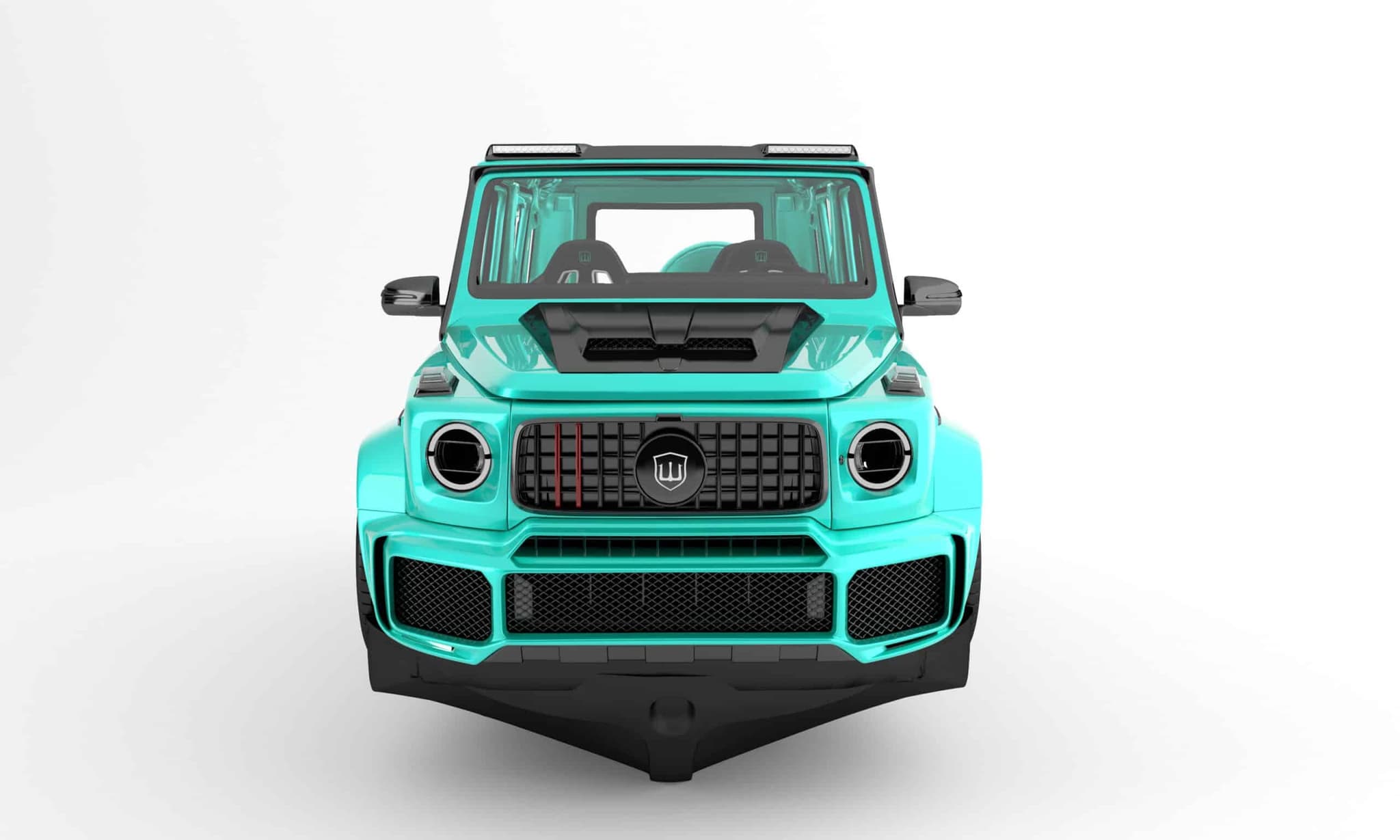 $98,000
WBC Model MG
The definitive off-road legend now commands the open sea. Engineered for performance, designed for presence, and crafted to carry up to six in uncompromising luxury.
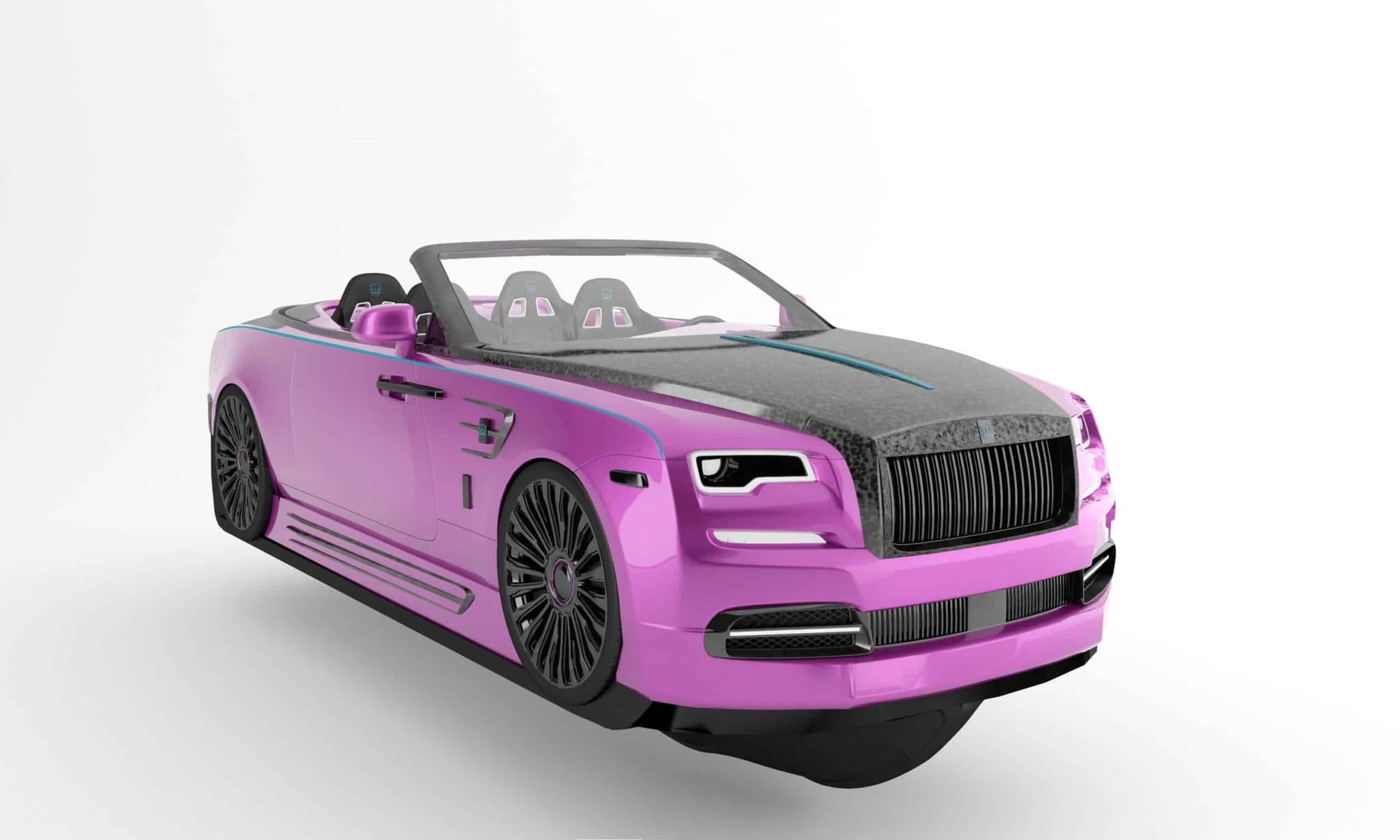 $84,000
WBC Model RR
Crafted for those who refuse to arrive unnoticed. A presence worthy of royalty. A statement beyond status.
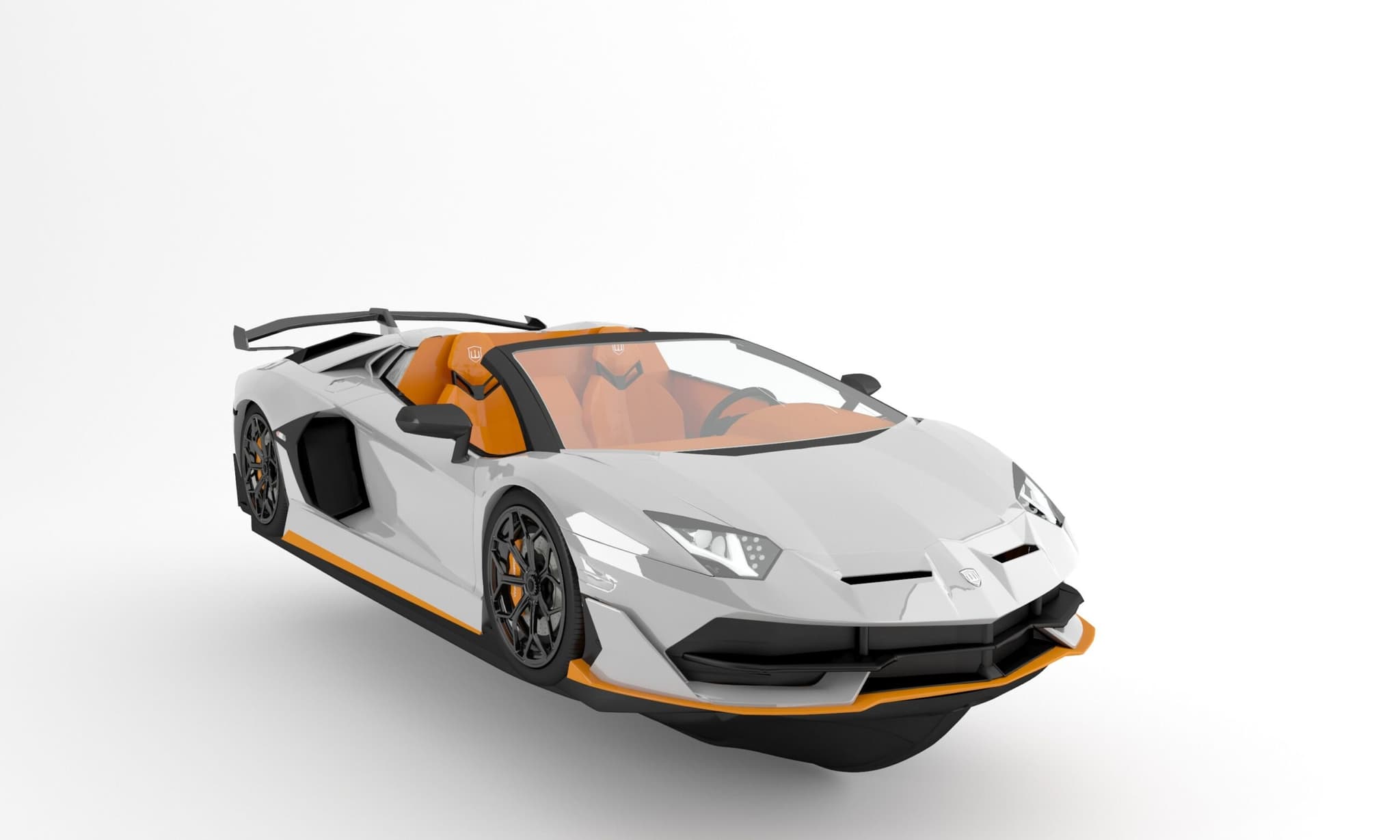 $82,000
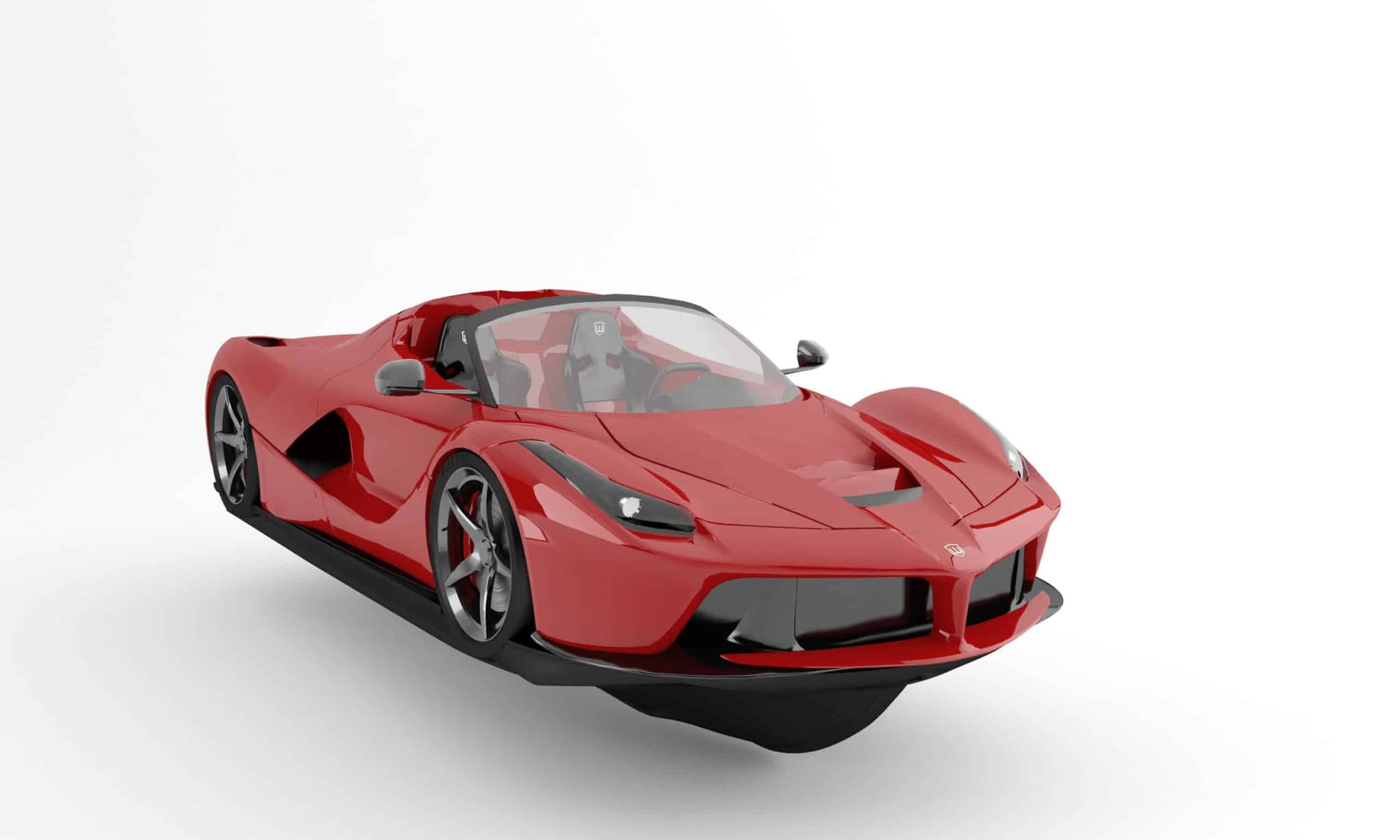
WBC Model LA
The pinnacle of super sports performance — now reborn on water. Where Italian passion fuels pure speed.
 $82,000
WBC Model FLF
Unmatched speed. Now unleashed on water. Driven by Italian passion, engineered for pure performance.
 $90,000
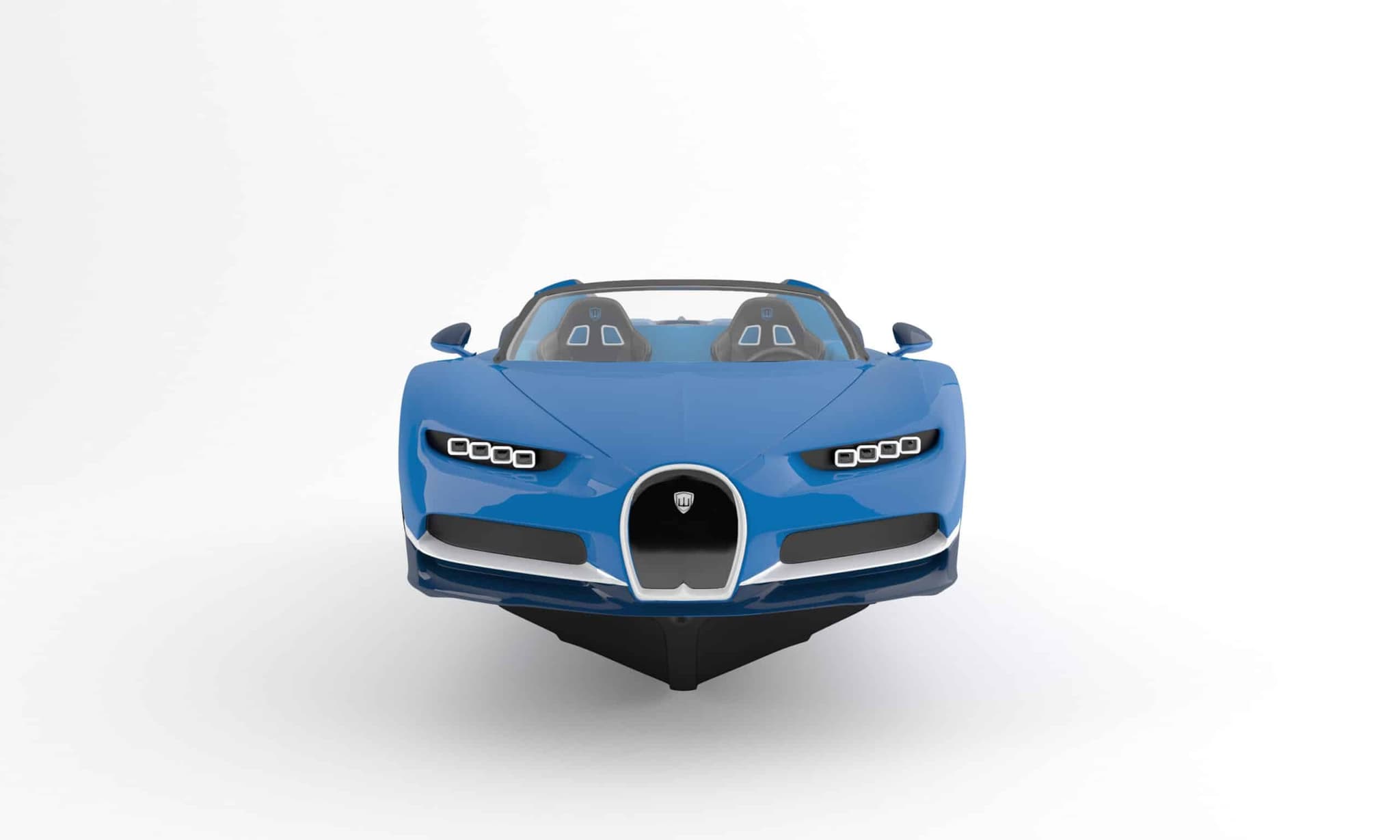
WBC Model B
The ultimate expression of performance. When only the absolute best will do, this machine delivers beyond limits.
Keep reading
Related guides that answer the next questions most buyers ask.
What Is a Jet Car? | WaterBoatCar
Learn what a jetcar is, how marine jet propulsion works, and why WaterBoatCar combines watercraft performance with supercar-inspired design.
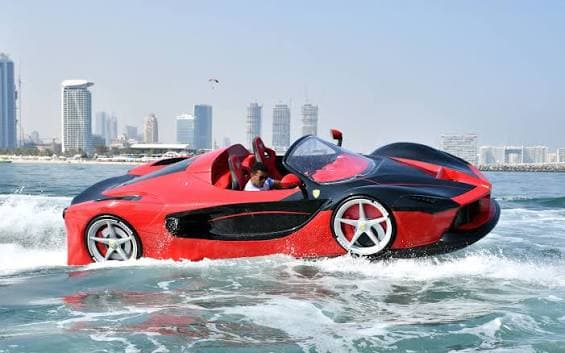
Do Jet Cars Have Brakes? How Stopping Works on Water
WaterBoatCar jetcars don't use traditional brakes — here's how jet-propelled watercraft actually slow down and stop on the water.
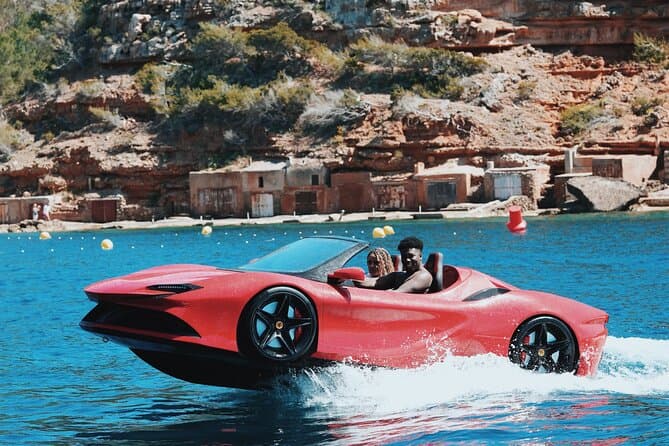
Are Jet Cars Legal in My State? | WaterBoatCar
WaterBoatCar jetcars are watercraft, not road vehicles — here's what that means for registration, licensing, and where you can legally operate one.
Ready to configure your jetcar?
Choose your model, colours, interior and branding, then submit your build for a confirmed quote and production timeline.