What Is a Jet Car? | WaterBoatCar
Learn what a jetcar is, how marine jet propulsion works, and why WaterBoatCar combines watercraft performance with supercar-inspired design.
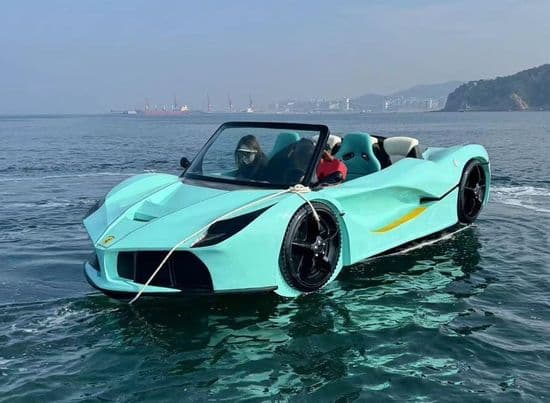
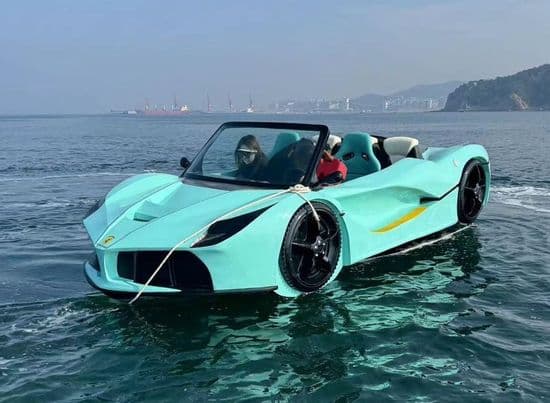
A jet car, in the WaterBoatCar sense, is a personal watercraft that combines high-output marine jet propulsion with bodywork directly inspired by iconic supercar designs. It is not a car that works on water, not an amphibious vehicle, and not a jet ski. It is its own category: a genuine, high-performance marine vessel that happens to look like a Bugatti, Ferrari, Lamborghini, Rolls-Royce, or Mercedes G-Class.
The core concept, precisely defined
A WaterBoatCar jetcar is best understood as the intersection of three distinct ideas:
- Marine jet propulsion — the same fundamental technology used in premium personal watercraft and jet boats, delivering immediate thrust without an exposed propeller
- Supercar design language — bodywork and interior inspired directly by some of the world's most iconic automotive designs, applied to a marine hull
- Premium craftsmanship — hand-finished production to a standard that brings the feel of a luxury automotive interior to the water
What makes WaterBoatCar models unusual — genuinely unusual, not marketing-unusual — is that all three exist in the same product. The design is not a cosmetic wrap on a generic vessel. The engineering is not an afterthought serving the styling. Both are pursued together, which is why these vessels turn heads in any marina in the world.
What a WaterBoatCar jetcar actually is, mechanically
Underneath the supercar-inspired exterior, a WaterBoatCar jetcar is a fully engineered marine vessel:
- Hull: A purpose-designed planing hull engineered for stability and performance at speed, shaped around the supercar-inspired bodywork
- Propulsion: A high-output marine jet propulsion engine in the 200–300 horsepower range, drawing water through a hull intake and expelling it through a steerable nozzle — no exposed propeller
- Steering: Nozzle-directed thrust that provides immediate, responsive directional control
- Braking: Reverse jet thrust combined with water drag — no friction brakes, as covered in detail in our brakes guide
- Interior: Hand-finished seating, premium upholstery, and ergonomic layouts informed by automotive design
- Capacity: 2–4 passengers on the open-deck models, 4–6 on the Rolls-Royce-inspired Model RR and the enclosed-cabin Mercedes G-Class-inspired Model MG
Our how jet cars work guide covers the propulsion mechanism in full detail for those who want to understand the engineering before buying.
What a WaterBoatCar jetcar is not
Because the name causes confusion, it is worth being direct about what these vessels are not:
Not a road vehicle. A WaterBoatCar jetcar has no wheels connected to a drivetrain, no road-legal safety equipment, and no means of propulsion on land. It is transported to and from the water on a trailer — exactly like any boat. It never touches a public road under its own power.
Not amphibious. True amphibious vehicles — machines that transition between road and water — are a different engineering category produced by different manufacturers. WaterBoatCar models are exclusively marine vessels.
Not a jet car drag racer. Thrust-powered land vehicles that race on drag strips share the "jet car" name in common parlance but are completely unrelated to WaterBoatCar products. This confusion comes from the shared name; the machines themselves have nothing in common.
Not just a styled jet ski. A jet ski is a compact, straddle-seated personal watercraft designed for agility. A WaterBoatCar is a much larger, properly seated vessel with supercar bodywork, a premium interior, up to 4–6 passenger capacity, and a design identity without parallel in the recreational marine market.
The five current WaterBoatCar models
| Model | Design inspiration | Passengers | Starting price |
|---|---|---|---|
| Model FLF | Ferrari | 2–4 | $82,000 |
| Model LA | Lamborghini | 2–4 | $82,000 |
| Model RR | Rolls-Royce | 4–6 | $84,000 |
| Model B | Bugatti Chiron | 2–4 | $90,000 |
| Model MG | Mercedes G-Class (enclosed cabin) | 4–6 | $98,000 |
Each model is fully configurable — six exterior colour options, interior finish selection, rim style, and optional custom branding — at the starting price, with no meaningful personalisation held back as a paid extra.
Where the design inspiration comes from — and why it works
The automotive design languages chosen for WaterBoatCar models are not arbitrary. Ferrari, Lamborghini, Rolls-Royce, Bugatti, and Mercedes-Benz are among the most visually recognisable and emotionally resonant brands in the world. Their design vocabularies — the Ferrari rooflines, the Bugatti horseshoe grille, the Rolls-Royce commanding presence, the Lamborghini body creases, the G-Class boxy authority — communicate speed, luxury, and aspiration in a way that is immediately understood.
Applied to a marine hull, these design languages translate surprisingly naturally. A Ferrari-inspired vessel at full throttle on blue water is visually extraordinary in a way that no conventional boat design can replicate. The automotive styling reads powerfully in the marine environment — which, on reflection, makes sense: boats and supercars share the same basic visual language of streamlined surfaces, muscular stance, and speed-expressing form.
How the legal classification works
Because WaterBoatCar jetcars are exclusively marine vessels, the legal framework is watercraft law, not road vehicle law. This means:
- Vessel registration through your state or country's marine authority (not the DMV)
- Boater safety certification, where required by your jurisdiction
- Marine insurance (not auto insurance)
- No driver's license required — only whatever boating credential your area mandates
Our guides on whether jet cars are street legal and legal ownership cover this in detail. The short version: owning and operating a WaterBoatCar jetcar is completely legal, and the process is straightforward — it just follows the marine pathway rather than the automotive one.
Who a WaterBoatCar jetcar is for
WaterBoatCar buyers are typically people who share a few key characteristics:
- A genuine appreciation for distinctive, extraordinary design — not in a casual way, but in the same way a car enthusiast responds to an exceptional automobile
- A desire to spend meaningful time on the water — either as an existing boater adding something unique, or as someone drawn specifically to this category of experience
- The means to own at the $82,000–$98,000 purchase price plus ongoing operating costs
- An appreciation for craftsmanship and personalisation — the configurator experience is part of what makes the purchase distinct
It is not for everyone. The pricing is significant, the experience is unusual, and the appeal requires understanding what is being offered. But for the buyers it is designed for, there is simply nothing else like it — and that, ultimately, is the point.
Pros and cons of the WaterBoatCar jetcar category
Pros
- No equivalent anywhere in any marina in the world — genuine visual uniqueness
- Fully functional high-performance marine engineering, not decorative
- Full configurator personalisation included at the starting price
- Jet propulsion with no exposed propeller is inherently safer around swimmers and in shallow water
- Five models spanning a range of design philosophies and passenger capacities
Cons / things to understand
- Water-only operation — never road-capable; trailer transport required
- Significant starting price ($82,000–$98,000) plus ongoing operating costs
- Handling is marine, not automotive — requires familiarisation
- Built to order with a production timeline, not available for instant delivery
Final thoughts
A WaterBoatCar jetcar is a personal watercraft styled after an iconic supercar, powered by high-output marine jet propulsion, and built to order with full personalisation from the first configuration. It operates exclusively on water, is registered as a marine vessel, and delivers an experience — in design, performance, and social impact — that has no equivalent in any marina anywhere in the world. Explore the full lineup below, and read our difference between jet cars and regular cars guide for a detailed comparison if you are coming from an automotive background.
Frequently Asked Questions
What is a jet car?
A jet car, in the WaterBoatCar sense, is a personal watercraft that combines high-output marine jet propulsion with bodywork styled after iconic supercars. It operates exclusively on water — never on roads — and is registered and licensed as a personal watercraft, not as a road vehicle.
Is a WaterBoatCar jet car a real working watercraft or just a design piece?
It is a fully functional high-performance watercraft. The 200–300 horsepower marine jet propulsion system, the engineered hull, and the safety equipment are all genuine marine engineering — the supercar design is applied to a vessel that genuinely performs.
Does a jet car actually drive on both water and roads?
No — a WaterBoatCar jetcar operates exclusively on water. It is not an amphibious vehicle. It is transported to and from the water on a trailer, like any boat, and operates entirely in the marine environment.
How is a jet car different from a jet ski?
A jet ski is a compact, straddle-seated personal watercraft designed for agility. A WaterBoatCar jetcar is a larger, seated vessel with supercar-inspired design, premium interior craftsmanship, and capacity for 2–6 passengers depending on the model — a fundamentally different category of experience.
Why style a watercraft like a supercar?
It is a design philosophy: bringing the visual drama, craftsmanship, and emotional impact of iconic automotive design into the personal watercraft category. There is no other vessel in the world that looks like a Bugatti Chiron or a Ferrari on the water — and that is entirely the point.
Is a WaterBoatCar the same as a jet car drag racer?
No — a jet car drag racer is a land-based, thrust-powered race vehicle that competes on tracks. A WaterBoatCar jetcar is an entirely different machine: a marine vessel built for recreational use on the water, inspired by supercar design but operating exclusively in the water environment.
Explore the models
Every WaterBoatCar jetcar is hand-finished to order. Tap a model to see specifications, gallery and pricing.
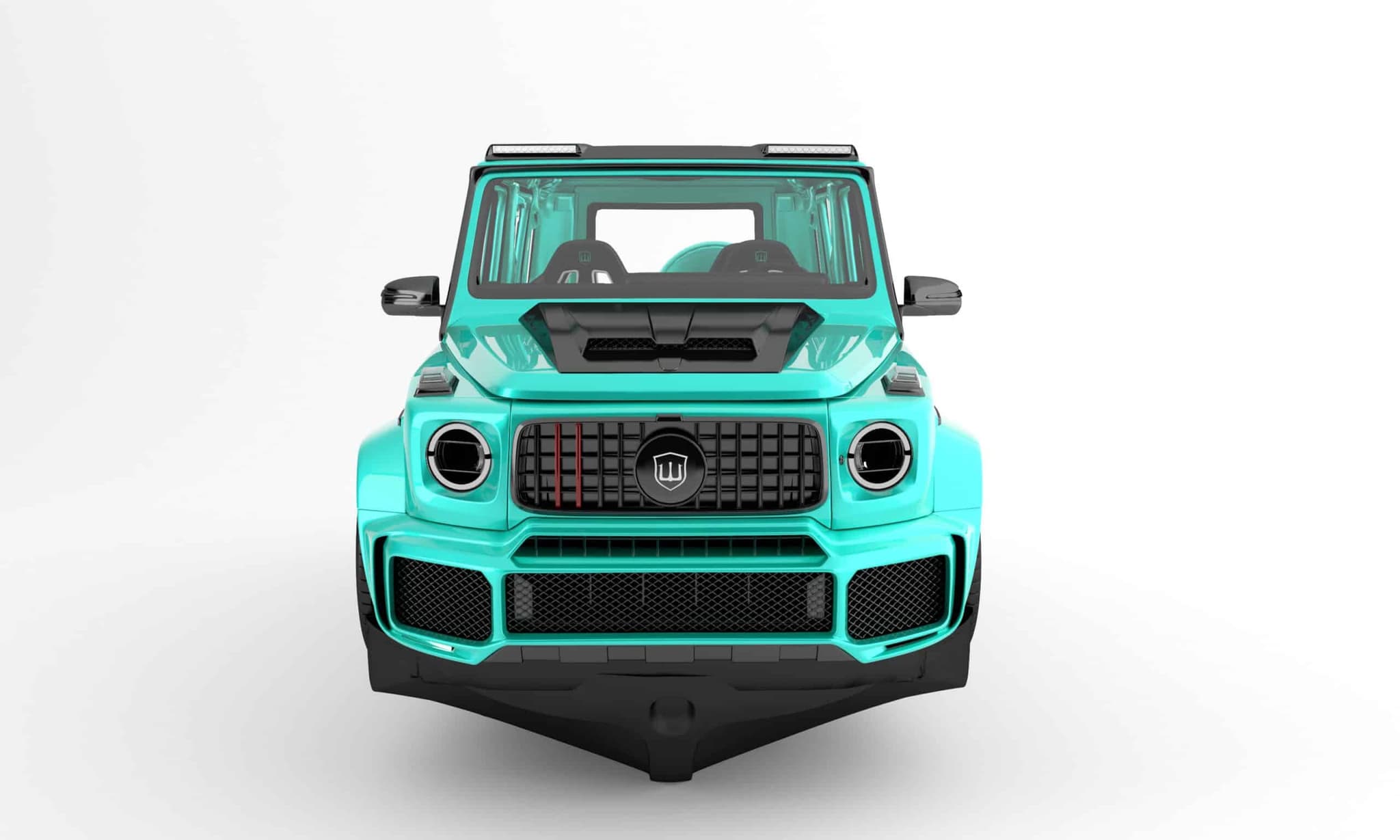 $98,000
WBC Model MG
The definitive off-road legend now commands the open sea. Engineered for performance, designed for presence, and crafted to carry up to six in uncompromising luxury.
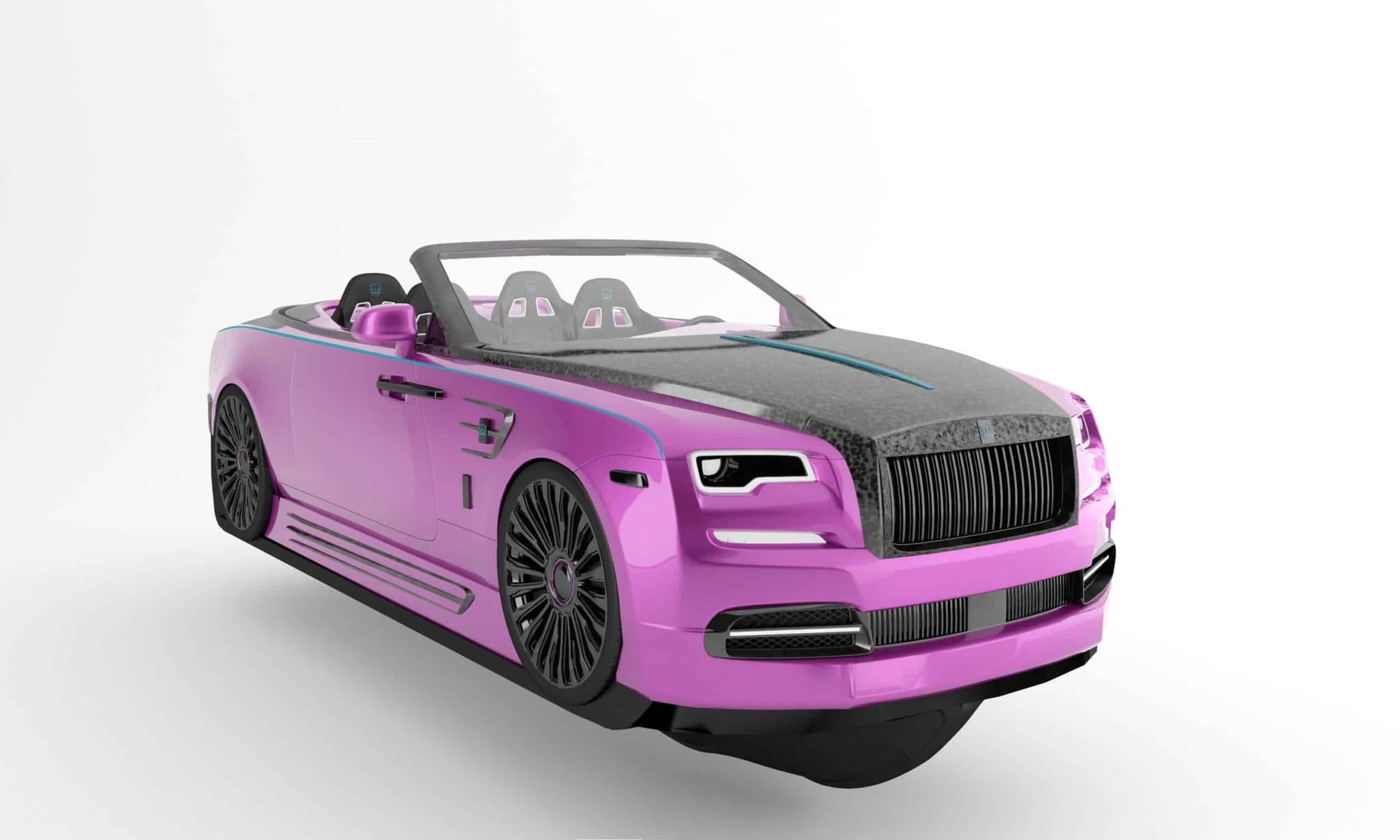 $84,000
WBC Model RR
Crafted for those who refuse to arrive unnoticed. A presence worthy of royalty. A statement beyond status.
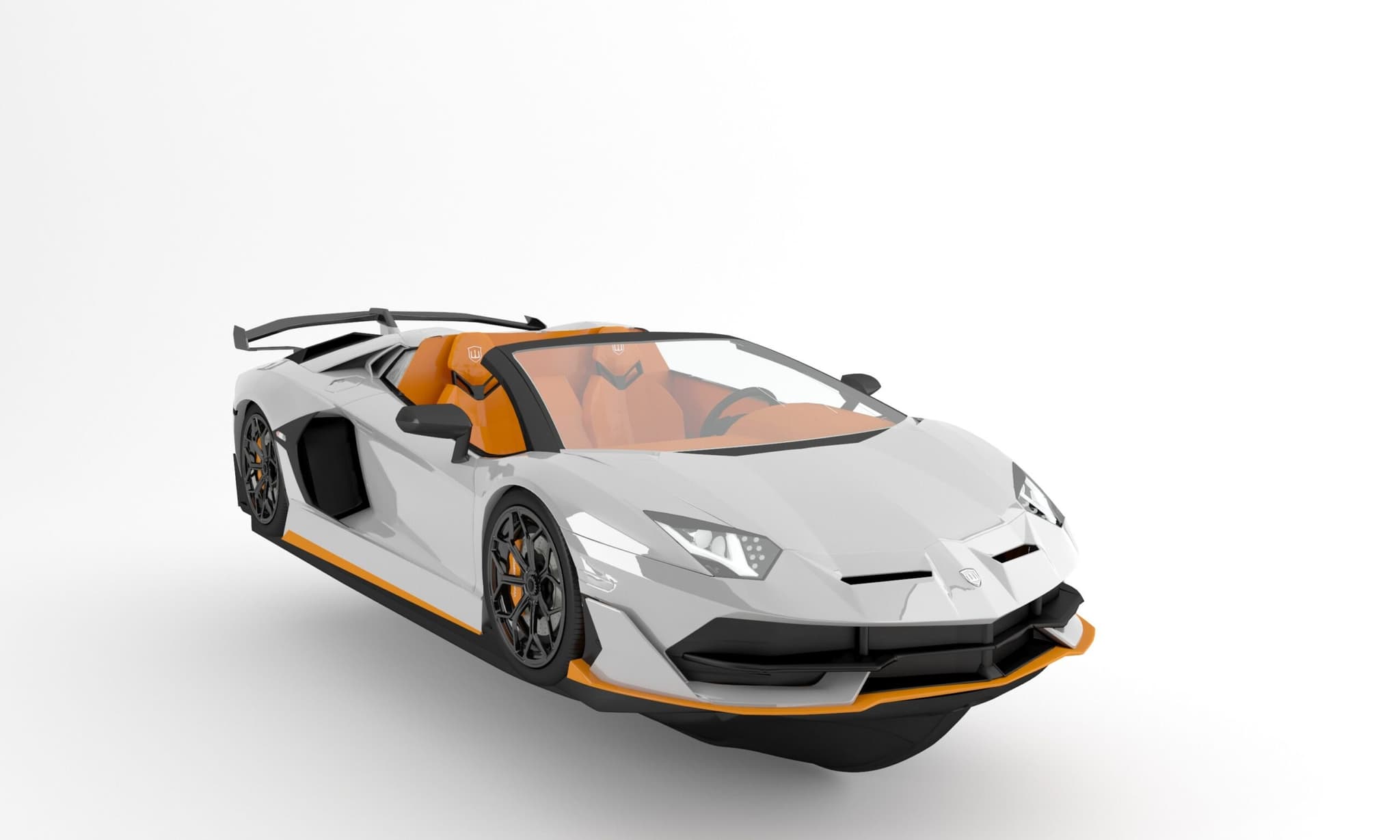 $82,000
WBC Model LA
The pinnacle of super sports performance — now reborn on water. Where Italian passion fuels pure speed.
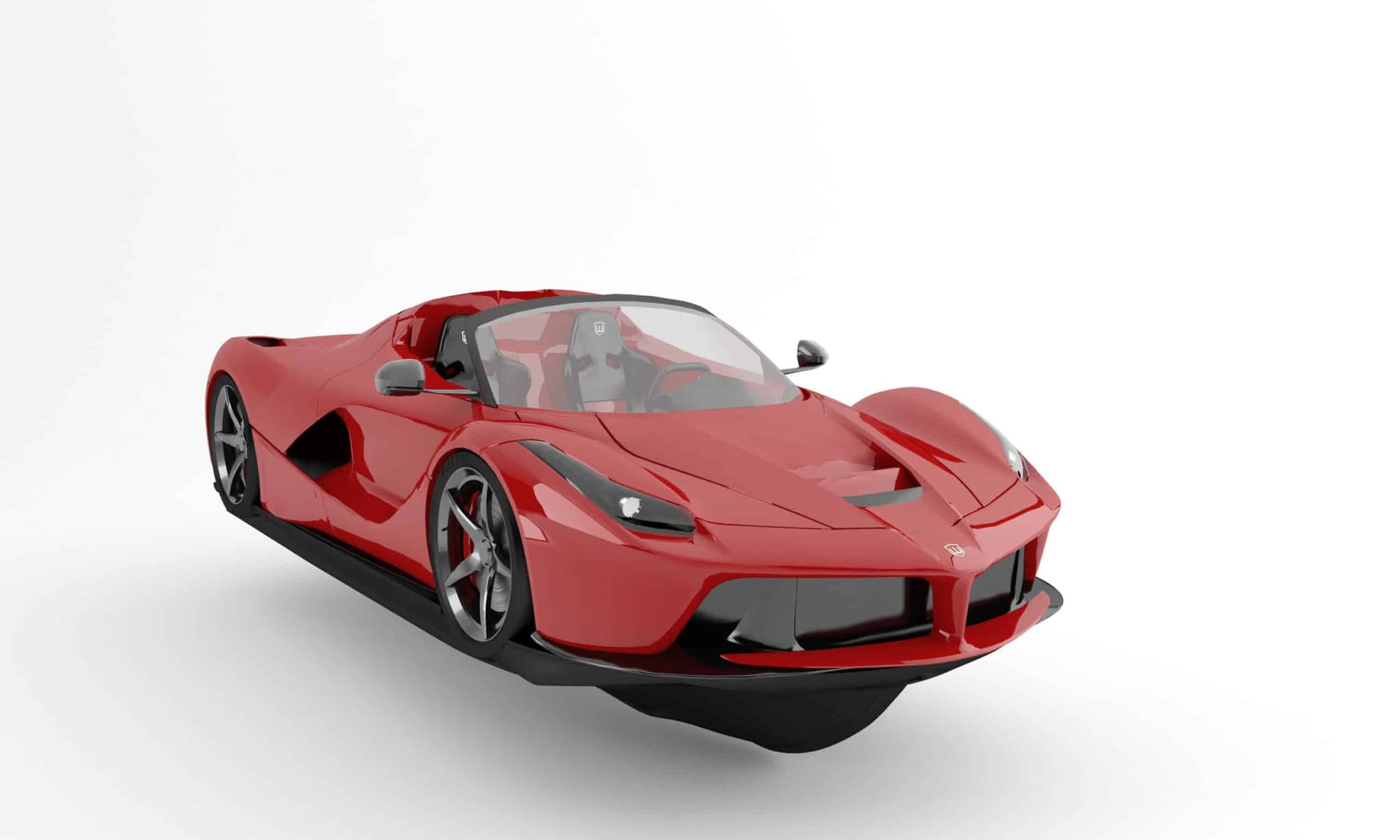 $82,000
WBC Model FLF
Unmatched speed. Now unleashed on water. Driven by Italian passion, engineered for pure performance.
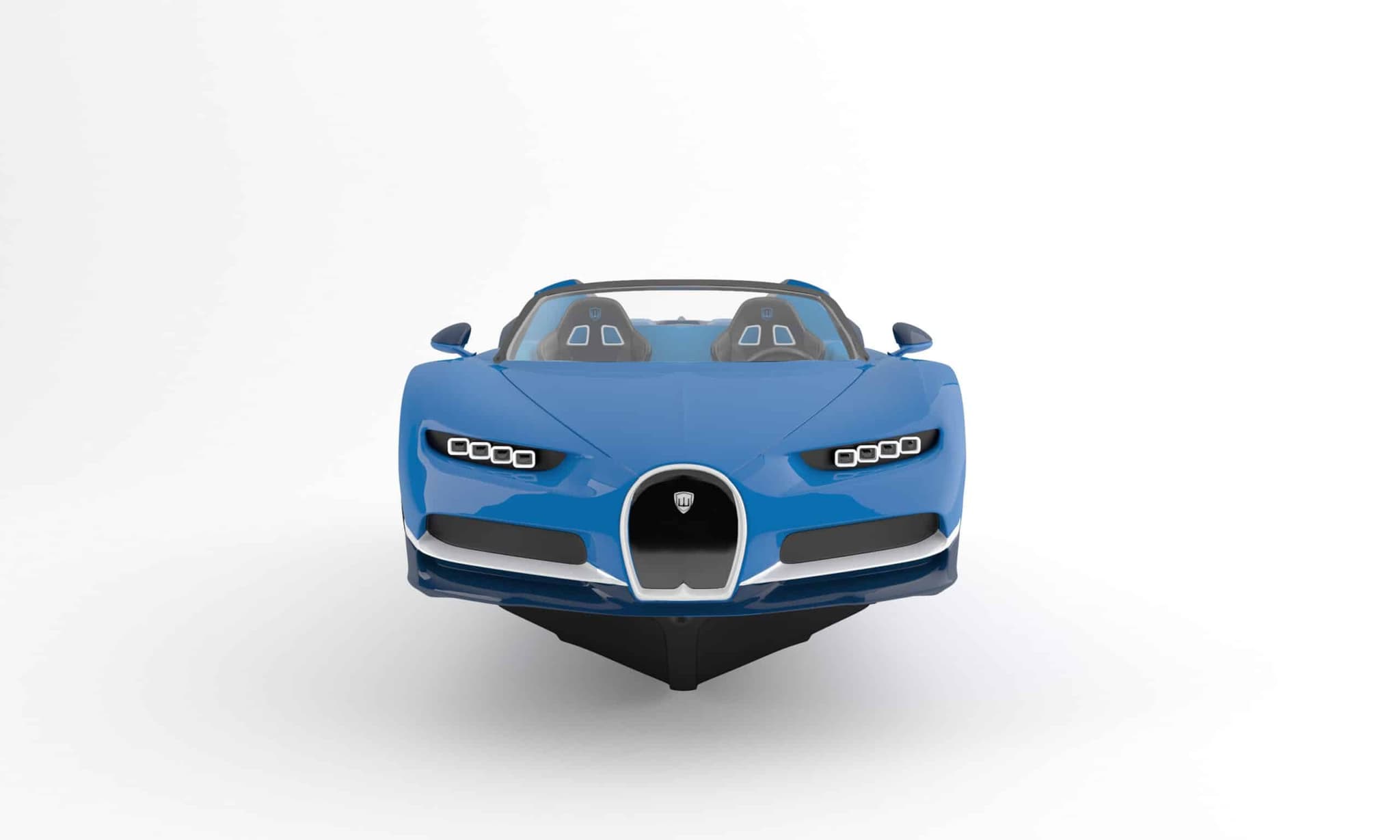 $90,000
WBC Model B
The ultimate expression of performance. When only the absolute best will do, this machine delivers beyond limits.
Keep reading
Related guides that answer the next questions most buyers ask.
What's the Difference Between a Jet Car and a Regular Car?
A WaterBoatCar jetcar looks like a supercar but functions as a watercraft — here's exactly how it differs from a real car.
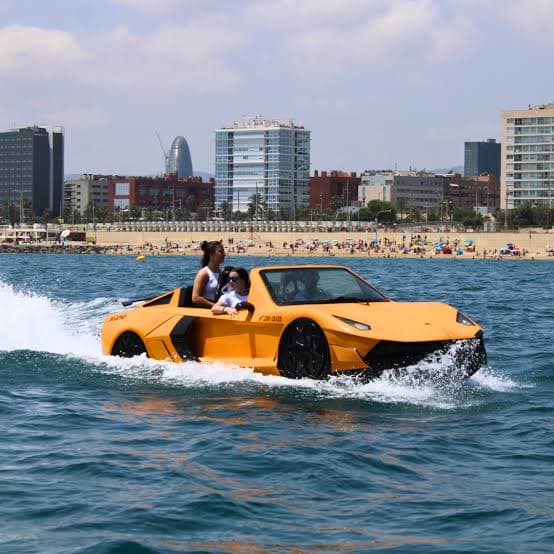
How Do Jet Cars Work? Jet Propulsion Explained
WaterBoatCar jetcars use marine jet propulsion, not propellers — here's how the technology actually moves you across the water.
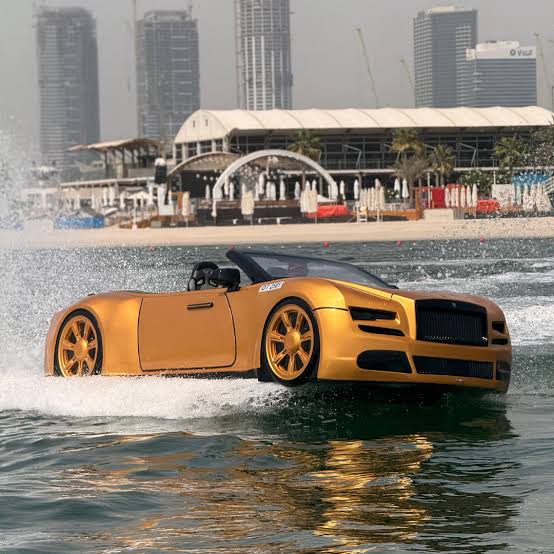
How Much Does a Jet Car Cost? | WaterBoatCar
See starting prices for every WaterBoatCar jetcar model, what is included, and which features affect the final cost of a custom build.
What Makes WaterBoatCar Different? | WaterBoatCar
See how WaterBoatCar combines supercar-inspired design with marine engineering, custom-built luxury jetcars, and refined watercraft performance.
Are Jet Cars Street Legal? | WaterBoatCar
Understand jetcar classification, waterway rules, registration, licensing, and ownership requirements before your first outing.
Ready to configure your jetcar?
Choose your model, colours, interior and branding, then submit your build for a confirmed quote and production timeline.