Do Jet Cars Have Brakes? How Stopping Works on Water
WaterBoatCar jetcars don't use traditional brakes — here's how jet-propelled watercraft actually slow down and stop on the water.
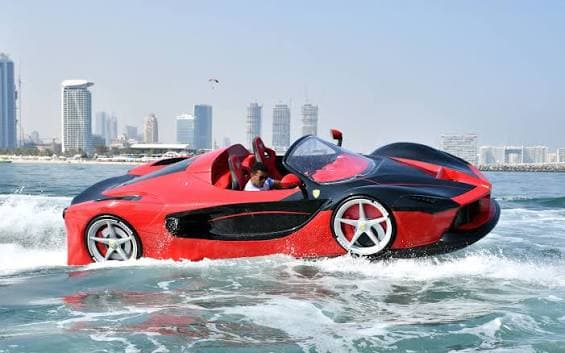
Do jet cars have brakes? No — a WaterBoatCar jetcar has no traditional brakes, and that's true of every jet-propelled watercraft on the market, not something unique to how we build. Instead of brake pads and rotors, a jetcar slows down through a combination of water resistance and reverse jet thrust. It's a genuinely interesting difference from driving a car, and worth understanding properly before your first time on the water.
Why cars need brakes and boats don't work the same way
A car's brakes work by creating friction against the pavement through the tires — pressing brake pads against rotors slows wheel rotation, and tire grip on the road converts that into actually slowing the vehicle. None of that mechanism exists on water: there's no solid surface for anything to grip, so an entirely different approach is needed to control speed and stopping. This is one of the clearest examples of why a jetcar, despite its supercar styling, is mechanically a watercraft — a point we explore fully in our guide on the difference between jet cars and regular cars.
How a WaterBoatCar jetcar actually slows down
Two things work together to control speed and bring a jetcar to a stop. First, simply easing off the throttle lets the hull's natural drag against the water decelerate the vessel — water resistance does a lot of the work here, the same way it would on any boat. Second, and more actively, the jet propulsion system can redirect thrust in reverse, pushing water forward rather than backward. This is functionally similar to how a jet ski or jet boat handles reverse and active braking, and it gives you meaningfully more control than drag alone. Mechanically, a movable gate or bucket drops behind the jet nozzle and redirects the outgoing stream of water forward, so the same engine power that drives you ahead can be used to push against your momentum. The effect is strongest at low to moderate speed, which is precisely where precise control matters most — arriving at a dock, holding position against a current, or making a careful correction near swimmers. At higher speeds, the standard technique is to first ease the throttle and let the hull's drag scrub off the bulk of your speed, then use reverse thrust to finish the job as you slow, exactly as an experienced operator would on any high-performance jet boat.
Car brakes vs. jetcar stopping: a comparison
Seeing the two systems side by side makes the difference intuitive rather than intimidating.
| Factor | Car (friction brakes) | WaterBoatCar jetcar (jet propulsion) |
|---|---|---|
| Stopping mechanism | Brake pads against rotors + tire grip | Water drag + reverse jet thrust |
| Surface relied on | Solid pavement | Water resistance |
| Emergency stop | Very short, abrupt | Gradual — plan distance ahead |
| Low-speed control | Good, but propeller boats struggle | Excellent, highly responsive |
| Best analogy | Friction braking | Jet aircraft thrust reverser |
Why reverse thrust is actually an advantage
This might sound like a downside compared to a car's brakes, but in practice, reverse-thrust jet propulsion gives you tighter, more responsive low-speed control than a traditional propeller-driven boat — which matters a lot when you're docking, maneuvering in a tight marina, or need to make a quick correction near other vessels. Experienced boat owners often find jet-propelled control more intuitive for close-quarters maneuvering than propeller steering, once they're used to it. It's a real part of why jet drives have become so popular across the personal watercraft category.
The physics of stopping distance
It helps to understand why stopping on water is inherently gradual. A car converts motion into heat through friction almost instantly, hauling several tons to a halt in a car length or two. Water offers no such fixed grip — it yields. When you back off the throttle, the hull decelerates as it pushes water aside, and when you apply reverse thrust, the drive actively redirects propulsive force forward to shorten that distance. But there is no surface for tires to bite, so the vessel always needs more room to stop than a car would. Weight, speed, and water conditions all lengthen or shorten that distance: a heavier vessel carries more momentum, higher speed means more energy to shed, and choppy water changes how the hull behaves. The practical takeaway is simple — always give yourself more space than feels necessary, because on the water, space is your primary safety margin.
Docking with reverse thrust, step by step
Where jet-propulsion stopping truly shines is close-quarters maneuvering, and docking is the clearest example. The approach that works for most owners looks like this:
- Approach slowly and at an angle. Come toward the dock at a shallow angle with minimal speed, reading the wind and current as you go.
- Bleed off speed early. Ease the throttle well before you arrive, letting drag do most of the initial slowing so you are already near walking pace.
- Use short bursts of reverse thrust. Rather than one long application, use brief, controlled bursts to fine-tune your speed and bring the vessel to a gentle stop.
- Steer with thrust. Remember that redirecting thrust turns the bow, so small throttle and steering inputs together let you place the vessel precisely.
- Account for drift. With no brakes holding you in place, wind and current will move you the moment you are stationary, so be ready to make small corrections.
This sounds like a lot written down, but on the water it becomes an easy, fluid rhythm within a few outings — and many owners find it more precise and satisfying than wrestling a propeller boat into the same space.
Stopping feel across the models
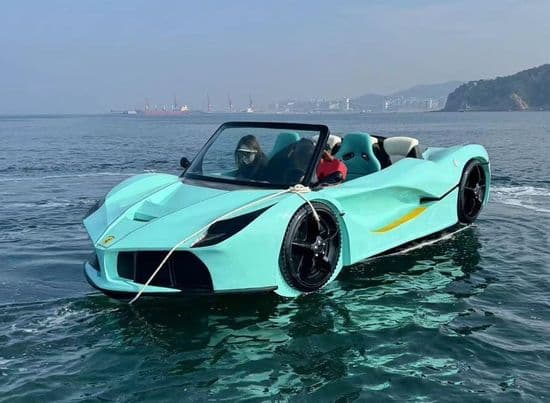
The jet-propulsion mechanism is identical across the lineup, but the feel is not. The lighter Ferrari-inspired Model FLF sheds speed quickly and responds crisply to reverse thrust, which suits its performance character. The heavier, 4–6 passenger enclosed Model MG carries more momentum and needs a little more distance and anticipation to stop smoothly, rewarding a gentle, planned approach. The Rolls-Royce-inspired Model RR sits in between, with composed, refined deceleration. None of these differences are dramatic, but they are real enough that our delivery orientation covers the specific feel of whichever model you choose, so you are calibrated to your own vessel from day one.
Common mistakes new owners make
The errors we see most often all trace back to car-driving instincts that do not transfer. Approaching a dock too fast, expecting to "brake" at the last moment, is the classic one — on water there is no last-moment stop. Applying one long, hard burst of reverse thrust instead of short, controlled ones is another, since it can unsettle the vessel and overshoot the correction. And forgetting that the vessel keeps drifting once stopped catches out newcomers who expect it to stay put like a parked car. None of these are difficult to unlearn; they simply require replacing "brake late" instincts with "plan early" ones. A couple of relaxed practice sessions in open water is usually all it takes.
A real owner's experience
One new owner, a lifelong driver who had never operated a boat, told us his first few reverse-thrust stops felt alien — he kept reaching mentally for a brake pedal that was not there. By his third outing, practicing gentle approaches in an empty stretch of water, it had flipped entirely: he described the low-speed control as "more precise than parking a car," because he could nudge the vessel exactly where he wanted with small thrust inputs. That progression, from unfamiliar to genuinely preferred, is the most common arc we hear from owners.
Pros and cons of jet-propulsion stopping
Like any system, reverse-thrust braking has clear strengths and a couple of habits it demands.
Pros
- Exceptional low-speed maneuvering, ideal for docking and tight marinas.
- No brake pads or rotors to wear out or replace.
- Active deceleration on demand, not just passive drag.
- No exposed propeller, a genuine safety benefit around swimmers.
Cons / things to adapt to
- Longer stopping distance than a car — you must plan ahead.
- No instant "slam the brakes" equivalent in an emergency.
- Takes a few outings to develop the right feel.
- Heavier models (like the Model MG) need more distance to stop.
What new owners should expect and practice
If you're coming from driving cars and this is your first jet-propelled watercraft, plan on spending some time in open, calm water getting a feel for how throttle and reverse thrust translate into stopping distance and control — it genuinely does feel different at first. There's no instant "slam the brakes" equivalent, so planning your stopping distance further in advance than you might in a car is an important habit, and it's a standard part of the boater safety education most jurisdictions require before you're licensed to operate any personal watercraft. Our guide on how to learn to operate a jet car walks through exactly how to build this skill safely.
A practical comparison
Think of it less like a car's brakes and more like the thrust reversers on a jet aircraft — redirecting the same propulsive force in the opposite direction to actively decelerate, rather than relying on friction against a surface. It's a completely different physical mechanism, but one that experienced boaters actually tend to prefer once they've spent time with it, thanks to the responsiveness it offers at low speed. Once that mental model clicks, the absence of traditional brakes stops feeling like a limitation and starts feeling like a feature.
Keeping the reverse-thrust system healthy
Because stopping and low-speed control depend on the jet drive, keeping that system in good order is directly tied to how confidently your jetcar responds. The reverse-thrust mechanism, the impeller, and the jet intake all benefit from the routine marine servicing any jet-propelled watercraft needs — clearing debris, checking the impeller for wear, and ensuring the reverse gate moves freely. A neglected intake or worn impeller can subtly reduce thrust, which means less effective deceleration exactly when you want it most. This is another reason we treat maintenance as part of safe operation rather than a separate chore; our maintenance cost guide sets out what a sensible schedule involves and roughly what to budget.
How this ties into overall safety
Stopping is just one part of operating any watercraft safely. The absence of an exposed propeller, stable hull design, and our full delivery orientation all contribute to a vessel that's engineered with safety in mind — covered in depth in our guide on how safe jet cars are. Combined with responsible operating habits, jet-propulsion braking is a system that experienced owners come to trust quickly.
The single most important habit that ties stopping into overall safety is maintaining a generous margin of space and speed. Because you cannot stop instantly, the safest operators simply never put themselves in a position where an instant stop would be required — they slow early near other vessels, keep clear distances at speed, and treat crowded or unfamiliar water with extra caution. This is exactly how experienced boaters operate any powered craft, and it makes the lack of car-style brakes a non-issue in practice. It is a shift in mindset from reacting late to planning early, and it is the foundation of confident, safe operation on the water.
Final thoughts
A WaterBoatCar jetcar doesn't have brakes in the car sense because it doesn't need them — water resistance and reverse jet thrust do the job instead, and once you've spent a little time getting used to it, most owners find it just as intuitive (and in tight maneuvering situations, often more responsive) than braking a car. Explore the models below to see how they differ, and keep reading for how to learn the controls and stay safe on the water.
If this is your first encounter with jet-propelled watercraft, the most reassuring thing to know is that every new owner makes the same mental adjustment, and it consistently feels natural within the first few outings. The mechanics are different; the underlying goal — confident, controlled movement — is exactly the same as it is behind the wheel of a car.
Frequently Asked Questions
Is it harder to learn to stop a jetcar than to brake a car?
It's different rather than harder — most new owners adjust within their first few outings in calm, open water, and our delivery process includes a safety and operation briefing specifically covering this.
Can I stop suddenly in an emergency the way I would slam a car's brakes?
Reverse thrust gives you active deceleration, but stopping distance on water is inherently longer than a car's braking distance — this is exactly why planning ahead and maintaining safe following/operating distance matters more on the water.
Does reverse thrust work the same at all speeds?
Reverse thrust is most effective for active braking and maneuvering at low-to-moderate speed; at higher speed, easing the throttle and allowing water drag to do more of the initial deceleration is the standard approach, the same as with any high-performance powerboat.
Do all five WaterBoatCar models handle stopping the same way?
The underlying jet-propulsion mechanism is the same across models, though hull weight (particularly the larger Model MG) affects exact stopping distance and feel — our delivery briefing covers specifics for your chosen model.
Is there any maintenance specific to the reverse-thrust system?
Routine jet intake and impeller maintenance (covered in our maintenance cost guide) keeps the propulsion and reverse-thrust system performing as designed.
Explore the models
Every WaterBoatCar jetcar is hand-finished to order. Tap a model to see specifications, gallery and pricing.
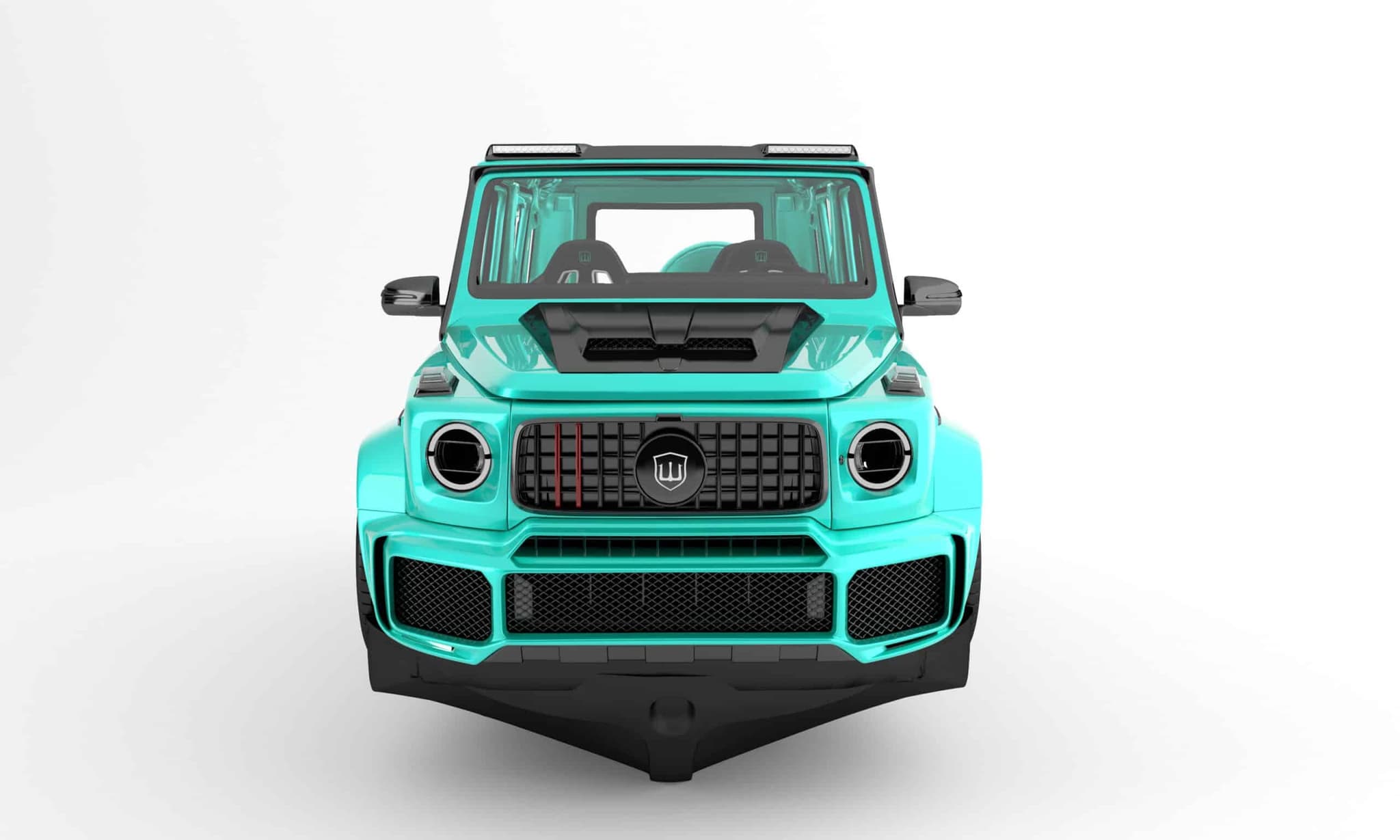 $98,000
WBC Model MG
The definitive off-road legend now commands the open sea. Engineered for performance, designed for presence, and crafted to carry up to six in uncompromising luxury.
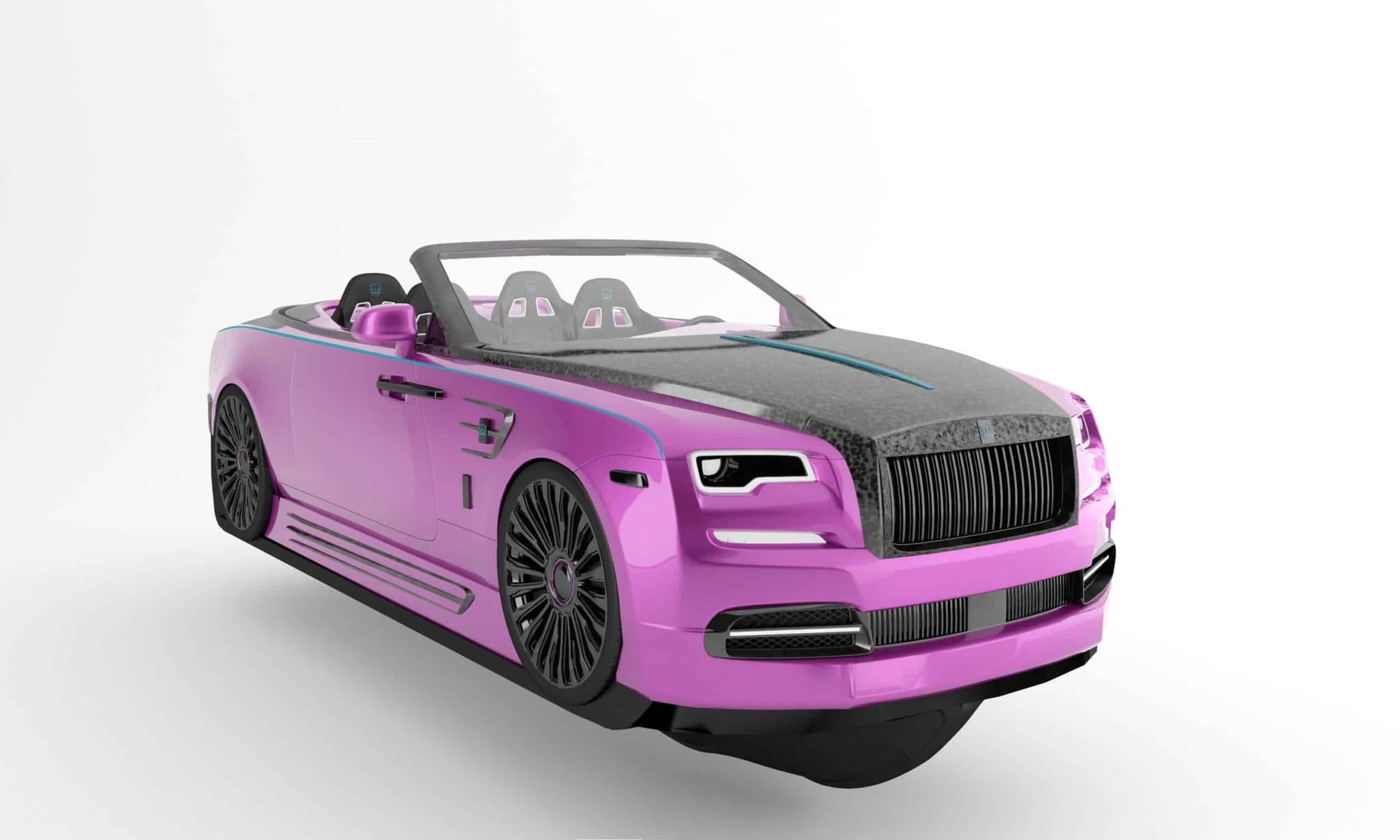 $84,000
WBC Model RR
Crafted for those who refuse to arrive unnoticed. A presence worthy of royalty. A statement beyond status.
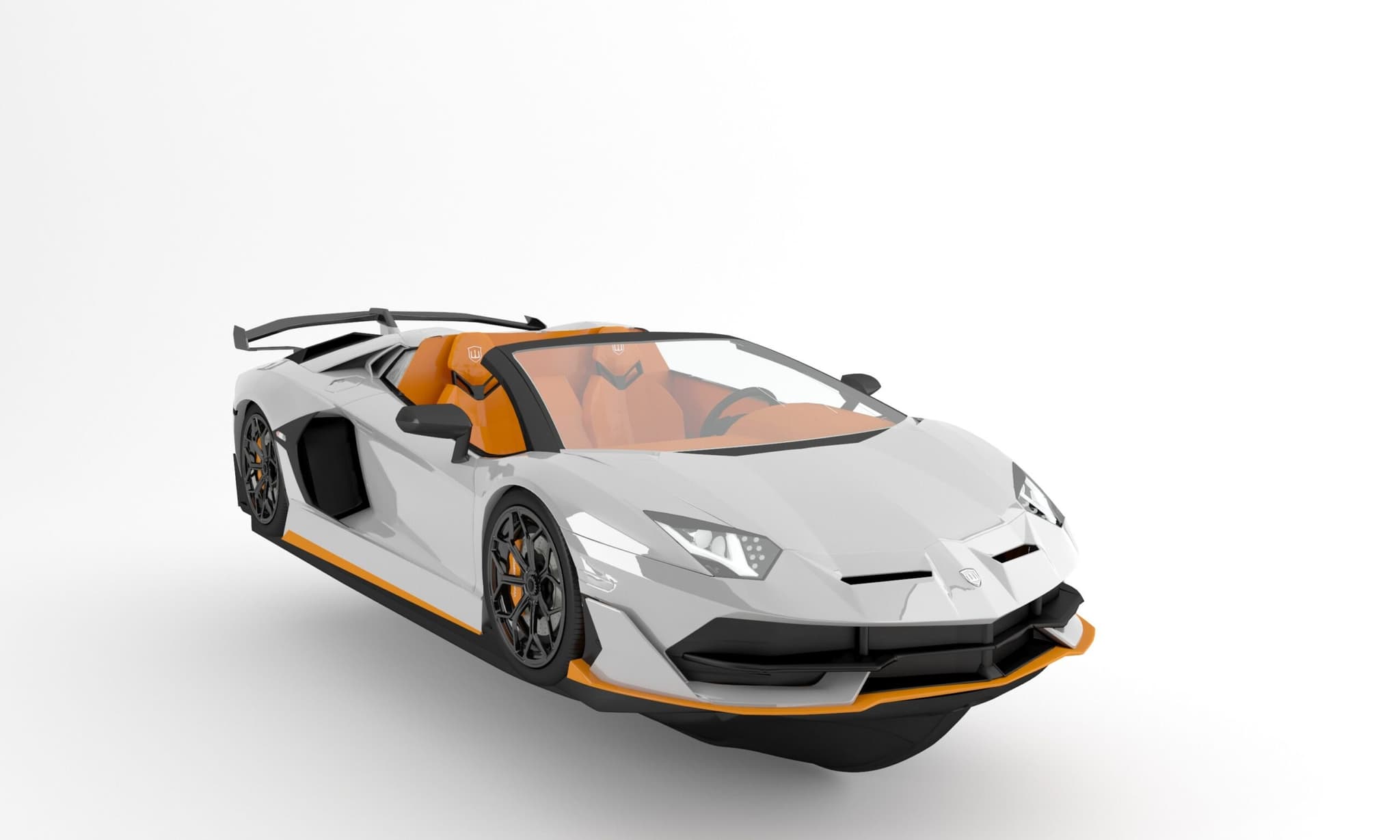 $82,000
WBC Model LA
The pinnacle of super sports performance — now reborn on water. Where Italian passion fuels pure speed.
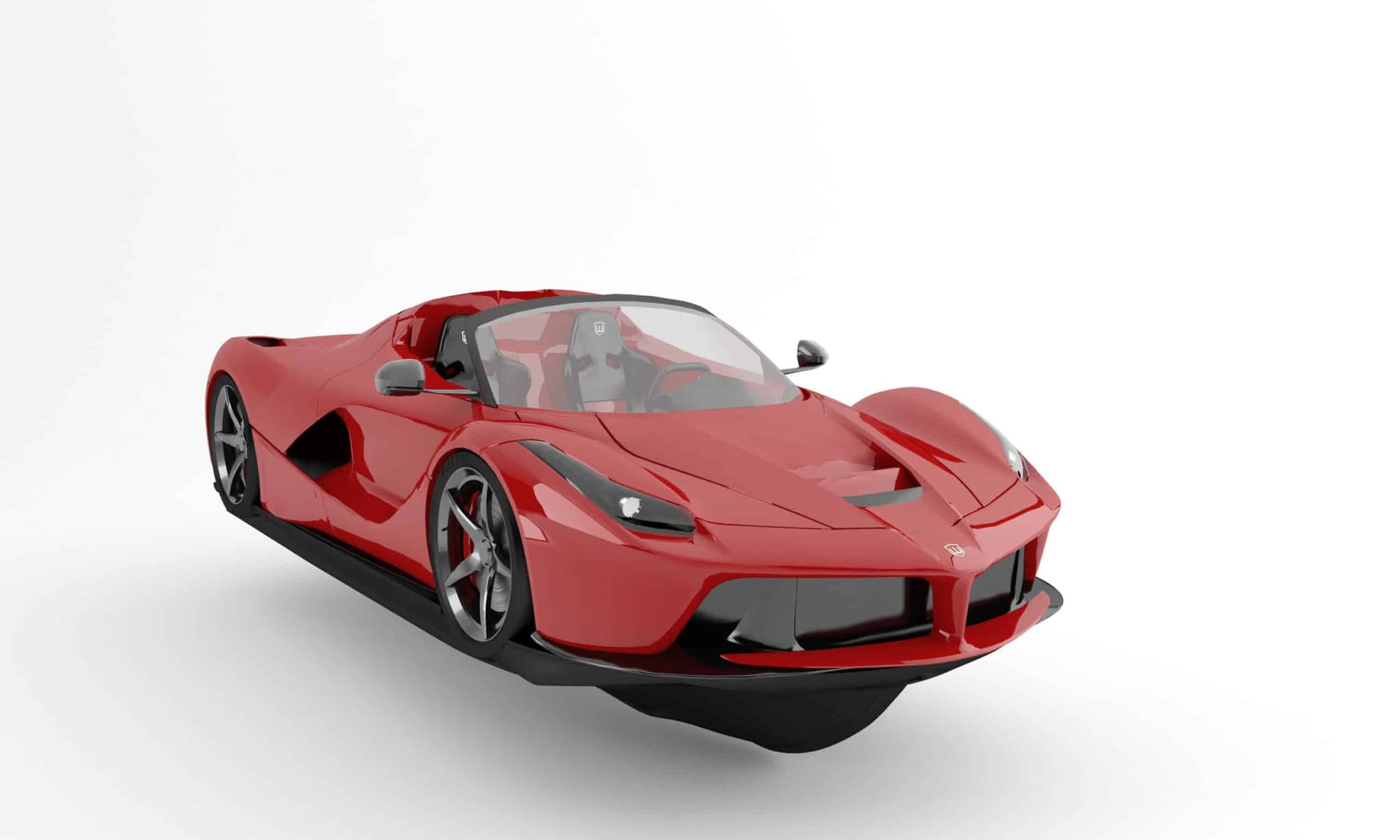 $82,000
WBC Model FLF
Unmatched speed. Now unleashed on water. Driven by Italian passion, engineered for pure performance.
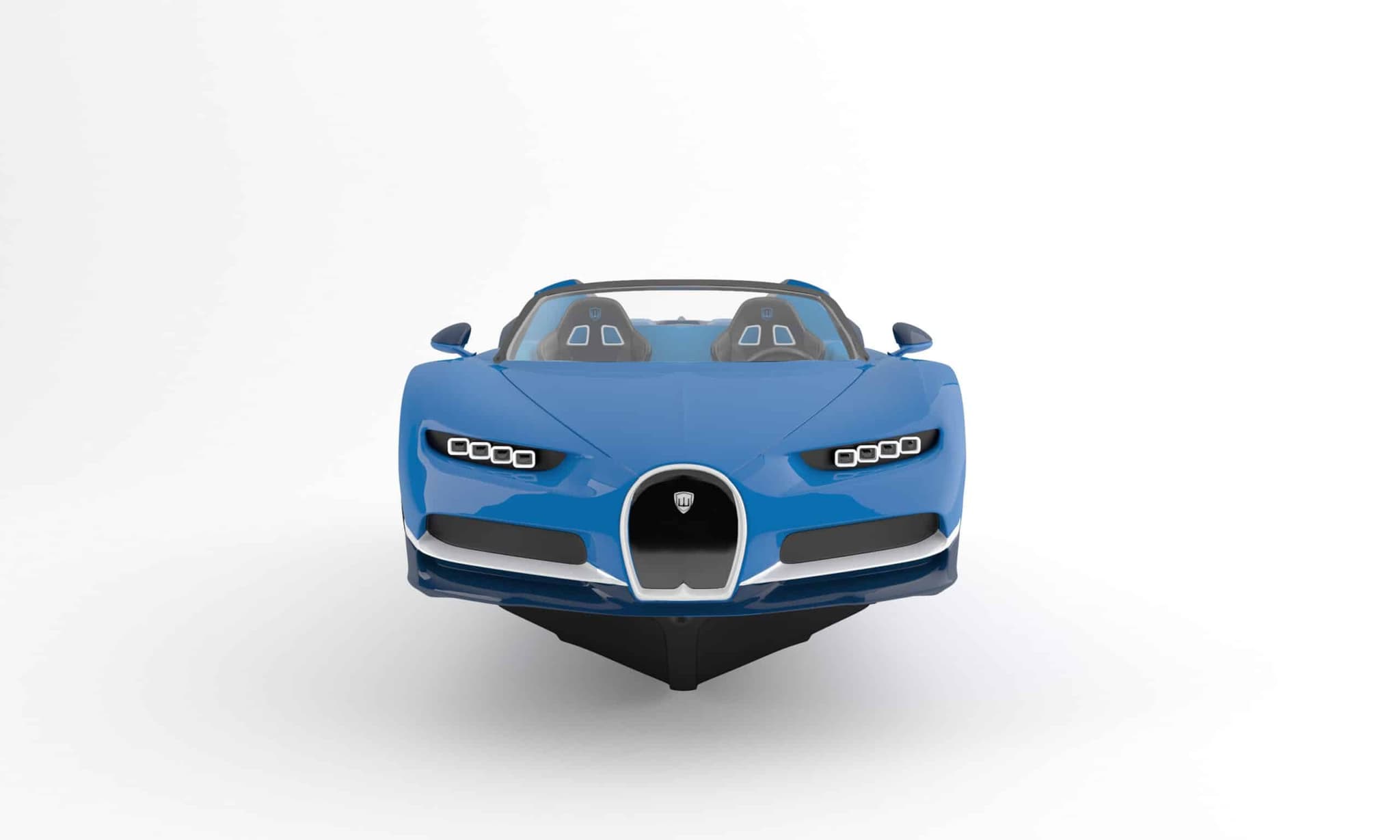 $90,000
WBC Model B
The ultimate expression of performance. When only the absolute best will do, this machine delivers beyond limits.
Keep reading
Related guides that answer the next questions most buyers ask.
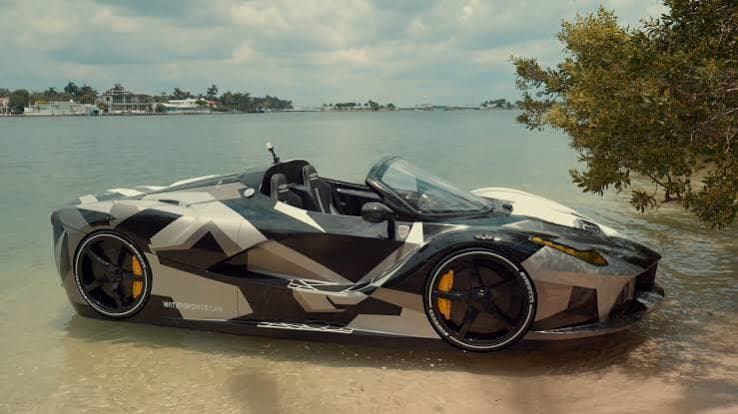
How Safe Are Jet Cars? | WaterBoatCar
WaterBoatCar jetcars are built with marine-grade safety features — from enclosed cabin protection to jet propulsion designed without exposed propellers.
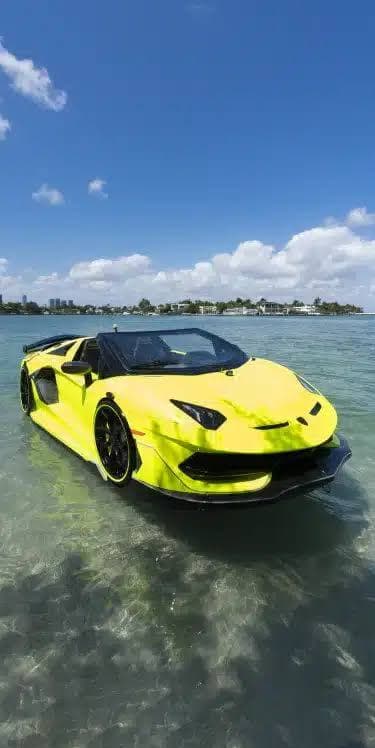
How to Operate a Jet Car | WaterBoatCar
Learn jetcar safety certification, practical training, delivery orientation, and the preparation required before operating a WaterBoatCar.
What's the Difference Between a Jet Car and a Regular Car?
A WaterBoatCar jetcar looks like a supercar but functions as a watercraft — here's exactly how it differs from a real car.
Ready to configure your jetcar?
Choose your model, colours, interior and branding, then submit your build for a confirmed quote and production timeline.