How Safe Are Jet Cars? | WaterBoatCar
WaterBoatCar jetcars are built with marine-grade safety features — from enclosed cabin protection to jet propulsion designed without exposed propellers.
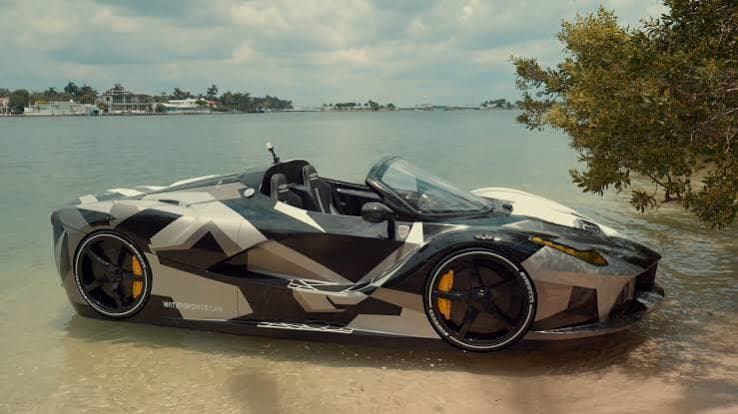
Jet car safety comes down to two things working together: genuine engineering advantages built into every WaterBoatCar model, and responsible operating habits from the person at the controls. Safety is central to how these vessels are designed, not an afterthought bolted onto a striking body — from jet propulsion with no exposed propeller to stable hull design and enclosed-cabin protection. Here's a full look at what actually makes these vessels safe, and what owners should know to keep it that way.
The built-in engineering advantage: no exposed propeller
Because every WaterBoatCar model uses jet propulsion rather than a traditional exposed propeller, there's no spinning blade beneath the hull — a real and meaningful safety advantage, particularly around swimmers, in shallow water, or in any situation where someone might end up near the back of the vessel. This is one of the genuine engineering benefits of jet propulsion as a category, not something unique to our brand, but it's worth understanding clearly as part of why these vessels are considered safer in certain respects than traditional propeller-driven boats. Propeller strikes are among the more serious injury risks in recreational boating, and removing the exposed blade entirely takes that specific hazard off the table. It also means the drive can operate in shallower water without the risk of a propeller grounding, which broadens where you can safely run and reduces the chance of a sudden, control-affecting impact with the bottom.
Hull stability and enclosed-cabin protection
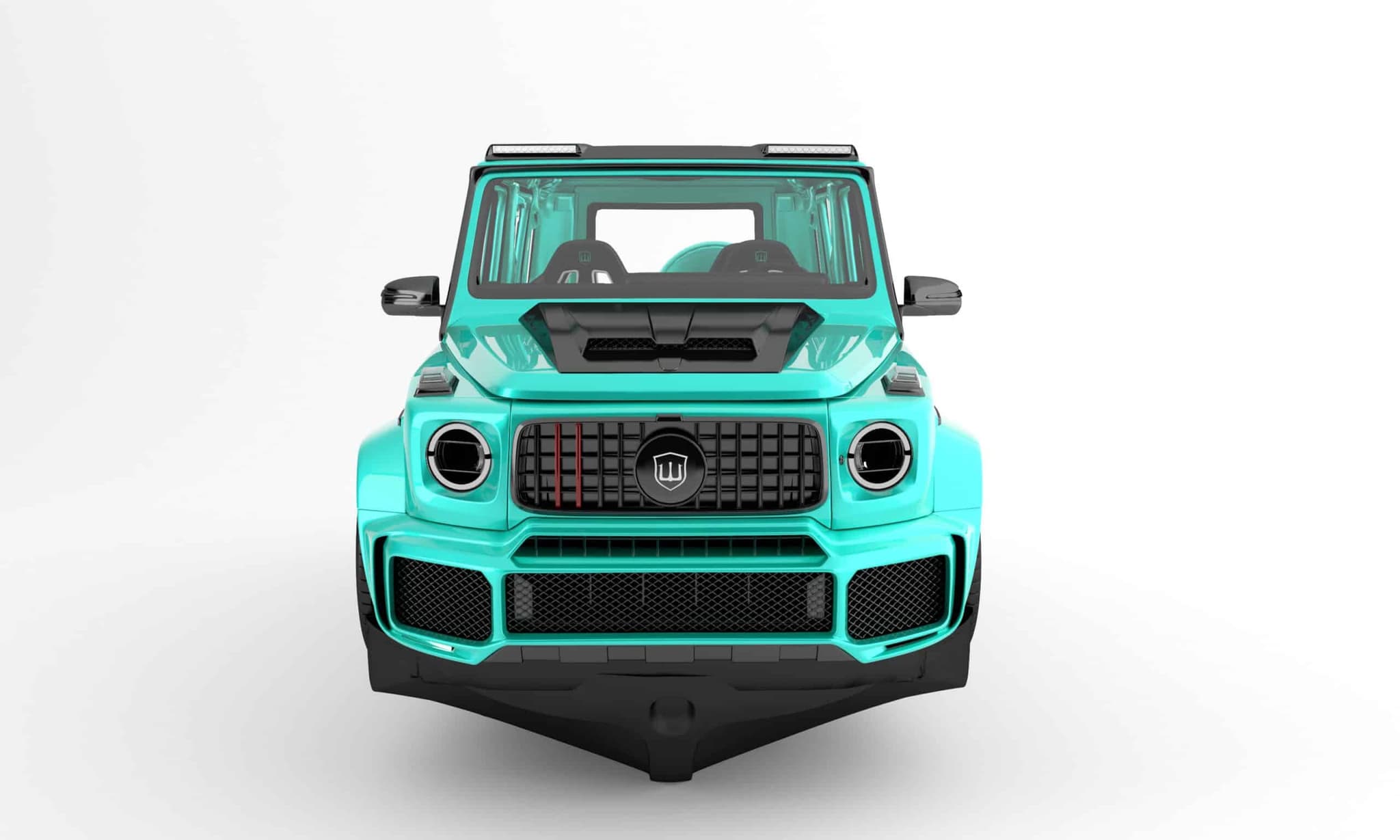
Beyond propulsion, hull design across the lineup is engineered for stability at speed — a critical factor in preventing loss of control in choppy conditions or sudden maneuvers. Our enclosed-cabin model, the Mercedes G-Class-inspired Model MG, adds another layer of protection: a fully enclosed structure with four individual doors shields passengers from spray, wind, and direct sun far more than an open jet ski or bowrider would, and can reduce fatigue and improve visibility and comfort on longer outings. Fatigue is an underrated safety factor: an operator who is cold, wet, wind-battered, and squinting into glare after a couple of hours makes slower, poorer decisions than one who is comfortable and alert. By keeping the crew protected, the enclosed cabin helps sustain the kind of attentive operation that keeps everyone safe, particularly on longer runs or in less-than-ideal weather. The open models trade some of that protection for a more exposed, driver-focused experience, which is a perfectly good choice for shorter outings in fair conditions — the key is matching the model to how and where you actually intend to use it.
Engineering vs. operator responsibility
It's useful to be clear about which safety factors we build in and which are up to the owner. Both columns matter equally on the water.
| Safety factor | Built into the vessel | Owner's responsibility |
|---|---|---|
| No exposed propeller | Yes | — |
| Stable planing hull | Yes | — |
| Enclosed cabin (Model MG) | Yes | — |
| Life jackets for all aboard | — | Yes |
| Boater safety education | — | Yes |
| Checking weather/conditions | — | Yes |
| Safe speed and distance | — | Yes |
| Fire extinguisher + signal device | — | Yes |
What owners are responsible for
Engineering only gets you so far — as with any powerboat or personal watercraft, real-world safety depends heavily on the habits and preparation of the operator. That means a properly fitted, US Coast Guard-approved (or local equivalent) life jacket for every single passenger, every time, regardless of swimming ability; completing a boater safety course, even in jurisdictions where it's not strictly mandatory, if you're new to powered watercraft; checking current weather and water conditions before heading out, since conditions can change faster on open water than many new boaters expect; and using clear judgment around speed and proximity to other vessels, swimmers, and shorelines, especially in busy marinas.
The essential safety equipment checklist
Beyond what is engineered into the vessel, a well-prepared owner carries and maintains the same core safety kit any responsible boater would. Requirements vary slightly by jurisdiction, but the fundamentals are consistent:
- Life jackets for everyone aboard. A properly fitted, Coast Guard-approved (or local equivalent) personal flotation device for each passenger, worn rather than stowed, regardless of swimming ability.
- A fire extinguisher. Marine-rated and within date, stored where it can be reached quickly.
- A sound-producing device. A horn or whistle to signal other vessels, which is a legal requirement in most places.
- Navigation lights. Required if you operate at dusk, at night, or in low visibility.
- A means of communication. A charged phone in a waterproof case or a marine VHF radio so you can call for help if needed.
- Basic first-aid and a bailer or pump. Sensible additions that cost little and matter a great deal in the rare moment they are needed.
Your WaterBoatCar advisor can confirm exactly what your area mandates and recommend reputable suppliers, but treating this list as the baseline for every outing is the single easiest way to keep a fun day safe.
Weather and water awareness
Conditions on open water change faster than many new owners expect, and reading them is a core safety skill rather than an optional extra. Check the forecast and the wind before you launch, understand how your local body of water behaves as the day warms or the tide shifts, and set a personal turn-around threshold — a wind speed or wave height beyond which you head in early rather than push on. If conditions deteriorate while you are out, the standard response is simple and effective: reduce speed, make sure everyone is in a life jacket, and head back toward shelter or your launch point. A jetcar is a capable, stable vessel, but no boat rewards ignoring the weather, and the owners who stay safest are the ones who treat an early return as good seamanship rather than a disappointment.
Safety differences across the models
While every model shares the same core engineering advantages — jet propulsion with no exposed propeller and a stable planing hull — their handling and protection profiles differ enough to be worth understanding. The lighter Ferrari-inspired Model FLF responds quickly and rewards attentive, deliberate inputs, which suits an operator who has spent time learning its feel. The enclosed Model MG is heavier and carries more passengers, giving it a more planted, stable character but longer momentum to manage, so smooth, anticipatory operation matters more. The Rolls-Royce-inspired Model RR sits between those, prioritizing composed, refined handling. None of these differences make one model "safe" and another "unsafe" — they simply mean the sensible first-outing habits we recommend should be tuned to the specific vessel you own, which is exactly what our delivery orientation covers.
Keeping passengers safe, not just the operator
Safety is often framed around the person at the controls, but passengers deserve a quick briefing too. Before you get underway, show everyone aboard where the life jackets are and how to fasten them, where to hold on, and the simple rule to stay seated while the vessel is moving. Point out how to get back aboard from the water, and agree a plan for what to do if the operator becomes unable to help. This takes two minutes and dramatically improves the odds that a surprise stays minor. It is the same courtesy any thoughtful boater extends, and it turns passengers from bystanders into a prepared crew.
How jetcar safety compares to other watercraft
Prospective owners often ask whether a jetcar is safer or riskier than a jet ski or a conventional powerboat. The honest answer is that it shares the biggest safety advantage of all jet-propelled craft — no exposed propeller — while adding, on the enclosed Model MG, a level of weather and fatigue protection that a straddle-seat jet ski simply cannot offer. Against a traditional propeller boat, the absence of a spinning blade beneath the hull is a clear point in its favor around swimmers and in shallow water. What a jetcar does not do is remove the universal responsibilities of any powered watercraft: life jackets, sober and attentive operation, weather awareness, and respect for other people on the water. Judged fairly, it is a very safe category operated well, and like any boat, a hazardous one operated carelessly.
Pros and cons from a safety perspective
Understanding the honest balance helps set the right expectations for a new owner.
Pros
- Jet propulsion with no exposed propeller reduces contact-injury risk.
- Stable hull design resists loss of control in chop and turns.
- Enclosed Model MG cabin protects passengers from weather and fatigue.
- Full safety and operation orientation included with every delivery.
Cons / responsibilities to accept
- Water stopping distances are longer than car braking — plan ahead.
- Handling differs from propeller boats and takes practice to master.
- Required safety equipment must be carried and maintained by the owner.
- Conditions can change quickly; ongoing judgment is essential.
Getting comfortable with jet-propulsion handling
One safety-relevant point that's easy to overlook: jet propulsion handles differently from a traditional propeller boat, particularly around reverse-thrust braking (covered in our dedicated guide on whether jet cars have brakes) and how steering response feels at low speed. We strongly recommend new owners spend their first outing or two in calm, open water — away from crowded docks or other vessels — simply getting a feel for how their specific model responds, before attempting tighter maneuvers in a busy marina. Our guide on how to learn to operate a jet car lays out a sensible progression.
What we provide with every delivery
Every WaterBoatCar delivery includes a full safety and operation orientation from our team, along with documentation specific to your model's handling characteristics, recommended safety equipment, and operating guidance. We're also available afterward if questions come up as a new owner gets more comfortable — this isn't a one-time briefing you're left to remember perfectly on your own. It's also worth pairing that orientation with appropriate coverage; our guide on jet car insurance explains what to look for.
Maintenance is a safety practice, too
It is easy to think of servicing purely as protecting your investment, but a well-maintained jetcar is also a safer one. A healthy engine responds predictably when you need power for steering through a turn; a properly cared-for jet intake keeps thrust consistent; and functioning lights, bilge systems and electronics all contribute directly to safe operation. Skipping maintenance does not just risk a breakdown — it can quietly erode the responsiveness and reliability that keep you in control on the water. Treating regular servicing as part of your safety routine, alongside your pre-launch equipment check, is one of the habits that separates trouble-free ownership from avoidable incidents. Our maintenance cost guide explains what a sensible schedule looks like and why it matters.
A real example of good practice
One owner of our Rolls-Royce-inspired Model RR, new to boating generally, chose to complete a full boater safety certification course even though her state didn't strictly require it for her age group, specifically because she wanted to feel fully confident before her first solo outing. That kind of proactive approach — treating the engineering safety features as a strong foundation, not a substitute for genuine operator preparation — is exactly the mindset we'd encourage for any new owner.
Final thoughts
Real safety with a WaterBoatCar jetcar comes from a combination of genuine engineering advantages — jet propulsion with no exposed propeller, stable hull design, and enclosed-cabin protection on the Model MG — paired with the same responsible operating habits any experienced boater would follow. We treat the delivery orientation as the start of that education, not the end of it. Explore the models below, and keep reading for more on stopping, learning the controls, and insuring your jetcar.
The owners who get the most out of these vessels are consistently the ones who treat the engineering as a strong foundation and their own preparation as the structure built on top of it. Neither replaces the other — the combination is what makes every outing genuinely safe and enjoyable from the very first time out.
Frequently Asked Questions
Is a WaterBoatCar jetcar safer than a traditional jet ski?
The absence of an exposed propeller is a shared advantage across all jet-propelled personal watercraft, ours included; our enclosed-cabin model adds further protection from weather exposure that a typical straddle-seat jet ski doesn't offer.
Do I need to be an experienced boater to safely operate one?
No prior experience is required, but we strongly recommend completing a boater safety course if you're new to powered watercraft, and spending initial outings in calm, open water before more complex maneuvering.
What safety equipment comes with the vessel versus what I need to buy separately?
We can advise on exactly what safety equipment is required for your jurisdiction and recommend reputable suppliers — check with your WaterBoatCar advisor during the quote and delivery process for specifics.
Are there speed limits or handling differences I should know about with the larger Model MG?
Yes — its greater weight and 4–6 passenger capacity give it a different handling profile than the lighter models; our delivery orientation covers model-specific handling in detail.
What should I do if conditions change unexpectedly while I'm out on the water?
Standard boating safety practice applies: reduce speed, head back toward shore or your point of departure, and prioritize getting all passengers into life jackets if not already wearing them — the same guidance that applies to any powerboat in changing conditions.
Explore the models
Every WaterBoatCar jetcar is hand-finished to order. Tap a model to see specifications, gallery and pricing.
 $98,000
WBC Model MG
The definitive off-road legend now commands the open sea. Engineered for performance, designed for presence, and crafted to carry up to six in uncompromising luxury.
 $84,000
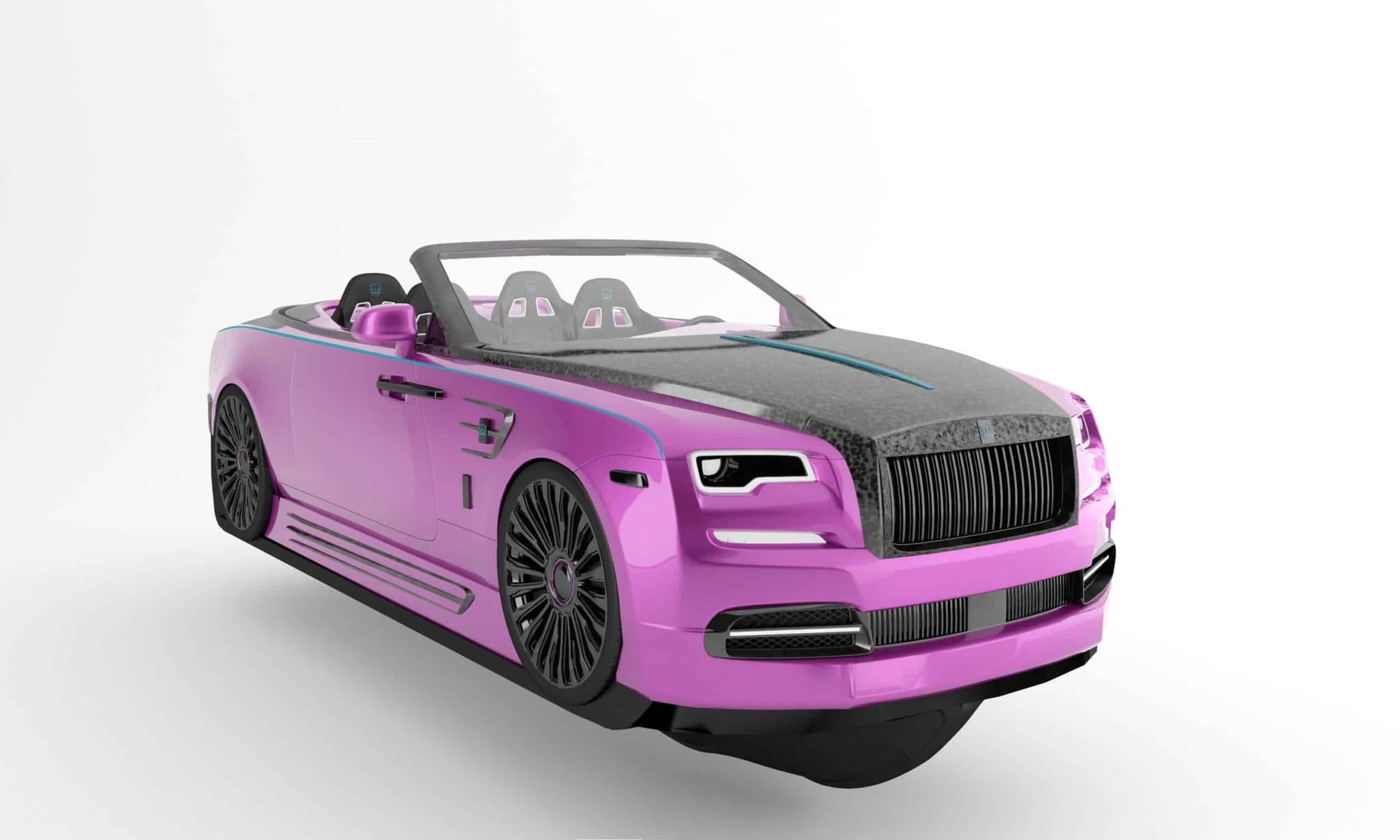
WBC Model RR
Crafted for those who refuse to arrive unnoticed. A presence worthy of royalty. A statement beyond status.
 $82,000
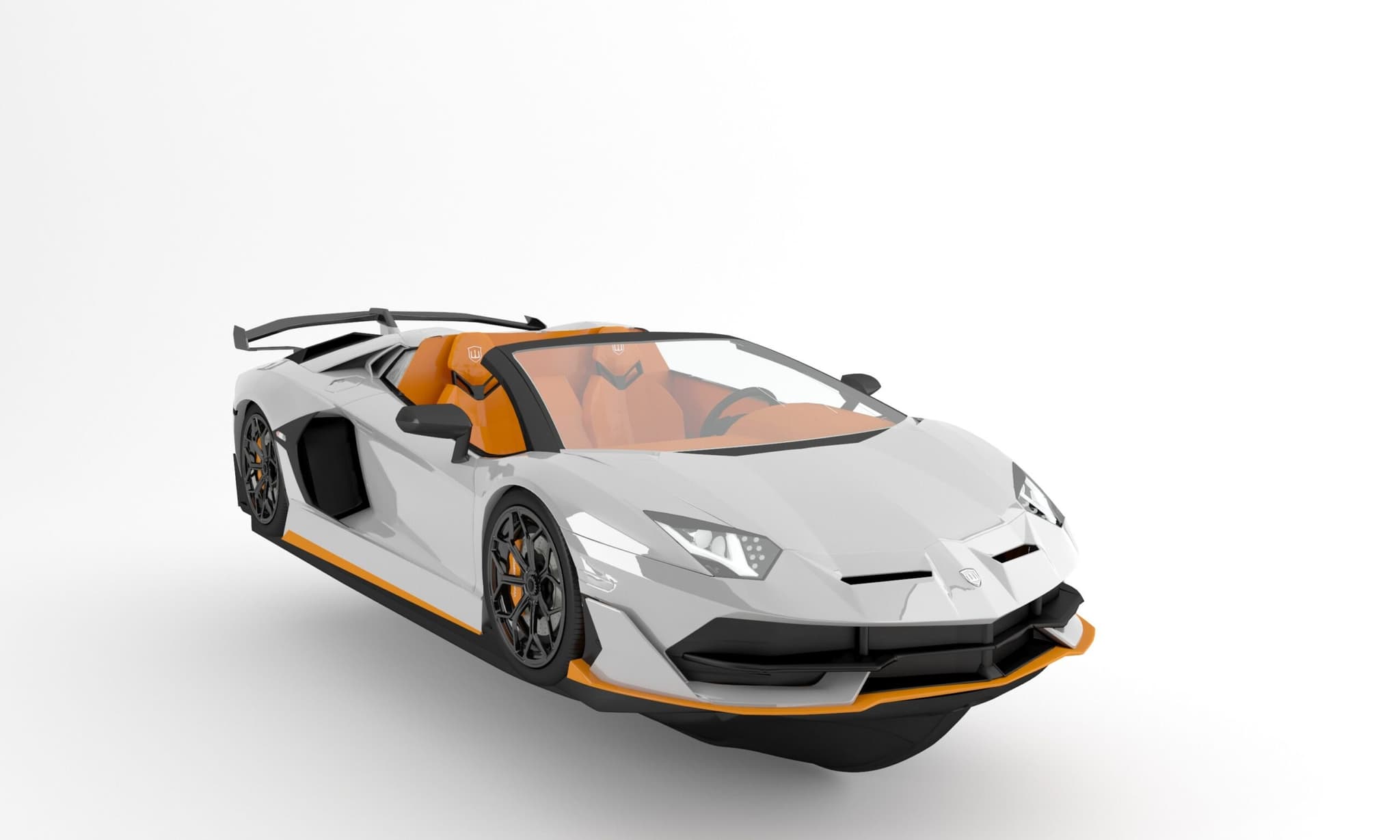
WBC Model LA
The pinnacle of super sports performance — now reborn on water. Where Italian passion fuels pure speed.
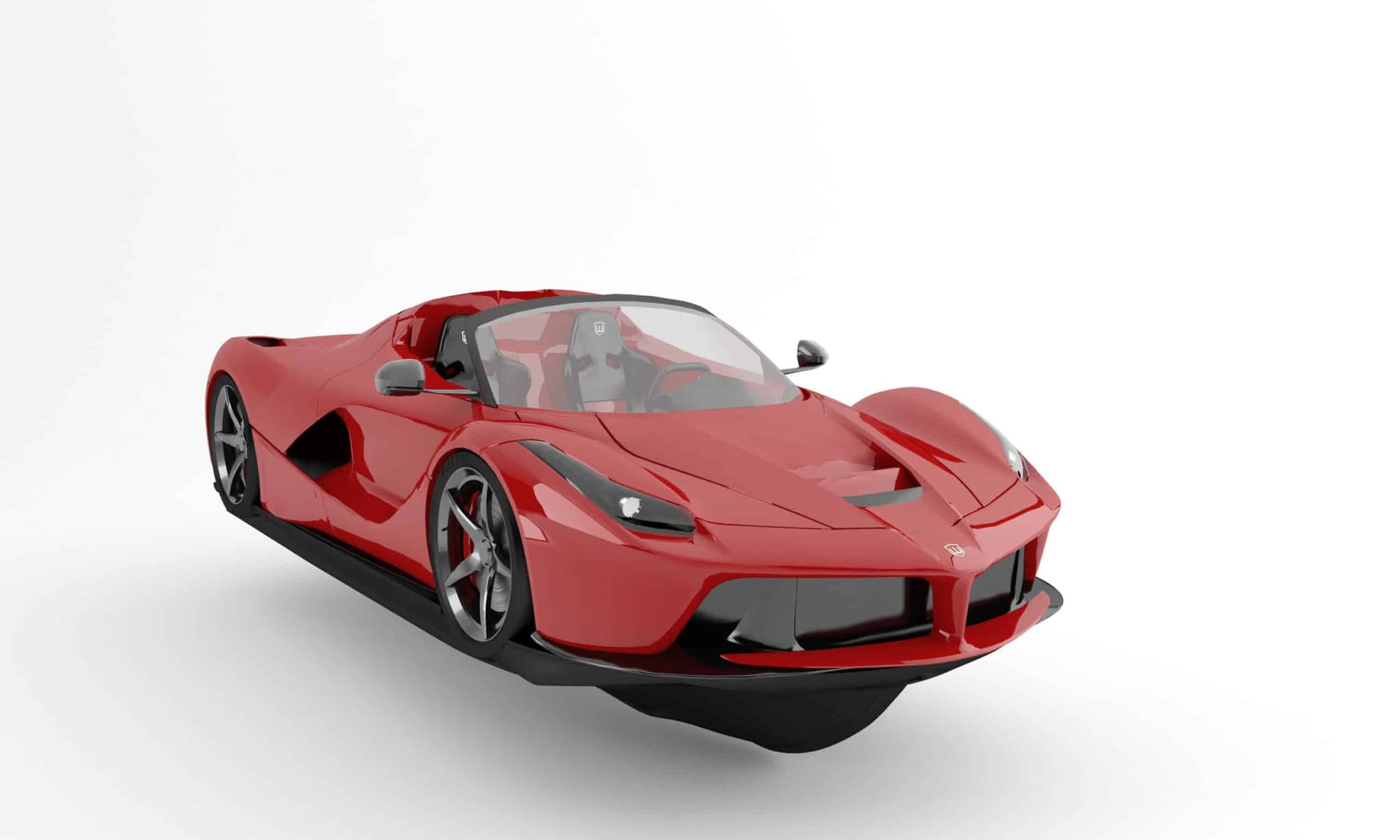 $82,000
WBC Model FLF
Unmatched speed. Now unleashed on water. Driven by Italian passion, engineered for pure performance.
 $90,000
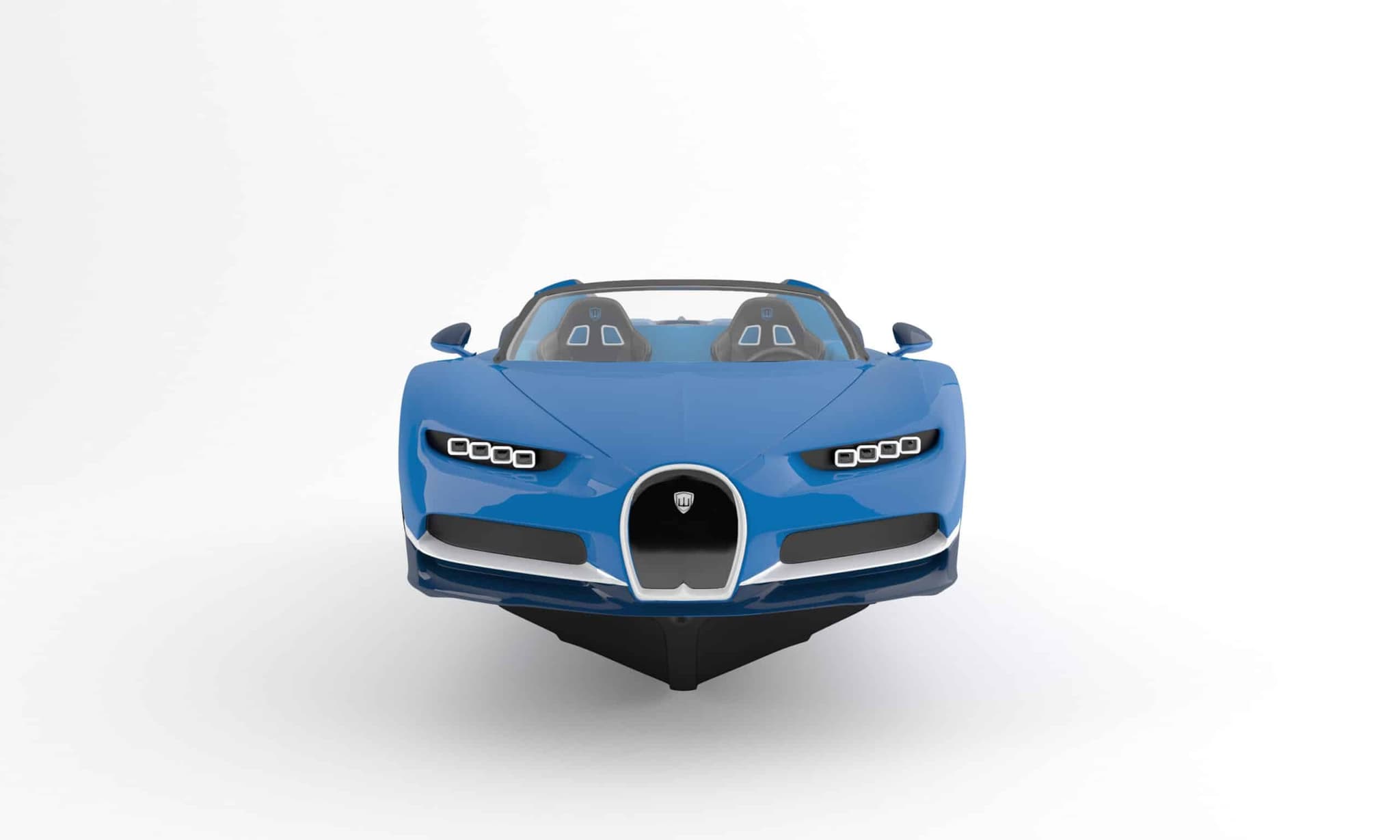
WBC Model B
The ultimate expression of performance. When only the absolute best will do, this machine delivers beyond limits.
Keep reading
Related guides that answer the next questions most buyers ask.
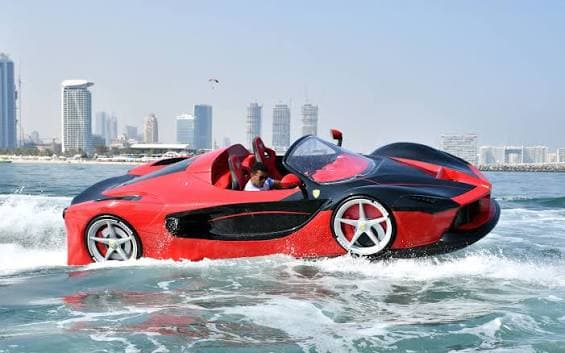
Do Jet Cars Have Brakes? How Stopping Works on Water
WaterBoatCar jetcars don't use traditional brakes — here's how jet-propelled watercraft actually slow down and stop on the water.
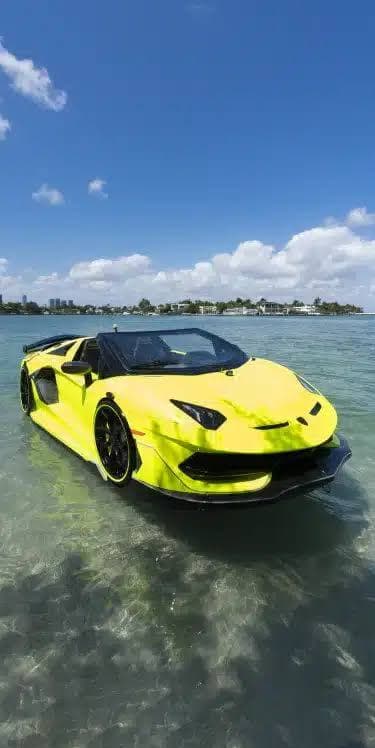
How to Operate a Jet Car | WaterBoatCar
Learn jetcar safety certification, practical training, delivery orientation, and the preparation required before operating a WaterBoatCar.
Jet Car Insurance — What Coverage You Need and What It Costs
Learn how to insure a WaterBoatCar jetcar, including marine coverage, expected costs, documentation, and preparation before launch.
Ready to configure your jetcar?
Choose your model, colours, interior and branding, then submit your build for a confirmed quote and production timeline.