Jet Car Insurance — What Coverage You Need and What It Costs
Learn how to insure a WaterBoatCar jetcar, including marine coverage, expected costs, documentation, and preparation before launch.
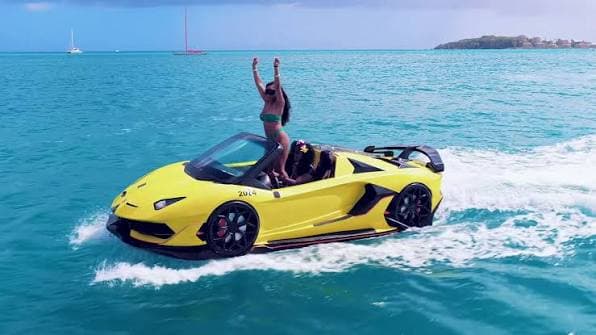
A WaterBoatCar jetcar requires marine insurance — not auto insurance. Because these vessels are classified and registered as personal watercraft, not as road vehicles, they fall under a marine or watercraft insurance policy, and auto insurance explicitly excludes them. This guide explains exactly what coverage you need, what it typically costs, and how to arrange it properly before your first outing on the water.
Why marine insurance — not auto insurance
This is the single most important thing to understand about insuring a jetcar. Because a WaterBoatCar is a watercraft — registered through the marine authority, not the DMV — the correct insurance product is a marine policy, not an automotive one. Auto insurers will decline claims involving watercraft because their policies exclude it by design. Marine insurers understand hull identification numbers, vessel surveys, on-water operation, and the specific risks associated with recreational boating.
The practical result: approach a marine insurer or a specialist personal watercraft insurer, not your car insurance provider, for coverage on your WaterBoatCar.
The coverage categories that matter
A sensible marine insurance policy for a WaterBoatCar jetcar should cover these categories:
Hull coverage (agreed value vs. actual cash value)
Hull coverage pays for damage to the vessel itself — from collision, grounding, fire, theft, vandalism, or weather events. The critical distinction is between agreed value and actual cash value policies.
An agreed value policy insures the vessel for the value stated in the policy — typically the purchase price or a confirmed market valuation. If the vessel is a total loss, you receive the agreed amount in full, with no depreciation deducted.
An actual cash value policy pays the market value of the vessel at the time of the loss, accounting for depreciation. For a vessel that has aged or been used, this can result in a significantly lower payout than the replacement cost.
For a WaterBoatCar jetcar at $82,000–$98,000, agreed value coverage is strongly recommended. At this asset level, the difference in premium between agreed and actual cash value policies is modest compared to the potential difference in claim payout.
Liability coverage
Liability coverage pays for damage or injury you cause to third parties — another vessel, a dock, a marina structure, or a person injured during your operation. Marine liability is the most important coverage category from a financial protection standpoint: the potential cost of a third-party injury claim is uncapped in a way that hull damage is not.
A minimum of $100,000 in liability coverage is commonly recommended; many experienced boaters carry $300,000 or more, particularly in busy boating environments. Discuss appropriate limits with your marine insurer based on where and how you typically operate.
Towing and assistance
Towing assistance covers the cost of being towed back to shore if your vessel breaks down on the water. Marine towing is considerably more expensive than road towing, and this coverage is typically inexpensive to add. For a vessel in this price range, it is worth including as standard.
Uninsured watercraft coverage
Protects you if you are involved in an incident caused by an uninsured or underinsured vessel operator — similar to uninsured motorist coverage on an auto policy. Useful in busy recreational boating environments where not all operators carry adequate coverage.
Medical payments coverage
Covers emergency medical treatment for you and your passengers if injured during operation. The limits on most personal watercraft policies are modest, but this coverage addresses the immediate cost of on-water medical incidents.
What affects your annual premium
| Factor | Effect on premium |
|---|---|
| Vessel value | Higher value = higher premium |
| Coverage limits (liability) | Higher limits = higher premium |
| Agreed vs. actual cash value | Agreed value = somewhat higher premium |
| Your boating experience | More documented experience = lower premium |
| Claims history | Prior claims = higher premium |
| Location and waterway type | Ocean/coastal use = higher than inland lakes |
| Storage type | Dry covered storage = lower than permanent slip |
| Salt water vs. fresh water use | Salt water = slightly higher |
A typical annual premium for a WaterBoatCar jetcar with agreed-value hull coverage, $300,000 liability, and towing assistance runs approximately $1,500–$3,000 per year depending on the above factors. Get quotes from at least three marine-specialist insurers to compare rates — the variation can be meaningful.
Trailer transport: what is and is not covered
When your WaterBoatCar is being towed on a trailer, coverage becomes a question of which policy applies:
On the trailer, on the road: Some marine policies include road transit as part of their coverage. Others exclude it, leaving the trailer and vessel as the responsibility of the tow vehicle's auto policy (typically covering third-party damage to the vessel as cargo rather than first-party hull coverage). Confirm explicitly with your marine insurer what happens on the road — and if there is a gap, fill it with an endorsement.
On the trailer, in storage: Marine policies typically cover the vessel in storage as well as in the water. Confirm the specifics of your storage location with your insurer, particularly if you are using an unstaffed outdoor facility.
In the water, operating: This is the core coverage scenario — exactly what marine insurance is designed for.
How financing affects insurance requirements
If you are financing your WaterBoatCar jetcar through a marine lender, insurance is essentially mandatory rather than optional. Marine lenders require proof of insurance before releasing funds, because the vessel is the collateral for the loan. The lender will typically want to be listed as an additional insured on the hull coverage — standard practice for any financed vessel.
This is one of the main reasons we recommend arranging insurance during the production period rather than after delivery: lining up proof of coverage in advance means the financing and delivery process moves smoothly, rather than stalling because the insurance step was left last.
Finding the right marine insurer
Marine-specialist insurers understand personal watercraft in a way that general insurers do not. A few practical notes on finding the right provider:
Seek out specialist personal watercraft and high-value watercraft insurers. Companies like Markel, SkiSafe, National Marine Underwriters, and Boat U.S. (through Geico) specialise in this category and price accordingly. A general insurer who happens to offer watercraft coverage often prices less competitively and covers less specifically.
Get at least three quotes. Premium variation between insurers for the same vessel and coverage profile can be significant — shopping multiple providers is worth the time.
Ask specifically about agreed value, liability limits, and trailer coverage. These are the three areas where policies differ most meaningfully. Compare policies on identical coverage terms before comparing price.
Ask about discounts for boater safety certification. Many marine insurers offer rate reductions for NASBLA-approved boater safety certification, which is another practical reason to complete the certification before coverage begins.
What documentation WaterBoatCar provides for your insurer
When you confirm a build through our process, our team provides whatever documentation your marine insurer needs to write a policy:
- Confirmed purchase price and vessel specifications
- Hull identification number
- Model-specific photographs and description
- Any documentation specific to your insurer's underwriting requirements
This is standard for any custom-built vessel purchase and is not an unusual request. If your insurer needs something in a specific format, ask us directly — it is generally quicker for us to produce a document than for you to argue with an underwriter about why one does not exist.
Insuring a jetcar you have financed vs. purchased outright
The underlying policy structure is the same whether you financed or paid cash. The difference with financing is:
- The lender must be listed as an additional insured on the hull policy
- Proof of coverage must be provided to the lender before funds are released
- The policy must typically show adequate hull coverage relative to the outstanding loan balance
These are standard requirements for any financed vessel and add very little complexity to the insurance process. Your marine insurer will be familiar with the requirements and can provide the appropriate documentation for your lender.
Summary: what a sensible WaterBoatCar policy looks like
| Coverage element | Recommended minimum | Notes |
|---|---|---|
| Hull coverage | Agreed value at full purchase price | Not actual cash value — avoid depreciation at claims |
| Liability | $300,000 or more | Higher in busy coastal or ocean environments |
| Towing assistance | Included | Marine towing is expensive — worth the modest additional premium |
| Uninsured watercraft | Include if available | Protection against inadequately insured third parties |
| Medical payments | Include if available | Relatively inexpensive; covers immediate on-water incident costs |
| Trailer transit | Confirm scope | Ensure no gap between marine policy and auto policy during road transport |
Final thoughts
Marine insurance for a WaterBoatCar jetcar is a well-established, accessible product — the same general category that covers any premium jet ski or high-value powerboat, priced to reflect the vessel's value and your specific use profile. The key points: use a marine specialist rather than a general insurer, choose agreed value hull coverage, confirm trailer transit coverage scope, and arrange it during production so everything is in place at delivery. Our team provides whatever documentation your insurer needs, and our maintenance cost guide covers insurance as part of the full annual ownership cost picture.
Frequently Asked Questions
What type of insurance does a WaterBoatCar jetcar need?
Marine insurance — not auto insurance. A WaterBoatCar jetcar is classified as a watercraft, so it is insured under a marine or personal watercraft policy. Auto insurance policies explicitly exclude watercraft operation, so the correct product is marine-specific.
Is marine insurance legally required for a WaterBoatCar jetcar?
Marine insurance is not legally mandatory in most US states for personal watercraft, but it is strongly recommended at the $82,000–$98,000 value of these vessels, and most marine lenders require proof of insurance before releasing financing.
How much does marine insurance cost for a WaterBoatCar jetcar?
Typical annual premiums for a vessel in this category run $1,500–$3,000 per year depending on coverage level, your location and waterway, boating experience, and how the vessel is used and stored. Marine-specialist insurers can provide specific quotes based on your profile.
What coverage categories should a WaterBoatCar policy include?
At minimum: hull coverage (damage to the vessel itself), liability coverage (damage you cause to third parties), and towing assistance. Agreed value rather than actual cash value is strongly recommended for a vessel of this type.
Does marine insurance cover the jetcar while it is on a trailer?
Some marine policies include road transit cover; others require a separate endorsement or rely on the tow vehicle's auto policy for road-based incidents. Confirm explicitly with your insurer what is covered during trailer transport.
When should I arrange insurance for my WaterBoatCar jetcar?
During the production period — not after delivery. Most marine lenders require proof of insurance before releasing financing funds, so arranging coverage in parallel with your build means everything is in place at handover rather than delaying it.
Explore the models
Every WaterBoatCar jetcar is hand-finished to order. Tap a model to see specifications, gallery and pricing.
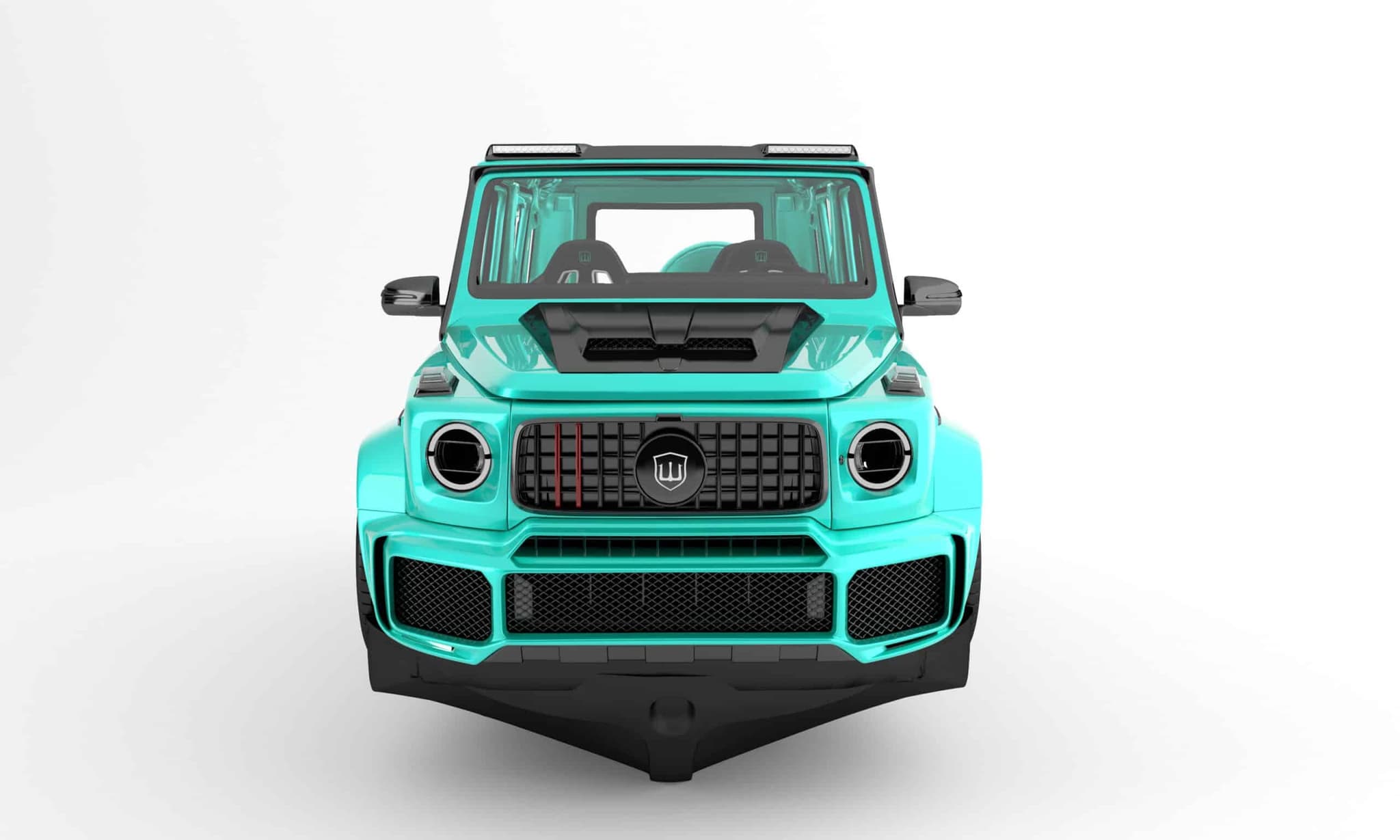 $98,000
WBC Model MG
The definitive off-road legend now commands the open sea. Engineered for performance, designed for presence, and crafted to carry up to six in uncompromising luxury.
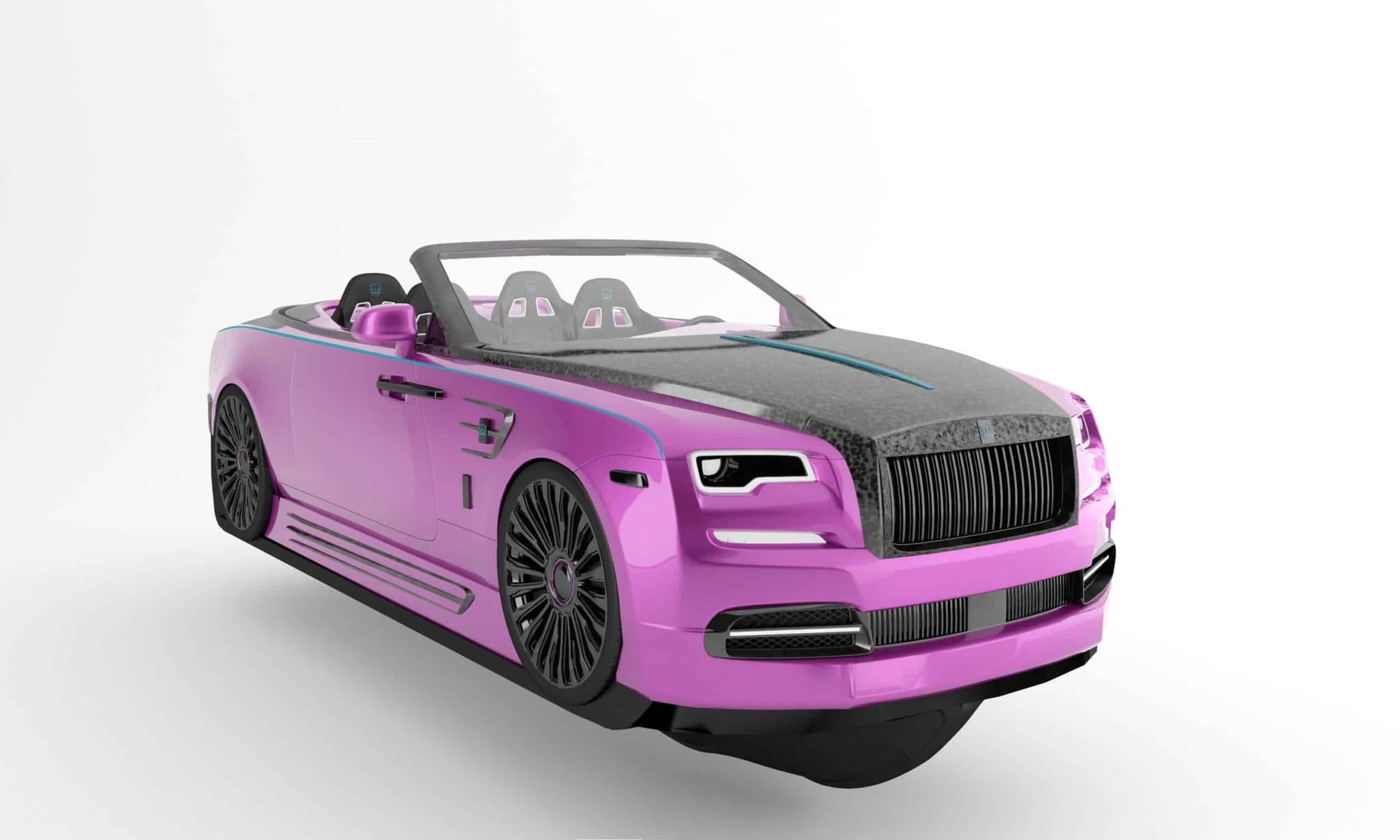 $84,000
WBC Model RR
Crafted for those who refuse to arrive unnoticed. A presence worthy of royalty. A statement beyond status.
 $82,000
WBC Model LA
The pinnacle of super sports performance — now reborn on water. Where Italian passion fuels pure speed.
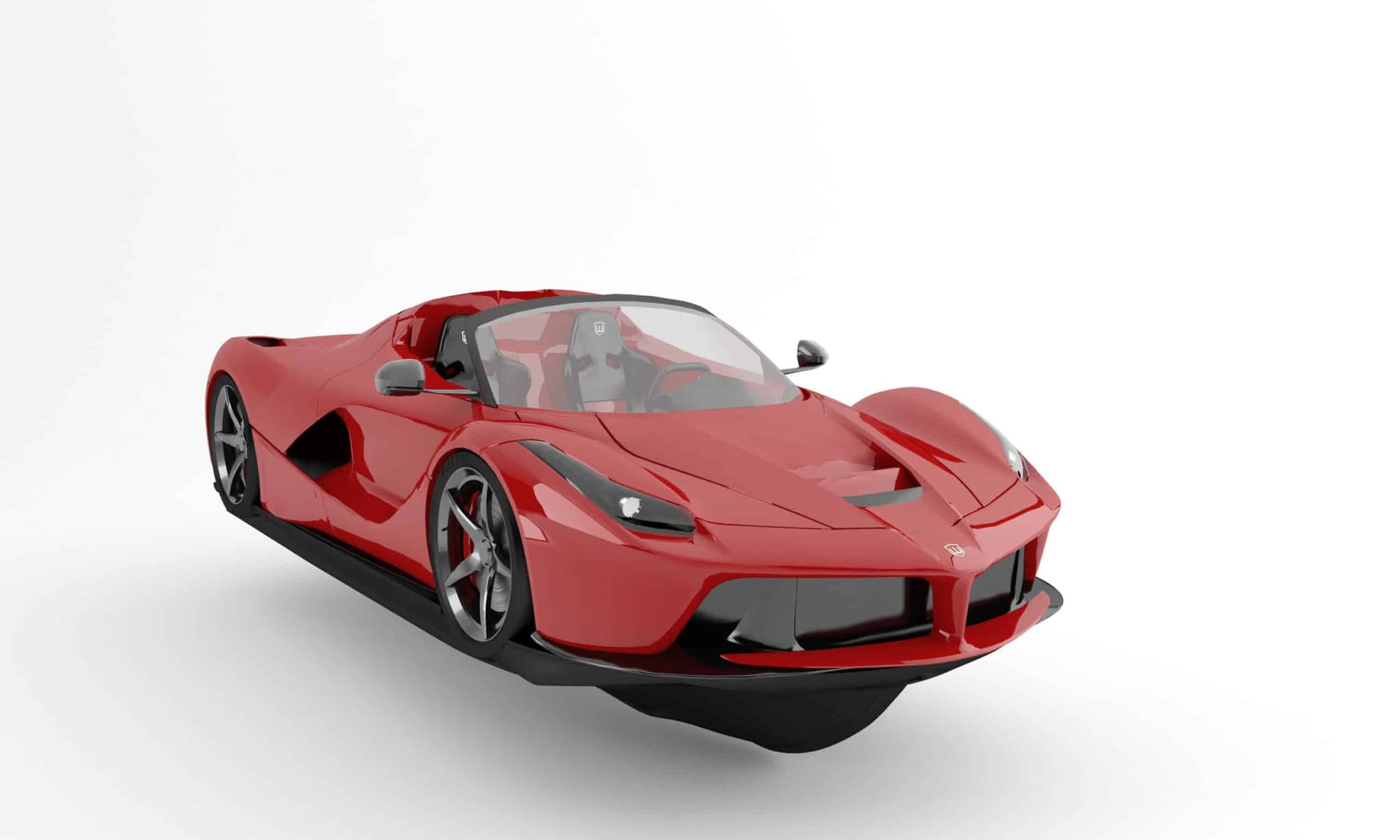 $82,000
WBC Model FLF
Unmatched speed. Now unleashed on water. Driven by Italian passion, engineered for pure performance.
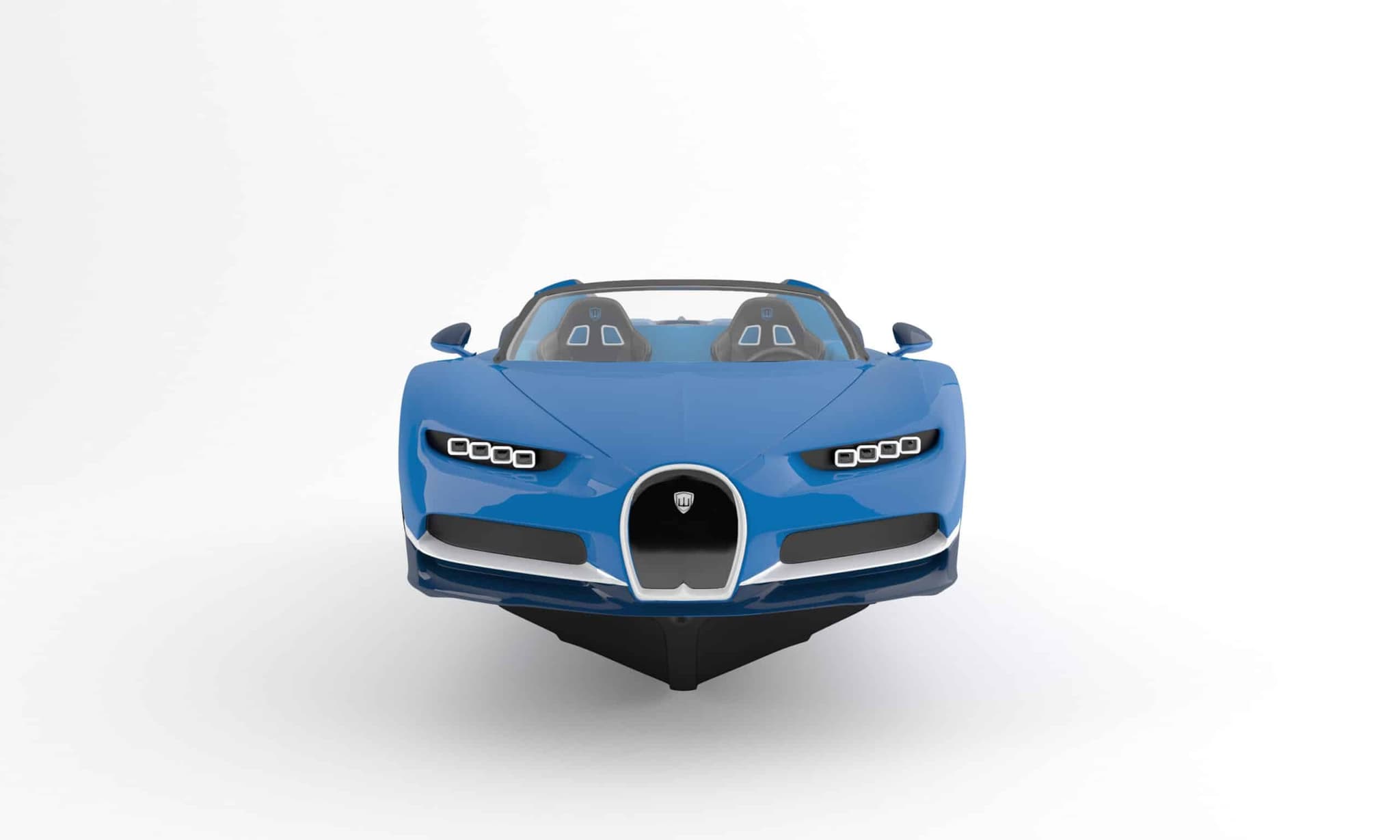 $90,000
WBC Model B
The ultimate expression of performance. When only the absolute best will do, this machine delivers beyond limits.
Keep reading
Related guides that answer the next questions most buyers ask.
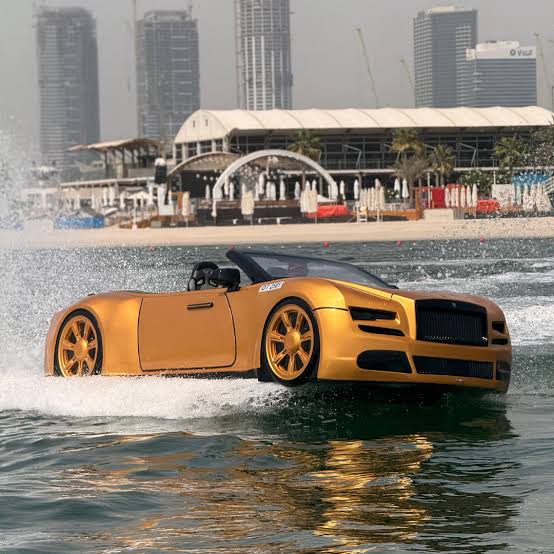
How Much Does a Jet Car Cost? | WaterBoatCar
See starting prices for every WaterBoatCar jetcar model, what is included, and which features affect the final cost of a custom build.
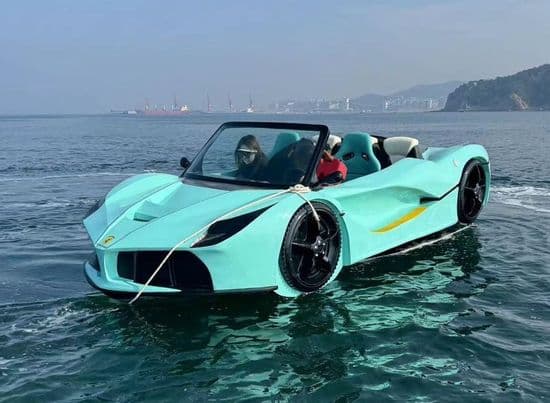
Jetcar Maintenance Costs | WaterBoatCar
Owning a WaterBoatCar jetcar involves marine maintenance costs similar to any high-performance personal watercraft — here's what to budget for.
Can You Finance a Jet Car? | WaterBoatCar
Yes — WaterBoatCar buyers can explore marine financing options for their luxury jetcar. Here's how financing luxury watercraft typically works.
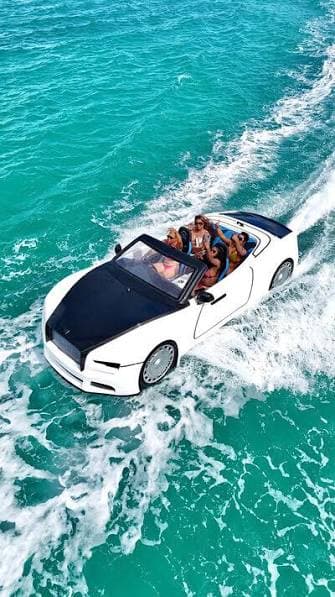
Is It Legal to Own a Jet Car? | WaterBoatCar
Yes, owning a WaterBoatCar jetcar is completely legal — here's the important difference between simply owning one and being licensed to operate it.
Where Should You Keep Your Jet Car? | WaterBoatCar
Compare trailer, marina, and indoor storage options for your jetcar, with practical guidance for climate, access, and maintenance.
Ready to configure your jetcar?
Choose your model, colours, interior and branding, then submit your build for a confirmed quote and production timeline.