Is It Legal to Own a Jet Car? | WaterBoatCar
Yes, owning a WaterBoatCar jetcar is completely legal — here's the important difference between simply owning one and being licensed to operate it.
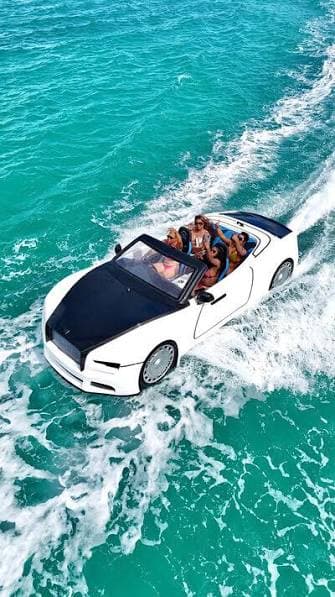
Is it legal to own a jet car? The answer is an unambiguous yes — owning a WaterBoatCar jetcar is completely legal, in exactly the same way that owning any personal watercraft, powerboat, or yacht is legal. There is no special permit, no restricted ownership category, and no regulatory grey area around the purchase itself. That said, there is an important distinction between simply owning the vessel and being properly authorised to operate it on public waterways — and the two get confused often enough that both deserve a clear explanation.
Ownership: straightforward and unrestricted
Purchasing and taking legal possession of a WaterBoatCar jetcar involves no special restriction beyond the standard process any high-value watercraft purchase involves:
- Configure your model through our configurator
- Confirm pricing and specifications through the quote process
- Complete the transaction
- Take delivery
There is no special ownership licence required, no government approval process for the purchase itself, and nothing about the automotive-inspired design that creates any additional legal complexity for ownership. This part of the process is genuinely no different from buying a luxury powerboat or a premium personal watercraft.
If you are researching whether there is some regulatory barrier to owning a jetcar in your country or state, the honest answer is: there is not. Ownership is unrestricted.
Operation: where actual requirements kick in
The requirements that do matter are not about ownership — they are about legally operating the vessel on public waterways. Depending on your state or country, this typically includes:
Vessel registration. Most jurisdictions require powered watercraft to be registered with the relevant marine or boating authority. This is the equivalent of registering a car — it gives the vessel a legal identity and number. Registration is usually renewed annually or every few years.
Boater safety education. Many US states require operators to complete a boater safety course before operating a powered vessel. Requirements vary significantly:
- Some states require it for all operators regardless of age
- Others require it only for operators born after a specific year (often the early-to-mid 1980s)
- A few states have minimal formal requirements
- Requirements often differ for vessels above a certain horsepower threshold
Safety equipment aboard. Standard requirements include life jackets for every passenger, navigation lights for low-visibility operation, a fire extinguisher, and a sound-signalling device. These are the same requirements that apply to any powered watercraft.
None of these requirements exist because a WaterBoatCar jetcar is unusual or restricted. They apply to any powered watercraft — traditional boats, jet skis, or our models — as standard practice. The jetcar's automotive-inspired design has no bearing on any of them.
Ownership vs operation: a practical comparison
| Requirement | Ownership | Operating on public water |
|---|---|---|
| Purchase process | Standard (configure, quote, buy) | Not applicable |
| Ownership licence | None required | Not applicable |
| Vessel registration | Not required just to own | Required in most jurisdictions |
| Boater safety course | Not required just to own | Required in many states |
| Safety equipment | Not required just to own | Required when operating |
| Age restriction | Generally none for purchase | Minimum ages apply in most places |
| International restriction | Generally none | Varies by country |
The clearest analogy is owning a car before you have a driver's licence. It is legal to own a car without being a licensed driver — you just cannot legally drive it on public roads until you hold the relevant licence. The same logic applies here: you can legally own a WaterBoatCar jetcar before completing boater education or registration, but you should not operate it on the water until you have met your jurisdiction's requirements.
How we handle this with every buyer
Our team walks every new owner through exactly what their specific state or country requires as part of the delivery process. This is not left for you to research independently. Guidance includes:
- Where to complete boater safety certification if required in your state
- How and where to register the vessel with your marine authority
- What safety equipment you will need aboard before your first outing
- Any specific local requirements for your waterway or region
This support is part of what buying direct from WaterBoatCar means in practice. You are not handed a vessel and left to navigate registration and licensing requirements on your own.
US state requirements: the general pattern
While requirements vary and our team confirms the exact requirements for your specific state, the general pattern across US states is:
- Vessel registration: Required in virtually all states for motorised watercraft above a minimum size
- Boater education: Required for most operators in most states (specific birth-year thresholds vary)
- Operator age minimums: Most states set a minimum age for solo operation of powered vessels
- Safety equipment: Life jackets, fire extinguisher, sound device, and navigation lights are standard requirements
A few states have more extensive requirements; a few have lighter ones. The practical implication for most US buyers is that completing a boater safety course — which is often available online in a few hours — and registering the vessel with the state are the two main steps before getting on the water.
International buyers: the same pattern in different form
Outside the US, requirements follow the same general structure: ownership itself is unrestricted, while operating the vessel on public waterways requires registration with the relevant national or regional marine authority and often a boating licence or certification specific to that country.
Our team has supported buyers through this process in multiple international markets — including the UAE, UK, Europe, and the Caribbean — and can advise on what applies specifically to your country. International delivery logistics and local licensing requirements are part of the conversation that starts when you submit through our Request & Configure page.
Pros and cons of the ownership and licensing process
Pros
- Ownership itself is completely unrestricted — no barriers to purchase
- Boater safety education is straightforward and often completable online
- Registration process is well-documented and our team guides you through it
- Requirements are the same as for any quality powerboat or jet ski — nothing unique to jetcars
- Once registered and licensed, operation is fully legal with no ongoing unusual compliance
Cons
- You should not operate on the water until registration and any required education are complete — this adds a short step between taking delivery and first use
- Requirements vary by state and country, so you need to confirm your specific requirements rather than assuming one universal rule
- Some international markets have more complex boating licence requirements than the US
A helpful reframe
If you are asking "is it legal to own a jet car," the answer is simply yes — full stop. The more practically useful question, and the one that actually determines what you need to do before getting on the water, is: what does my specific state or country require to legally operate a personal watercraft?
That is a question with a clear, well-documented answer in almost every jurisdiction, and it is exactly the one our team answers directly and specifically for every buyer during the delivery process.
What the registration and licensing process actually looks like
For a US buyer, the typical sequence after taking delivery is:
- Register the vessel with your state's boating authority — usually the Department of Motor Vehicles, Department of Natural Resources, or equivalent. You will need the bill of sale and hull identification number.
- Complete boater safety education if required in your state — online courses are available and typically take 3–6 hours.
- Obtain required safety equipment — life jackets for all passengers, fire extinguisher, sound device, and navigation lights.
- Display registration numbers on the hull as required by your state.
That is the entire process for most US buyers. It is not onerous, it is not unusual, and our team supports you through every step.
Boater safety education: what it involves and how to complete it
For buyers who are new to powered watercraft — or who have operated boats in the past but never formally completed a certified boater safety course — the education requirement is worth demystifying. It is not a significant barrier.
US boater safety courses are:
Often available completely online. The majority of US state-approved courses can be completed at your own pace via accredited online providers. The standard course takes most people between 3 and 6 hours and covers navigation rules, right of way, safety equipment requirements, emergency procedures, and boating under the influence laws.
Inexpensive. Online course fees are typically in the $25–$35 range — genuinely not a meaningful cost in the context of a vessel purchase.
Permanently certifying. Once you hold a boater safety certificate, you typically hold it for life — you do not re-certify every few years.
Practically useful. Beyond the regulatory requirement, the course content has real practical application: understanding navigation markers, right-of-way rules between different vessel types, and emergency protocols genuinely improves your experience and safety on the water.
Our team can point you toward the appropriate state-approved provider during delivery if you have not already completed certification by that point.
Understanding no-wake zones and waterway rules
Registration and education are the requirements to get on the water legally. Once there, operating the vessel legally requires understanding the basic rules of the waterway. These are not complex but they are worth being clear about for first-time marine operators:
No-wake zones. Most marinas, harbours, and navigable channels near populated areas post no-wake speed limits — typically 5 mph or less. These zones exist to protect other vessels, docks, swimmers, and shoreline from damaging wave action. No-wake zones are enforced by marine patrol officers and violations carry real fines.
Right of way rules. The ColRegs (International Regulations for Preventing Collisions at Sea) and US Inland Rules define right-of-way between different vessel types and in different encounter situations. Understanding the basics — which vessel yields in a crossing situation, how stand-on and give-way vessels should respond — is covered in any boater safety course.
Navigation lights. For operation during reduced visibility (dawn, dusk, fog, night), specific navigation lighting is legally required. Our team advises on what is required for your model and usage patterns.
Operating under the influence. BUI (Boating Under the Influence) laws apply to vessel operators with the same legal seriousness as DUI laws for road vehicles. The legal blood alcohol limit is the same in most states, and the consequences are equivalent. This applies regardless of the type of vessel.
None of these rules are burdensome once understood — they represent the same basic framework of courtesy, safety, and common sense that governs any shared-use environment. Experienced boaters find them as automatic as road traffic rules become for experienced drivers.
Insurance and legal protection: the connection
Vessel registration and operator licensing are the legal requirements. Marine insurance is not legally mandatory in most US states — but the practical case for it at this asset value is compelling and we cover it in full in our insurance guide.
From a legal-protection standpoint, marine liability insurance is particularly relevant: it covers your liability in the event of an incident on the water involving another vessel, a dock, or a third party. At the horsepower levels and speeds these vessels operate at, having proper liability coverage is simply responsible ownership.
The insurance conversation during delivery is separate from the registration and licensing conversation, but it completes the picture of what it means to be fully and properly set up to operate legally and responsibly. If you are also wondering whether a jetcar can be driven on the road, our road use guide covers that question directly.
Final thoughts
Owning a WaterBoatCar jetcar is completely legal everywhere we sell — there are no special ownership restrictions, no unusual regulatory barriers, and nothing about the design that creates any legal complexity for the purchase itself. The practical question every new owner should focus on is what their specific state or country requires to legally operate it — and that is exactly what our team walks through in detail with every buyer as part of the delivery process. Ownership is straightforward; operation just requires the same registration and education that any quality powered watercraft does.
Frequently Asked Questions
Is it legal to own a jet car?
Yes — owning a WaterBoatCar jetcar is completely legal, in exactly the same way owning any personal watercraft, powerboat, or yacht is legal. There is no special ownership license or permit required simply to own the vessel.
Do I need a license to own a jet car?
No license is required just to own one. Licensing requirements apply to operating it on public waterways — which varies by state and country — not to ownership itself.
Can I take delivery before completing boater safety certification?
Yes — ownership is not contingent on operation licensing. But you should complete any required certification before actually operating the vessel on the water.
Does every state require a boater safety course?
No — requirements vary. Some states mandate it for all operators, some only for those born after a certain year, and some have minimal formal requirements. Our team confirms the specifics for your state during delivery.
What if I move to a new state or country after purchase?
You will generally need to re-register the vessel with your new location's marine authority and confirm you meet their operator requirements — similar to re-registering a car or boat after a move.
Does financing change any legal ownership requirements?
No — financing affects the purchase transaction itself, not the separate registration and operator licensing requirements for using the vessel on the water.
Explore the models
Every WaterBoatCar jetcar is hand-finished to order. Tap a model to see specifications, gallery and pricing.
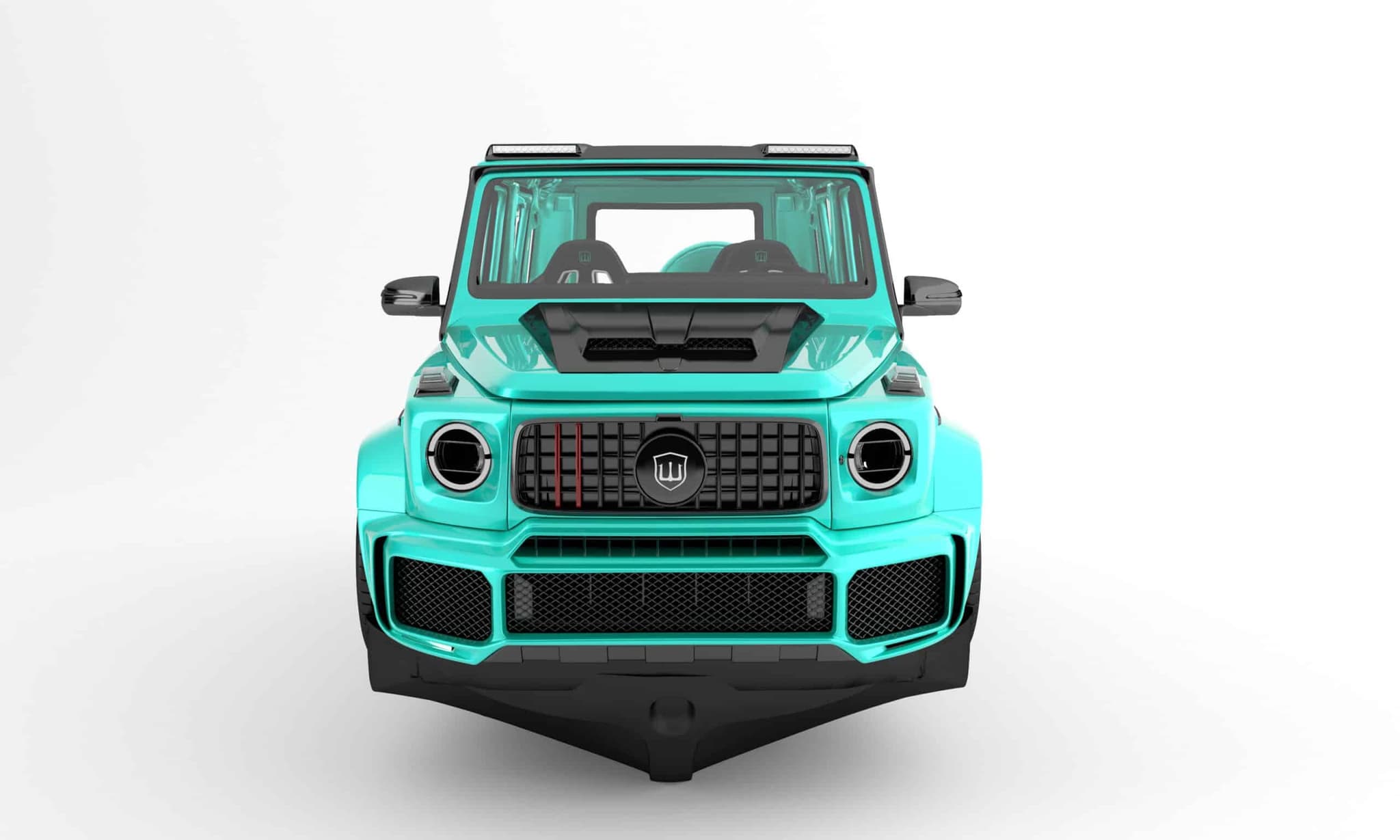 $98,000
WBC Model MG
The definitive off-road legend now commands the open sea. Engineered for performance, designed for presence, and crafted to carry up to six in uncompromising luxury.
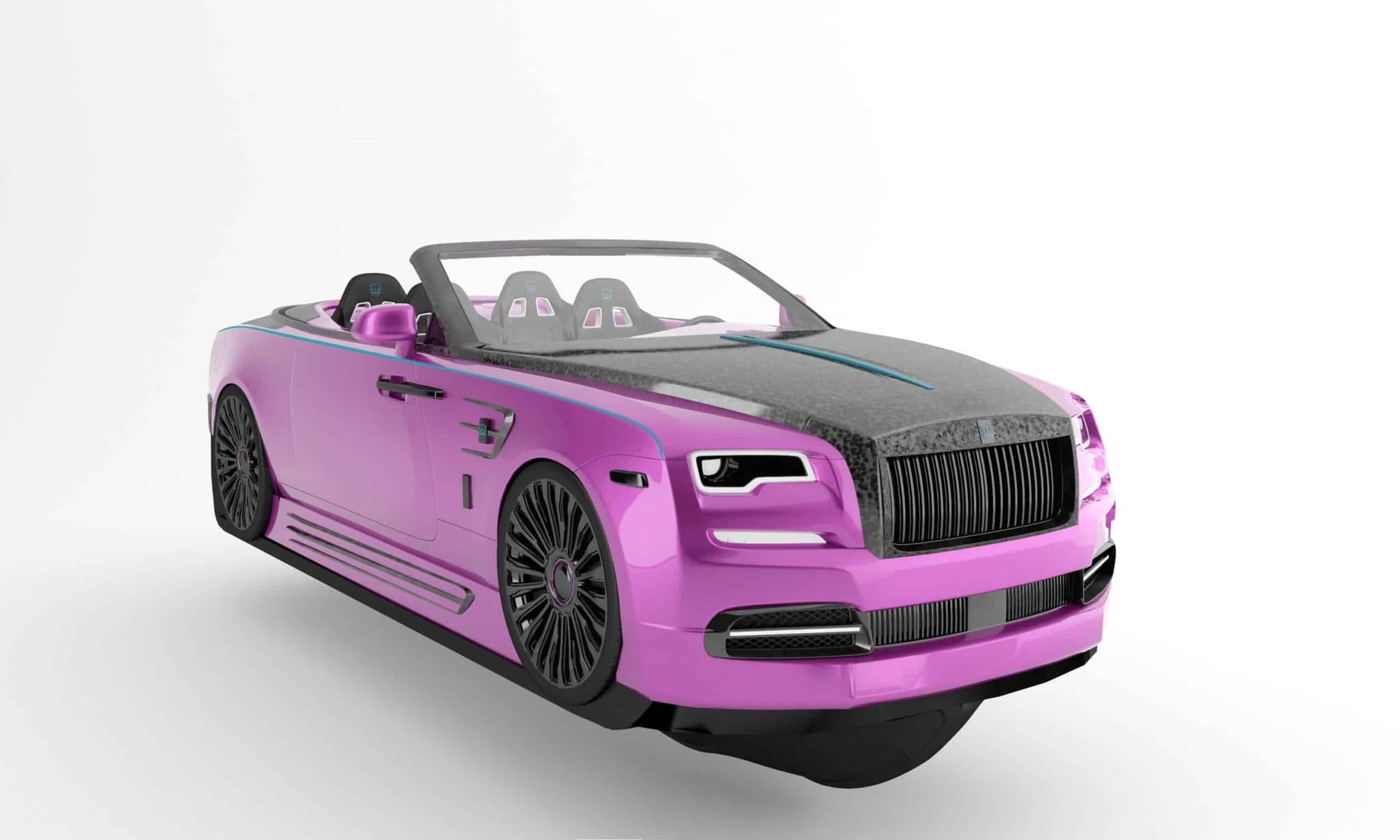 $84,000
WBC Model RR
Crafted for those who refuse to arrive unnoticed. A presence worthy of royalty. A statement beyond status.
 $82,000
WBC Model LA
The pinnacle of super sports performance — now reborn on water. Where Italian passion fuels pure speed.
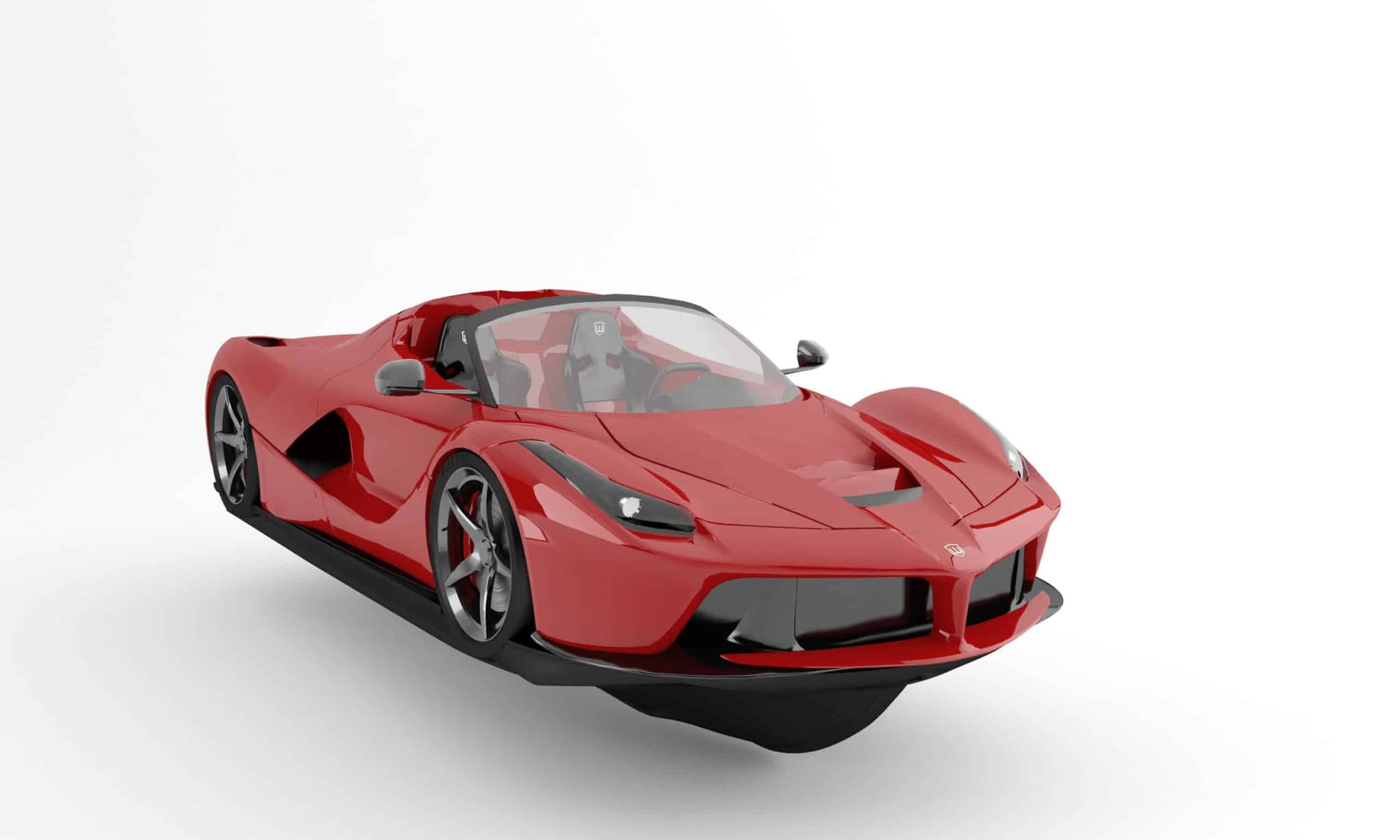 $82,000
WBC Model FLF
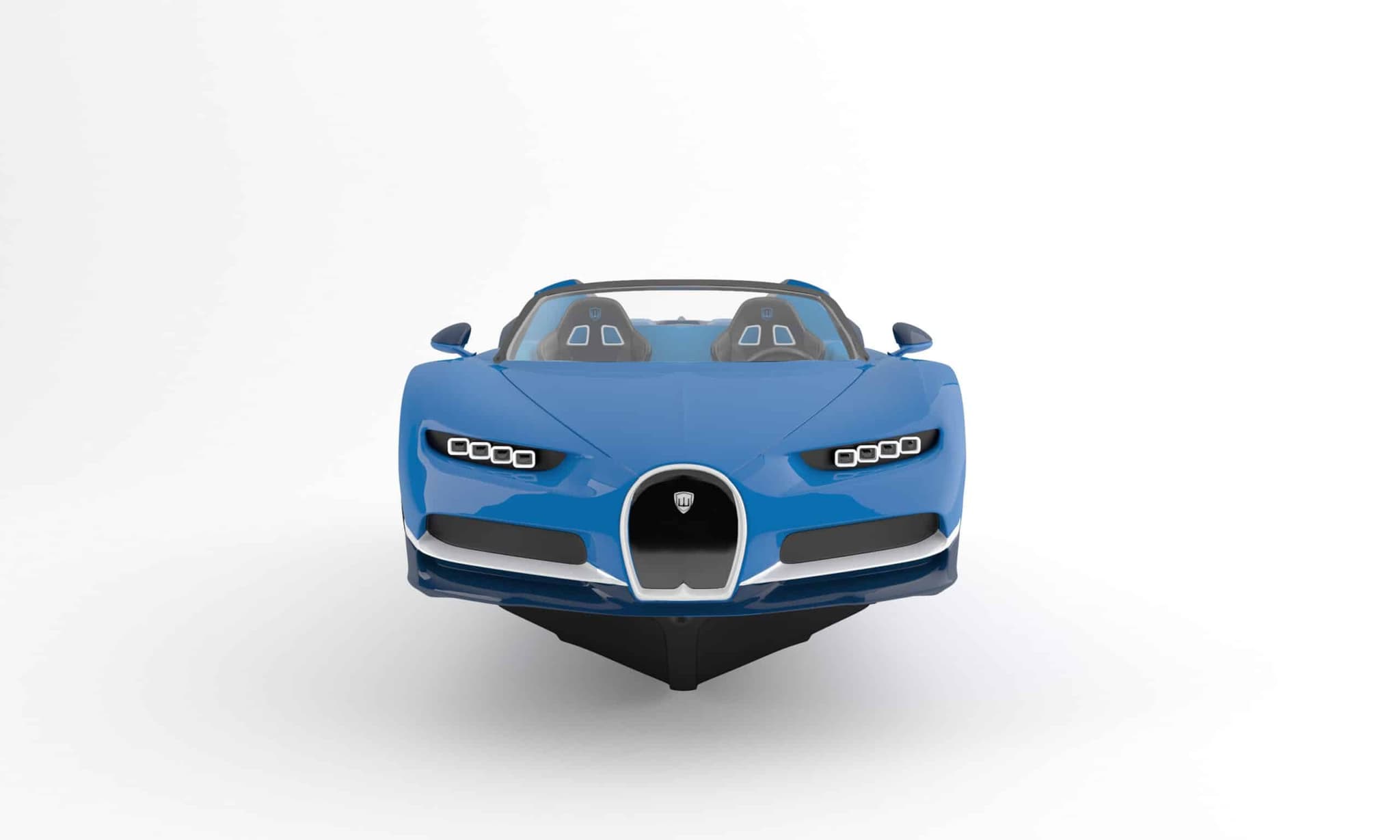
Unmatched speed. Now unleashed on water. Driven by Italian passion, engineered for pure performance.
 $90,000
WBC Model B
The ultimate expression of performance. When only the absolute best will do, this machine delivers beyond limits.
Keep reading
Related guides that answer the next questions most buyers ask.
Are Jet Cars Street Legal? | WaterBoatCar
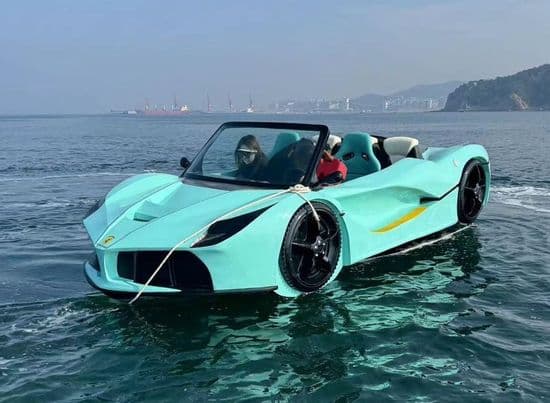
Understand jetcar classification, waterway rules, registration, licensing, and ownership requirements before your first outing.
Can You Drive a Jet Car on Roads? | WaterBoatCar
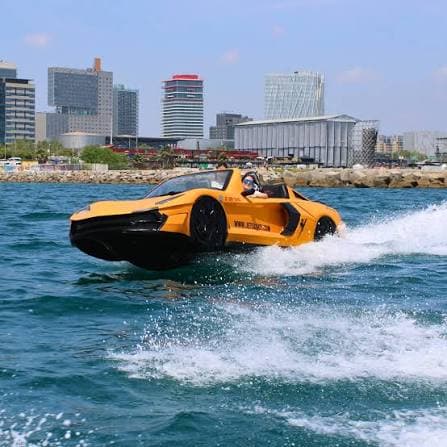
WaterBoatCar jetcars are built exclusively for water — learn why they cannot be driven on roads and how to transport one safely by trailer.
How to Operate a Jet Car | WaterBoatCar
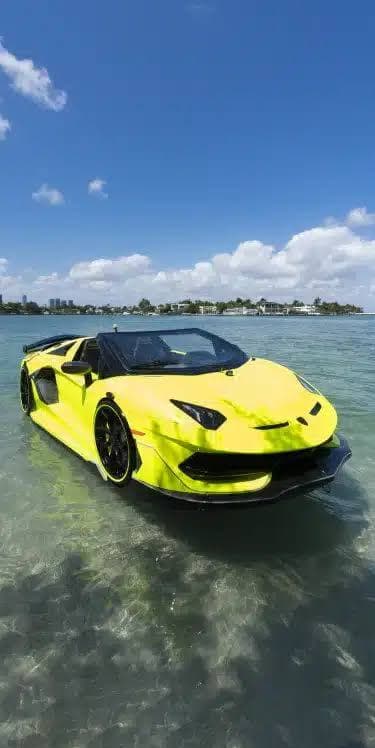
Learn jetcar safety certification, practical training, delivery orientation, and the preparation required before operating a WaterBoatCar.
Jet Car Insurance — What Coverage You Need and What It Costs
Learn how to insure a WaterBoatCar jetcar, including marine coverage, expected costs, documentation, and preparation before launch.
Where Can I Buy a Jet Car? | WaterBoatCar
WaterBoatCar jetcars are sold directly through our configurator and quote request system — here's exactly how to start the process.
Ready to configure your jetcar?
Choose your model, colours, interior and branding, then submit your build for a confirmed quote and production timeline.