How to Operate a Jet Car | WaterBoatCar
Learn jetcar safety certification, practical training, delivery orientation, and the preparation required before operating a WaterBoatCar.
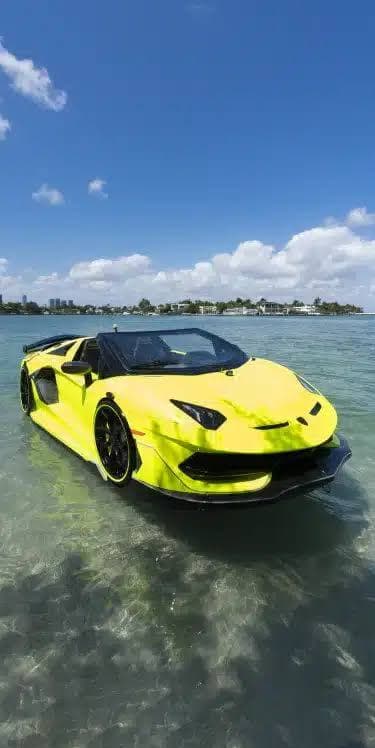
Learning to operate a WaterBoatCar jetcar involves three things: a standard boater safety certification (required in most US states and many countries), hands-on practice with jet propulsion handling in calm water, and the model-specific delivery orientation our team provides with every build. None of this is difficult — most new owners feel genuinely confident within their first few outings — but it is different from driving a car, and understanding how before you launch makes the learning curve much shorter.
Step 1: Complete a boater safety certification
Most US states require a boater safety certificate to legally operate a powered personal watercraft on public waterways. Requirements vary — some states mandate it for all operators regardless of age, others only for those born after a specific year — but the practical recommendation is to complete one regardless of whether your state strictly requires it.
What the course covers:
- Navigation markers and their meanings
- Right-of-way rules between different vessel types
- Required safety equipment and how to use it
- Emergency procedures and distress signalling
- Boating under the influence laws
What it involves practically:
- Available entirely online in most US states
- Typically 3–6 hours at your own pace
- Cost: approximately $25–$35 at accredited providers
- Certification is permanent — no renewal required once complete
Reputable US online providers include BoatUS Foundation and NASBLA-approved state programs. Outside the US, equivalent national programs exist in Canada (Pleasure Craft Operator Card), the UK (RYA Day Skipper), and most European countries through their national maritime authorities.
Our team confirms the specific requirement for your state or country during the delivery process, so you will know exactly what applies to you before your first outing.
Step 2: Understand what is different about jet propulsion
Before your first time on the water, understanding the key ways a jet-propelled vessel handles differently from both a car and a traditional propeller-driven boat saves significant adjustment time.
Steering at low speed requires forward thrust
Jet propulsion steers by redirecting the thrust nozzle. At speed, this is immediate and responsive. At very low speeds or when the throttle is cut entirely, steering authority reduces because there is less water flowing through the system. This means maneuvering in tight spaces — a marina channel, near a dock — requires carrying just enough throttle to maintain steerage rather than dropping to zero and drifting. New operators who expect car-like steering at any speed will find this requires adjustment.
Stopping uses reverse thrust, not brakes
There is no friction brake on a jet-propelled vessel. Deceleration comes from two sources: water resistance when you ease the throttle, and reverse jet thrust when you need to stop more actively or back up. Our dedicated guide on whether jet cars have brakes covers this mechanism in detail. The practical implication is that stopping requires more anticipation than car braking — you need to think about your stopping distance earlier, particularly at higher speeds.
Wind and current affect low-speed position
Unlike a car on pavement, a vessel at idle speed has no anchor to the surface — wind and current will push it in their direction. This becomes relevant in marinas, near docks, and in any confined space where you are moving slowly. Experienced marine operators account for this automatically; new operators need to develop the habit of reading how the environment is affecting the vessel and compensating with deliberate throttle inputs.
Step 3: Your WaterBoatCar delivery orientation
Every WaterBoatCar delivery includes a comprehensive, model-specific orientation from our team. This is not a generic boating safety briefing — it is a hands-on walkthrough specific to the model you have purchased, covering:
- Your model's handling characteristics and how they differ from others in the lineup
- Practical demonstration of stopping using reverse thrust at different speeds
- Low-speed maneuvering technique specific to jet propulsion
- Safety equipment location and use
- Starting procedure, engine monitoring, and basic operational checklist
- Salt water rinse procedure and basic post-outing care
First-time watercraft owners receive as much time and depth in this orientation as they need. Experienced boaters who are new to jet propulsion specifically receive focus on the handling differences. Our team will not put you on the water without being confident you understand how your specific vessel behaves.
Step 4: Build skill progressively in calm, open water
The most effective way to become a confident operator is a simple progression — and skipping steps is the most common source of frustration.
| Stage | Environment | Focus |
|---|---|---|
| First outing | Calm, open water — away from all traffic and obstacles | Get familiar with throttle response, acceleration, basic straight-line speed |
| Second and third outings | Same calm environment | Practice stopping at different speeds. Repeat until stopping distance feels accurate and instinctive |
| Fourth and fifth outings | Calm water with some space to maneuver | Practice turns at speed, low-speed steering with controlled throttle, approach and stop at a fixed point |
| Once genuinely comfortable | Move to more varied environments | Marina navigation, light traffic, variable conditions |
This progression looks slow on paper. On the water it moves quickly — most new owners find the early stages natural within their first outing, and the harder skill (accurate stopping distance) clicks within two or three focused practice sessions.
Prior experience and the learning curve
Different backgrounds produce different starting points, but no background — including extensive car driving — fully prepares someone for jet propulsion without hands-on time. Here is how different backgrounds translate:
No prior boating or vehicle experience: A clean slate — there are no conflicting instincts to unlearn. The learning curve is the same as it is for anyone, and the delivery orientation provides the starting framework.
Car and motorcycle experience: Throttle and speed management transfer well. The key adjustments are around stopping (no brakes) and low-speed steering (requires thrust). Most drivers make these adjustments within a single focused outing.
Jet ski or personal watercraft experience: Very transferable — the jet propulsion mechanism, reverse thrust braking, and low-speed handling are all essentially the same category. The main adjustment is scale and weight.
Traditional powerboat experience: Good boating fundamentals transfer directly. Jet propulsion handling differs from rudder-based steering and outboard reverse, but experienced boaters adapt quickly. The no-wake zone and marine navigation knowledge already in place is immediately applicable.
Common mistakes new operators make — and how to avoid them
Almost every new WaterBoatCar owner makes a version of these errors early on. Knowing them in advance is the most useful preparation:
Approaching a dock or stopping point too fast. The most common first-outing mistake. On water there is no equivalent of a firm stop — you need more space than your instincts suggest. The fix: practice deliberately at various speeds in open water until your distance intuition is accurate, then apply it to real-world approaches.
Cutting throttle completely in tight spaces. Steering authority depends on forward thrust. Dropping to zero throttle in a marina removes your directional control. Use brief, controlled low-throttle inputs to maintain steerage through confined areas.
Not wearing a life jacket because conditions look calm. Most recreational boating incidents happen in calm conditions when nobody was expecting anything to go wrong. Life jackets every time, regardless of conditions.
Skipping open-water practice and heading straight to a busy marina. A crowded marina is the worst place to learn the handling characteristics of any new vessel. Start simple. Build from there.
How the WaterBoatCar orientation fits into your total preparation
Think of the three components — boater safety certification, our delivery orientation, and your own progressive practice — as a pyramid. The certification provides the foundation: navigation rules, right of way, safety equipment, and legal knowledge. The delivery orientation builds on it with model-specific handling knowledge specific to your WaterBoatCar. Your own outings complete the structure with the practical instincts that only come from time on the water.
No single element substitutes for the others. The certification without handling knowledge leaves gaps in practical skill. The orientation without certification leaves gaps in rules and safety awareness. Neither substitutes for actual time on the water building instincts. Together they produce a confident, capable, safe operator.
Pros and cons of the certification and training path
Pros
- Boater safety certification is inexpensive, online, and permanent once complete.
- Jet propulsion handling adjustments are modest and fast to develop.
- WaterBoatCar's delivery orientation is tailored to your specific model, not generic.
- Most new owners describe the learning process as enjoyable rather than daunting.
- Jet propulsion has no exposed propeller, which removes one of the most serious handling-mistake hazards of propeller-driven vessels.
Cons / things to plan for
- Some states require certification before legal operation — plan this during the production period, not after delivery.
- Low-speed maneuvering in confined spaces requires genuine practice time — it is the skill that differentiates comfortable marina operation from stressful marina operation.
- Car-only experience does not transfer as directly as many drivers expect.
Final thoughts
Learning to operate a WaterBoatCar jetcar means completing a boater safety certification (typically online, a few hours, under $40), attending your model-specific delivery orientation from our team, and building your practical handling skills progressively in calm, open water. Most new owners describe the process as short, enjoyable, and confidence-building within the first few outings. Our team treats the delivery orientation as the start of your support relationship, not the end of it — if questions come up after you have been on the water a few times, we are available. Read our jet car safety guide for the full practical preparation picture before your first outing.
Frequently Asked Questions
Do I need a special license to operate a WaterBoatCar jetcar?
No special jetcar license exists. What is required is whatever boating education certificate your state or country mandates for personal watercraft operators — which is the same requirement that applies to any jet ski or powerboat. Many states require a one-time boater safety certification course.
How long does a boater safety certification course take?
Most US state-approved boater safety courses are completable online in 3–6 hours, cost $25–$35, and certify you permanently with no renewal required. The course covers navigation rules, right of way, safety equipment, and emergency procedures.
Is operating a jet car difficult to learn for a first-time boater?
No — most new owners describe the learning curve as short and enjoyable. The main adjustments coming from car driving are around steering at low speed and stopping distance, both of which become instinctive within the first few outings.
What is the single most important skill to practice as a new operator?
Stopping distance management. On water there is no friction brake — deceleration relies on water drag and reverse jet thrust. Practicing deliberate stops at different speeds in open water, until your instinct for required stopping distance is accurate, is the highest-value practice any new operator can do.
Does WaterBoatCar provide any training or orientation?
Yes — every WaterBoatCar delivery includes a comprehensive orientation on your specific model's handling characteristics, jet propulsion stopping and steering, safety equipment, and any model-specific handling differences. This is part of the delivery process, not an optional extra.
How many outings does it typically take to feel genuinely confident?
Most new owners report feeling genuinely comfortable within 3–5 outings of deliberate practice in calm, uncrowded water. Existing boating experience shortens this significantly; car-only experience means the learning involves a genuine adjustment to different handling principles.
Explore the models
Every WaterBoatCar jetcar is hand-finished to order. Tap a model to see specifications, gallery and pricing.
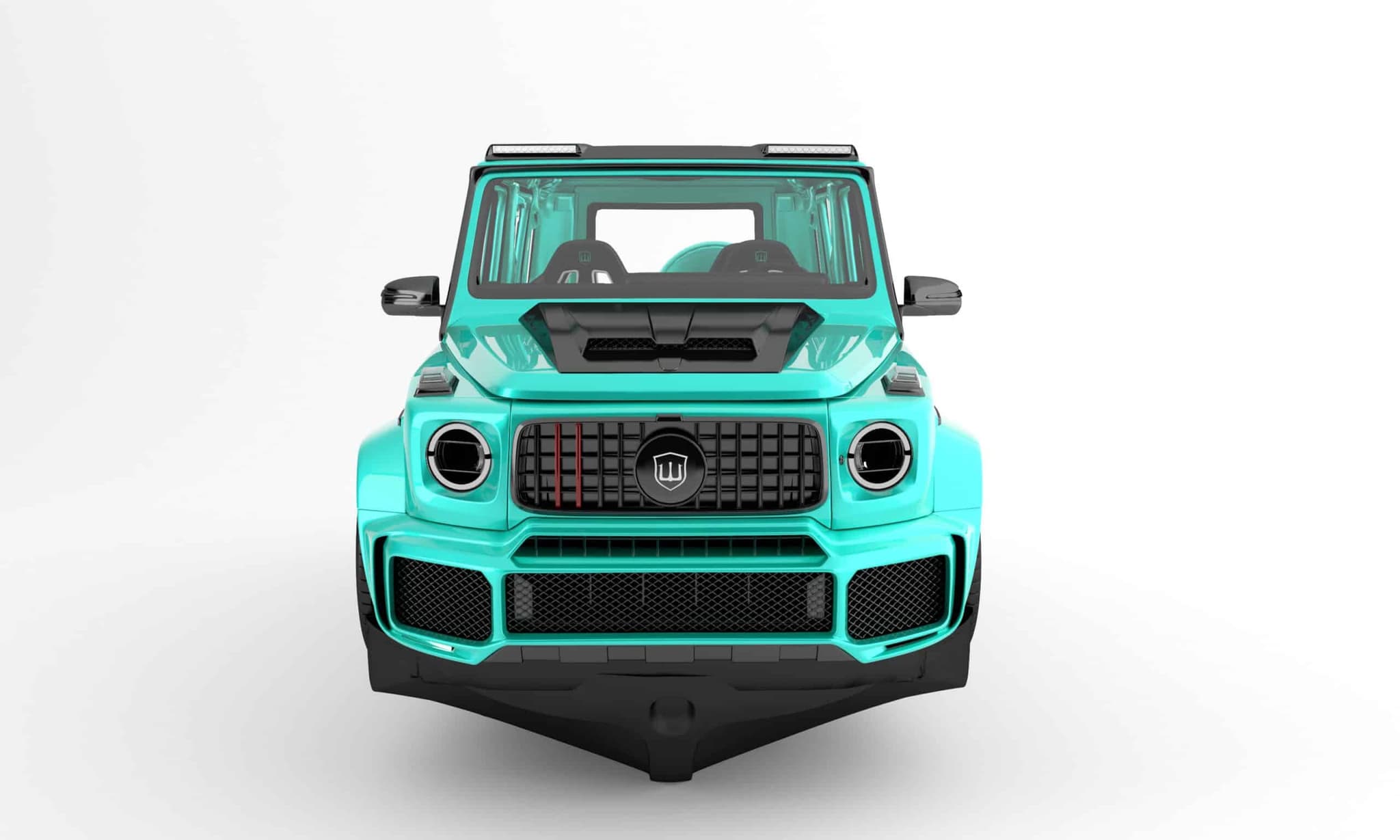 $98,000
WBC Model MG
The definitive off-road legend now commands the open sea. Engineered for performance, designed for presence, and crafted to carry up to six in uncompromising luxury.
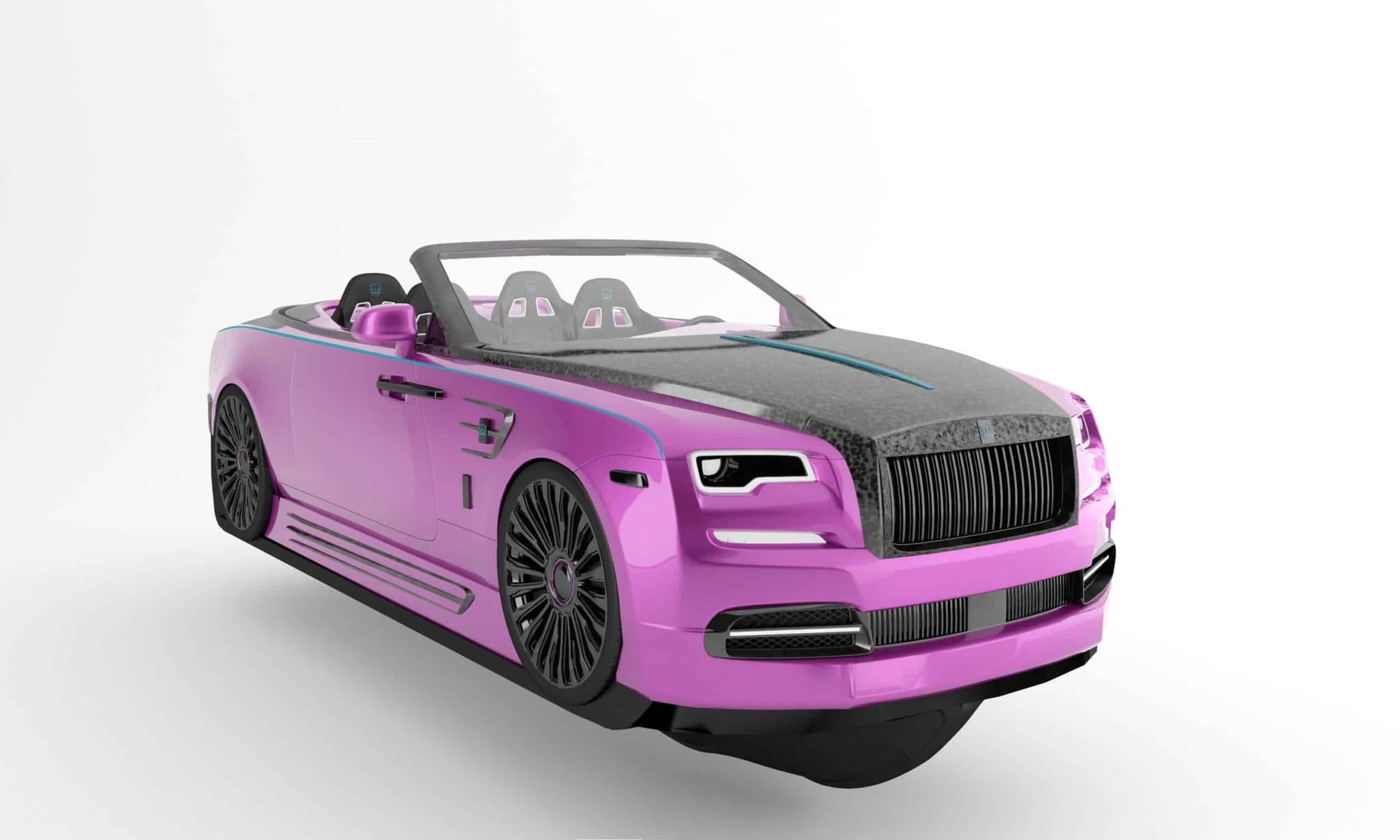 $84,000
WBC Model RR
Crafted for those who refuse to arrive unnoticed. A presence worthy of royalty. A statement beyond status.
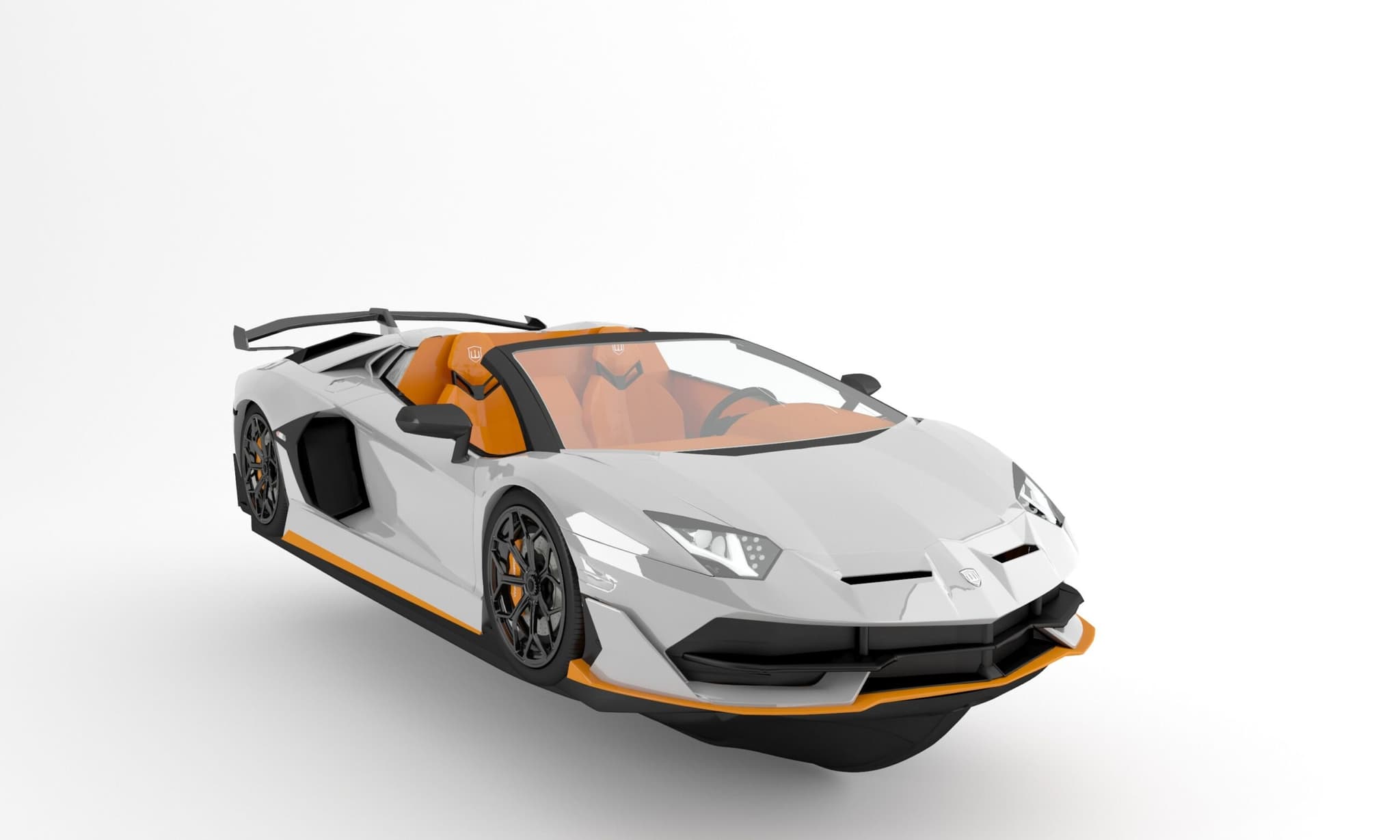 $82,000
WBC Model LA
The pinnacle of super sports performance — now reborn on water. Where Italian passion fuels pure speed.
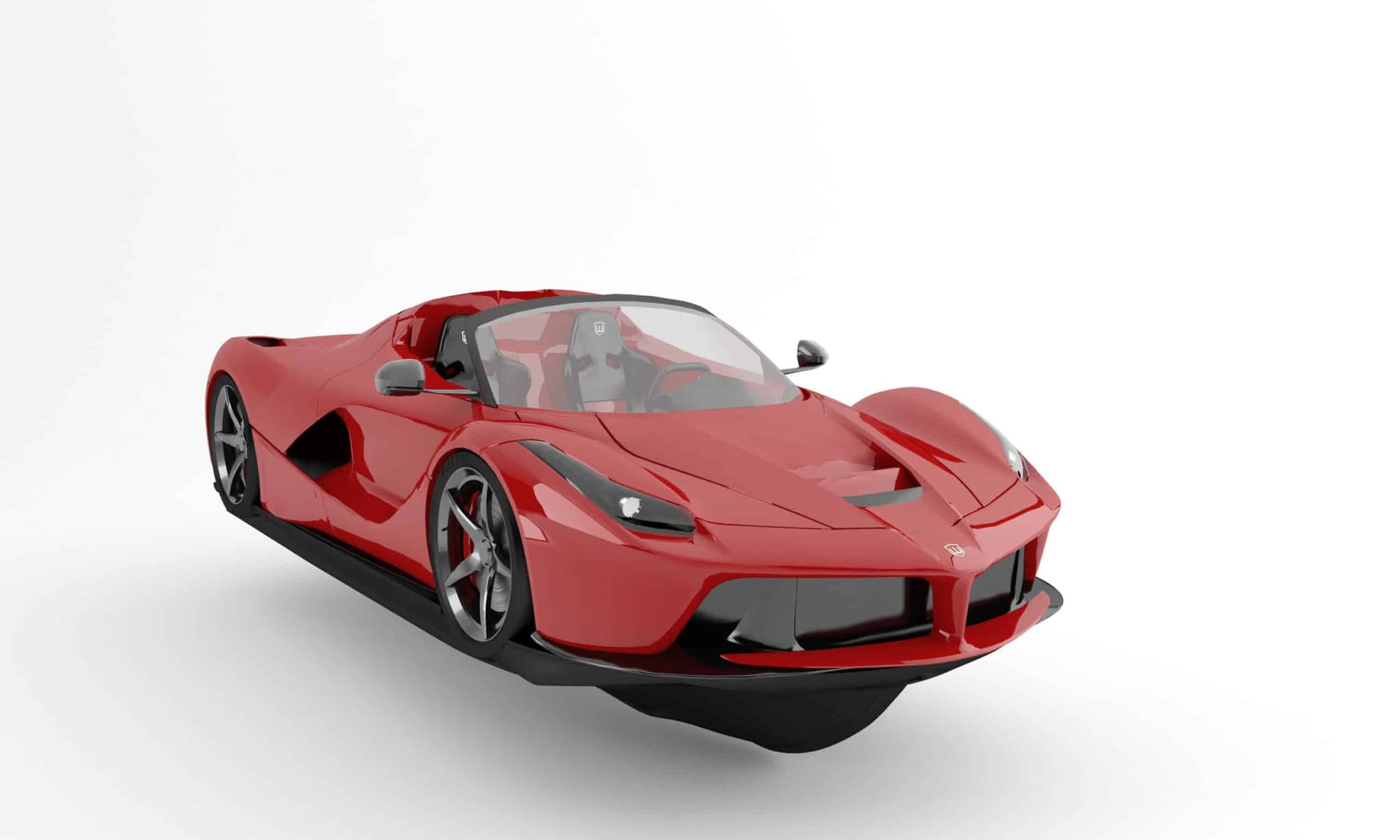 $82,000
WBC Model FLF
Unmatched speed. Now unleashed on water. Driven by Italian passion, engineered for pure performance.
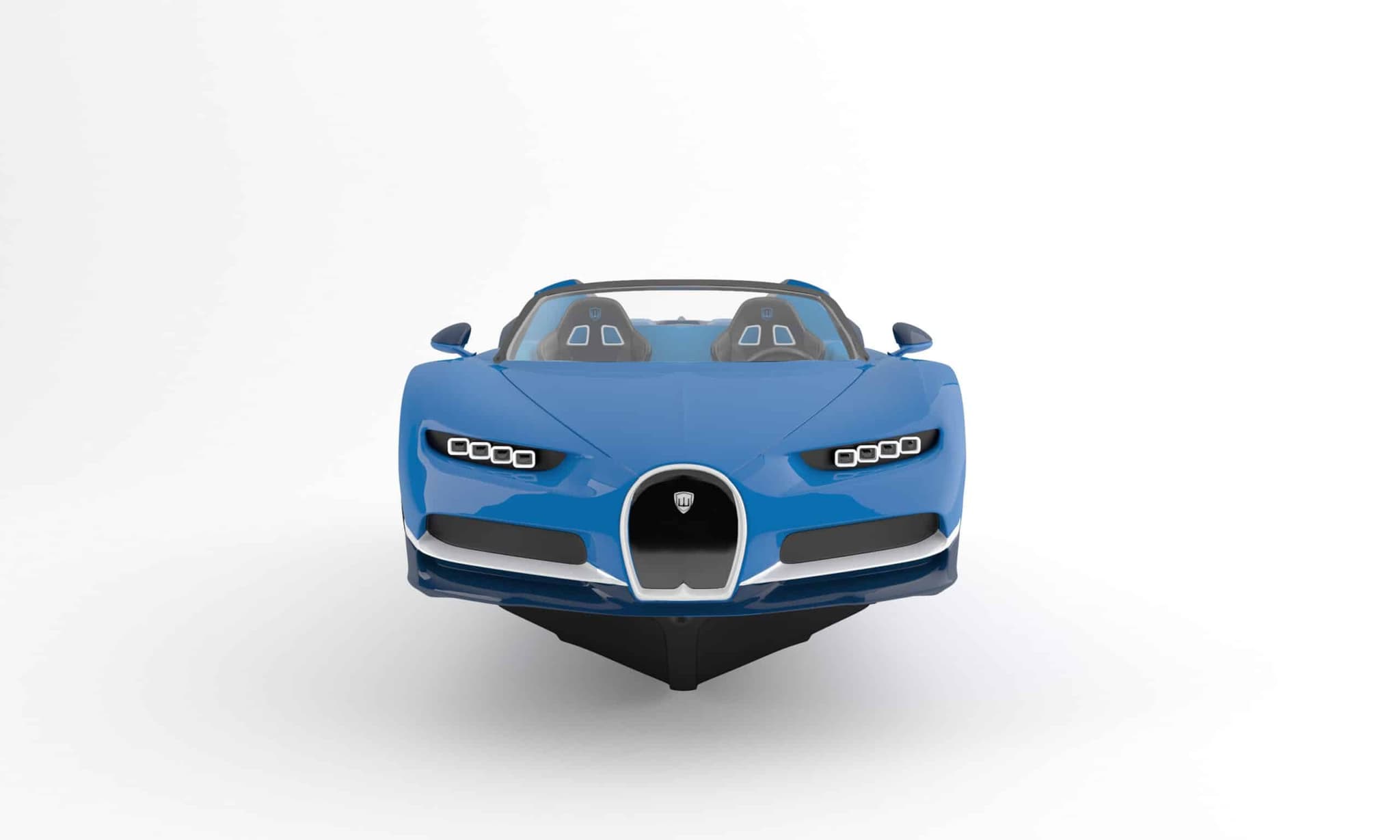 $90,000
WBC Model B
The ultimate expression of performance. When only the absolute best will do, this machine delivers beyond limits.
Keep reading
Related guides that answer the next questions most buyers ask.
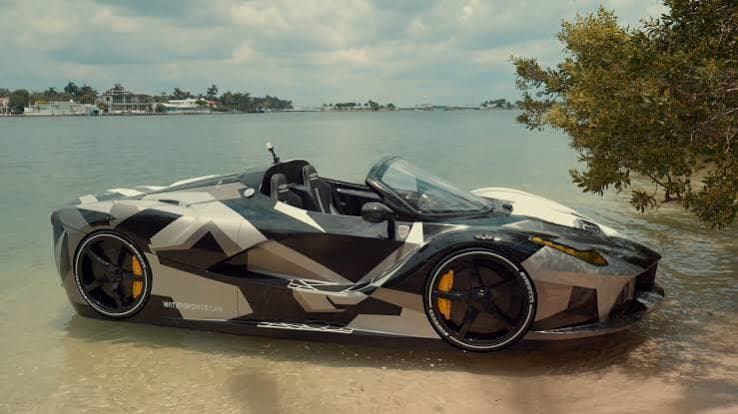
How Safe Are Jet Cars? | WaterBoatCar
WaterBoatCar jetcars are built with marine-grade safety features — from enclosed cabin protection to jet propulsion designed without exposed propellers.
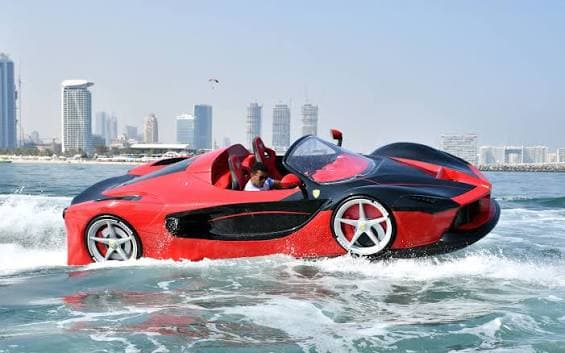
Do Jet Cars Have Brakes? How Stopping Works on Water
WaterBoatCar jetcars don't use traditional brakes — here's how jet-propelled watercraft actually slow down and stop on the water.
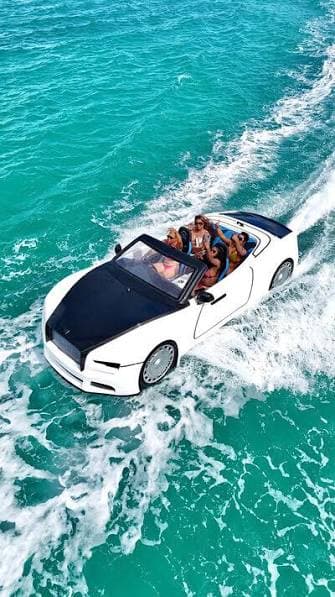
Is It Legal to Own a Jet Car? | WaterBoatCar
Yes, owning a WaterBoatCar jetcar is completely legal — here's the important difference between simply owning one and being licensed to operate it.
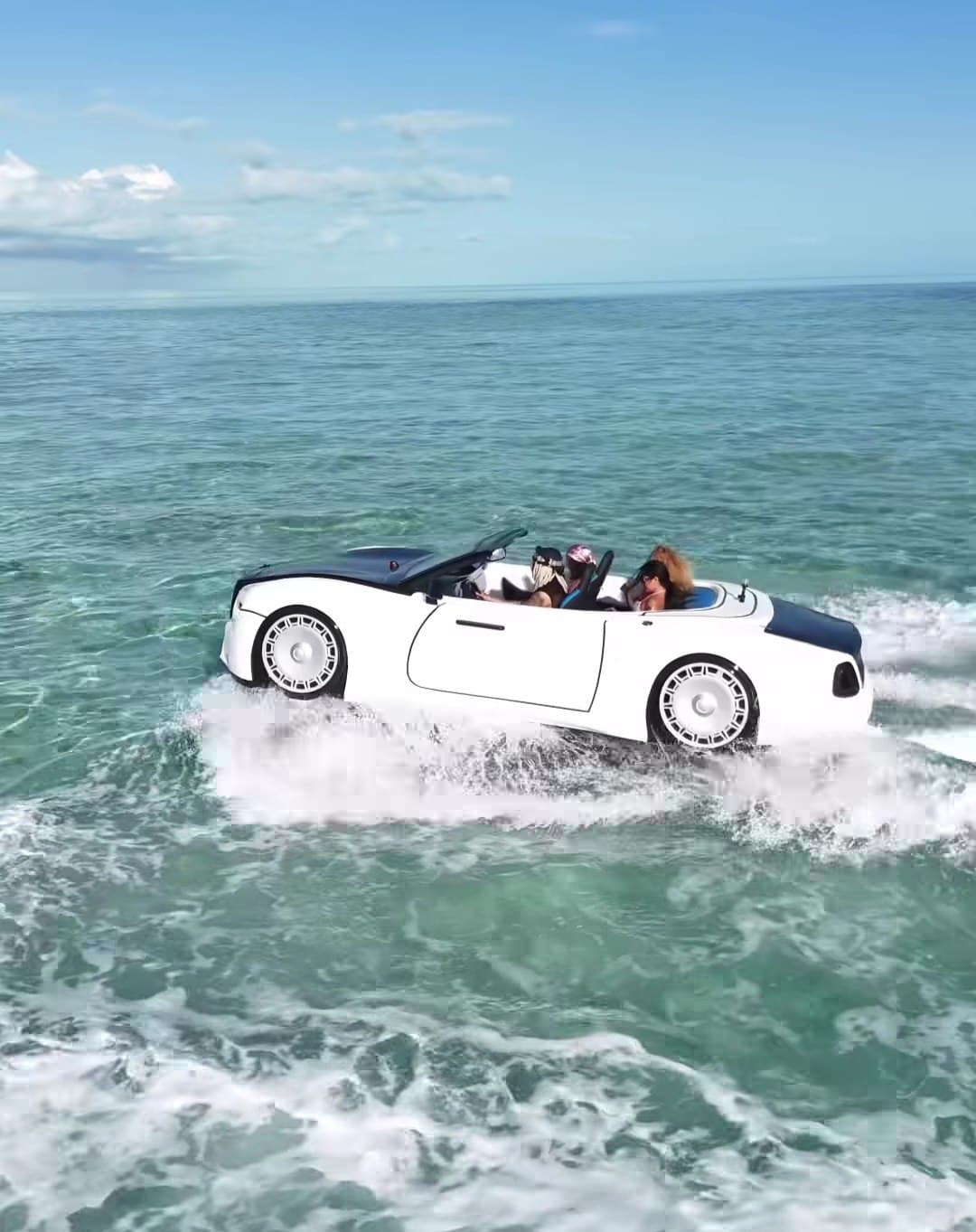
Jet Car Safety Guide | WaterBoatCar
A practical safety guide for new WaterBoatCar owners — from required gear to smart on-water habits before your first outing.
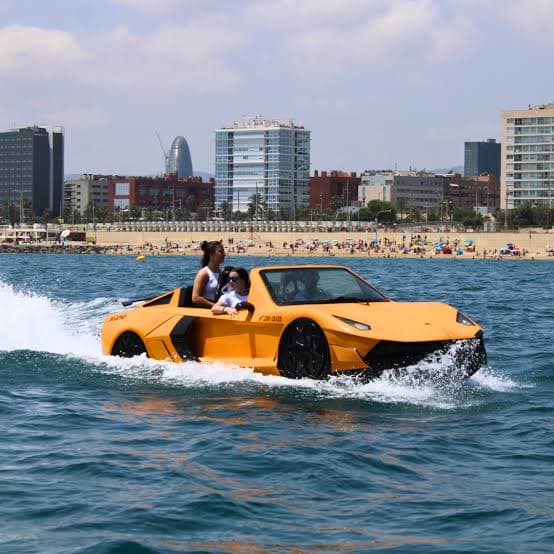
How Do Jet Cars Work? Jet Propulsion Explained
WaterBoatCar jetcars use marine jet propulsion, not propellers — here's how the technology actually moves you across the water.
Ready to configure your jetcar?
Choose your model, colours, interior and branding, then submit your build for a confirmed quote and production timeline.