Jet Car Safety Guide | WaterBoatCar
A practical safety guide for new WaterBoatCar owners — from required gear to smart on-water habits before your first outing.
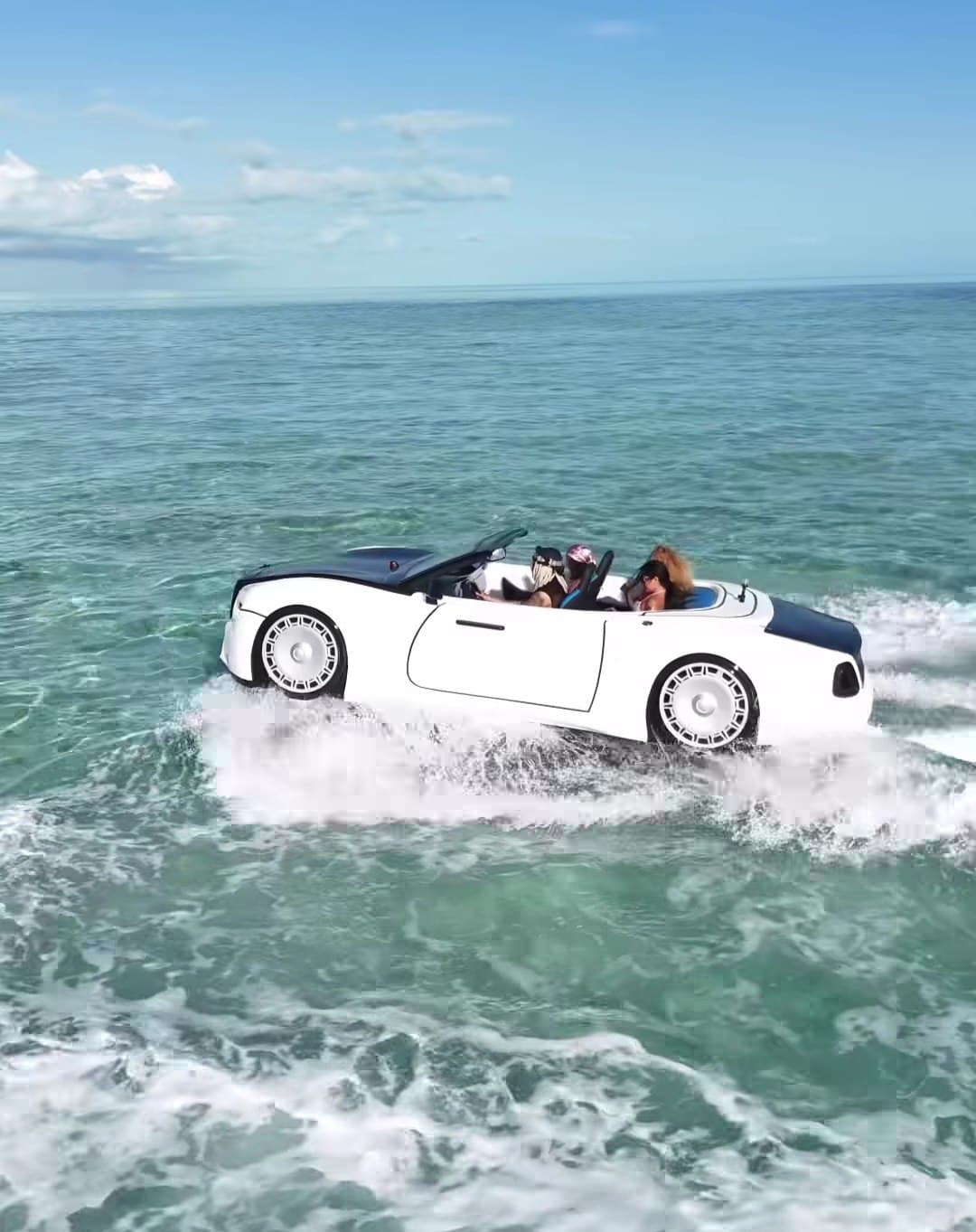
Jet car safety is the foundation every WaterBoatCar owner needs before their first outing — and unlike the engineering-level features covered in our how safe are jet cars guide, this article is practical and action-oriented: what you actually need to do, carry, and know before you launch for the first time.
Why jet propulsion changes the safety picture
Before getting into checklists and habits, it is worth understanding how jet propulsion differs from the outboard and sterndrive-powered vessels that most boating safety guidance is written around — because several key differences are directly relevant to safe operation.
No exposed propeller. This is the single most significant safety advantage. Propeller strikes are one of the most serious hazards in recreational boating — they can cause catastrophic injuries to swimmers, water-skiers, and anyone who falls overboard near a running engine. Jet propulsion draws water in from below the hull through an enclosed intake and expels it rearward — there is no blade rotating outside the hull. The risk of propeller-type strikes is eliminated.
Steering requires forward thrust. Jet-propelled vessels steer by redirecting the thrust nozzle, which means steering response is dependent on water flowing through the system. At very low speeds or when the throttle is cut entirely, steering authority reduces significantly. This is normal and expected, but first-time operators who are used to the steering of a car or a larger displacement vessel find it requires an adjustment in thinking.
Stopping uses reverse thrust, not brakes. There is no friction brake. Deceleration comes from cutting the throttle (letting water drag slow the vessel) and applying reverse thrust to come to a full stop or back up. Reverse thrust is effective, but it requires anticipating your stopping distance at higher speeds rather than braking sharply the way you would in a car.
Understanding these three characteristics before your first outing is not optional — they shape every handling decision you make once you are on the water.
Before you leave the dock: a non-negotiable checklist
This is not an exhaustive maritime checklist — it is the short version that covers what genuinely matters most for every single outing.
Life jackets for every person, every time. This is the single most important rule in recreational boating. A properly fitted USCG-approved life jacket — not a jacket that technically fits but is stored in a compartment unused — for every person on board, regardless of swimming ability, experience level, or how calm the conditions look. Drowning deaths in recreational boating are overwhelmingly associated with not wearing a life jacket. No exceptions.
Fire extinguisher. Required by law and genuinely essential. Inspect it before each outing to confirm it is charged and accessible.
Sound-signalling device. A horn or whistle — required equipment in most jurisdictions and practically important for signalling your position in fog, busy areas, or emergencies.
Navigation lights. If there is any chance you will be on the water near dusk, after dark, or in reduced visibility, your navigation lights must be functional and in use. Check them before departure.
Weather and water conditions. Check a current marine forecast specific to your planned waterway, not just a general weather app. Marine conditions can differ meaningfully from onshore conditions, and they can change faster than many new boaters expect. If the forecast shows deteriorating conditions, reschedule. It is always the right call.
Fuel check. Know your range and fuel level before you leave. Marine fuel gauges are approximate rather than precise — cross-reference with your time underway and throttle usage rather than relying on the gauge alone.
Pros and cons of jet propulsion from a safety perspective
| Safety factor | Jet propulsion | Propeller-driven outboard |
|---|---|---|
| Propeller strike risk | Eliminated (enclosed intake) | Present — serious injury risk |
| Low-speed steering | Reduced without forward thrust | Full steering at all speeds |
| Stopping distance | Requires anticipation; reverse thrust helps | Similar — throttle and drag |
| Intake debris | Shallow debris can clog intake | Propeller can strike and be damaged |
| Capsize recovery | Designated roll-back procedure | Varies by hull type |
| Safe around swimmers | Significantly safer | Requires careful distance management |
| Noise warning to others | Engine audible at operating speeds | Similar |
The overall safety picture strongly favours jet propulsion for most recreational use scenarios. The handling differences around steering and stopping are manageable with awareness and practice; the elimination of propeller strike risk is an unequivocal advantage that cannot be replicated on any outboard-powered vessel.
Getting comfortable with how your jetcar handles
The most common mistake new watercraft owners make — regardless of vessel type — is attempting complex manoeuvres in challenging environments before building basic comfort in simpler ones. Our specific recommendation:
Your first outing should be in calm, open water away from traffic. Not a busy marina channel, not a crowded anchorage, not a narrow waterway. Open, uncrowded water where you can practice acceleration, steering, deceleration, and stopping without any time pressure or nearby hazards.
Practice the full handling range deliberately. Not just full-throttle runs — practice low-speed manoeuvring, deliberate stops using reverse thrust, and turning at different speeds. These are the situations that matter most in real-world operation.
Understand your stopping distance at different speeds. This is the most important practical skill for safe operation. At low speed, the reverse thrust stops you quickly. At higher speeds, you need significantly more distance. Know your numbers before you are in a situation where they matter.
Build from calm to complex gradually. Open water first. Then more varied conditions. Then marinas and crowded areas once low-speed manoeuvring feels genuinely intuitive rather than effortful.
Boater safety education: why it matters even where it is not legally required
Our legal ownership guide covers the specific certification requirements for your state. Here we want to make the case for completing a certified boater safety course even in jurisdictions where your age group is not legally required to hold one.
The course content is genuinely useful for safe operation: navigation marker meaning, right-of-way rules between different vessel types, emergency procedures, and the specific laws governing BUI (Boating Under the Influence). None of this is automatically obvious from driving experience, and all of it is directly applicable to every outing.
Online-completable, $25–$35, approximately 3–6 hours. The investment-to-benefit ratio is genuinely hard to argue with.
Situational awareness on the water
Once you are comfortable with basic handling, the safety focus shifts to awareness in the shared waterway environment:
Reduce speed significantly around marinas, docks, and swimming areas. Wake damage to moored vessels and docks is a real liability issue and a violation of marina rules. No-wake zones are legal requirements enforced by marine patrol — the fines are real.
Give swimmers, paddlers, and small craft wide, generous berth. The jet propulsion's enclosed intake removes propeller strike risk, but your hull still presents a hazard to anyone in the water at speed. Err heavily on the side of distance.
Right-of-way rules are not suggestions. Knowing which vessel yields in a crossing situation, what a stand-on vessel's obligations are, and how to read the navigation lights of approaching vessels at night are skills that matter in every outing on a shared waterway.
Expect unexpected behaviour from others. Kayakers, paddleboarders, and inexperienced boaters may not follow right-of-way rules or may behave unpredictably. Defensive awareness — assuming others may not behave as expected — is standard practice among experienced operators.
What to do if conditions change while you are out
Conditions on the water change faster than many new boaters expect, and the prudent response is the same regardless of vessel type:
Reduce speed and head toward shore early. Do not wait until conditions are severe to start heading back. The moment conditions are deteriorating toward the edge of what is comfortable, begin your return. A vessel that can run at 50+ mph in calm water is very capable of getting you back quickly — use that capability proactively rather than reactively.
Make sure all life jackets are properly fastened. If they were stored rather than worn at the start of the outing, get them on properly before conditions worsen.
Use your navigation lights as soon as visibility reduces. Dusk comes faster than expected on the water. Do not wait until you are in genuine darkness to turn on your lights.
Tell someone your plan before you leave. This is simply a good habit: let a trusted person know your departure point, intended route, expected return time, and who to call if you are not back by then. For solo riders especially, this is standard responsible practice.
What WaterBoatCar provides at delivery — and what stays your responsibility
Every WaterBoatCar delivery includes a full safety and operation orientation covering your specific model's handling characteristics, safety equipment requirements, and the basics of jet propulsion operation. We cover the most common first-time-owner questions and make sure you leave the delivery with a clear picture of how to operate safely.
What we cannot do is substitute for the habits you build over your first outings. The engineering foundation is strong — no exposed propeller, stable hull design, high-quality mechanical components. The rest is on you: consistent life jacket use, honest weather assessment, gradual skill-building, and the situational awareness that experienced operators develop through practice.
Common first-outing mistakes and how to avoid them
Almost every new personal watercraft owner makes a version of these mistakes on their first few outings. Knowing them in advance is the most useful preparation.
Misjudging stopping distance. The most common issue — coming into a dock, mooring, or anchorage too fast and running out of reverse thrust before stopping cleanly. The fix is deliberate practice in open water: pick a point on the water as your target stop, approach at different speeds, and practice reverse thrust stopping until you have an accurate feel for the distance required at each throttle level. This takes one dedicated practice session and pays dividends in every marina approach for the life of your ownership.
Ignoring weather forecasts. New owners who have arrived at the dock full of excitement are reluctant to turn back because the sky looks fine from the shore. Marine conditions can deteriorate faster and more dramatically than shore-based observations suggest — and a high-performance vessel in rough unexpected conditions is a genuinely demanding situation for an inexperienced operator. Checking a current marine forecast before every departure is a habit worth building from day one.
Underestimating the value of calm-water practice time. First outings spent in busy, complex environments — marinas, crowded anchorages, popular waterways — are much more stressful and less productive than first outings in open, uncrowded water. The skill-building value of an hour in uncrowded open water with freedom to practice deliberately at different speeds and in different manoeuvres is far higher than the same hour spent navigating around moored boats and other vessel traffic.
Assuming existing driving or boating experience transfers fully. Car drivers often underestimate how different steering-by-thrust feels at low speed compared to mechanical steering. Outboard-boat drivers underestimate how different reverse behaviour is on a jet-propelled vessel. These differences are manageable — but acknowledging them rather than assuming your existing experience covers them is the honest starting position.
Not wearing a life jacket because the water looks calm. Calm conditions are exactly when people get comfortable and stop wearing their life jacket. Most recreational boating fatalities happen in calm conditions — not because the water was rough but because no one expected anything to go wrong. Life jackets every time, regardless of conditions.
The Model MG: specific safety considerations for the enclosed cabin
The Model MG's enclosed cabin introduces one additional safety consideration worth understanding before purchase: enclosed-cabin vessels require a specific exit protocol in the event of a capsize or emergency entry of water, which differs from an open-deck vessel's capsize recovery.
This does not make the Model MG less safe than the open-deck models — the enclosed cabin actually provides meaningful protection from spray, wind, and sun that improves comfort and reduces fatigue on longer outings. But it means the capsize/emergency protocol is different and should be covered explicitly during your delivery orientation if the Model MG is your chosen vessel. Our team addresses this specifically for every Model MG delivery.
Related products: explore the full WaterBoatCar lineup
All five WaterBoatCar models share the same jet propulsion safety advantages. Your choice between them comes down to passenger capacity, performance priority, and whether you want the protection of the Model MG's enclosed cabin — particularly relevant if you are thinking about operating in variable weather or with passengers who prefer shelter.
Final thoughts
Safety with a WaterBoatCar jetcar comes from combining the genuine engineering advantages built into the vessel with consistent, sensible operator habits. Life jackets every time, honest weather assessment, gradual comfort-building with the handling, and situational awareness in shared waterways — these habits are what actually keep every outing safe over the long run. Our delivery orientation gives you the foundation; your habits in the first few outings build on it. Start with our how safe are jet cars guide for the engineering detail, then use this guide to prepare for your first practical time on the water.
Frequently Asked Questions
Is a WaterBoatCar jetcar safe for a beginner?
Yes — with proper preparation. Our delivery orientation covers handling characteristics specific to your model, and we recommend building comfort in open, calm water before attempting busier marina environments. The jet propulsion system has no exposed propeller, which removes one of the most serious hazards of traditional outboard-powered vessels.
What safety equipment do I need on a WaterBoatCar jetcar?
At minimum: a properly fitted USCG-approved life jacket for every person on board, a fire extinguisher, a sound-signalling device, and navigation lights if operating near dusk or at night. Exact requirements vary by jurisdiction — our team walks through your state's specific requirements at delivery.
How many outings does it typically take to feel comfortable handling a jetcar?
Most new owners report feeling genuinely comfortable within their first few outings in calm water, especially after our delivery orientation. Prior boating experience shortens this curve considerably.
Is solo operation safe, or should I always have a passenger?
Solo operation is generally fine once you are comfortable with handling. Standard safe boating practice applies: let someone know your planned route and expected return time, especially early in your ownership.
Do children need the same safety equipment as adult passengers?
Yes — properly fitted life jackets are required for every passenger regardless of age, and many jurisdictions have specific additional requirements for passengers under 13. Check your local regulations carefully.
Should I still take a boater safety course if I have existing boating experience?
If you are new to jet propulsion specifically, yes — handling differs meaningfully from propeller-driven vessels, particularly around braking and low-speed steering. Even experienced traditional-boat owners benefit from understanding those differences before their first outing.
Explore the models
Every WaterBoatCar jetcar is hand-finished to order. Tap a model to see specifications, gallery and pricing.
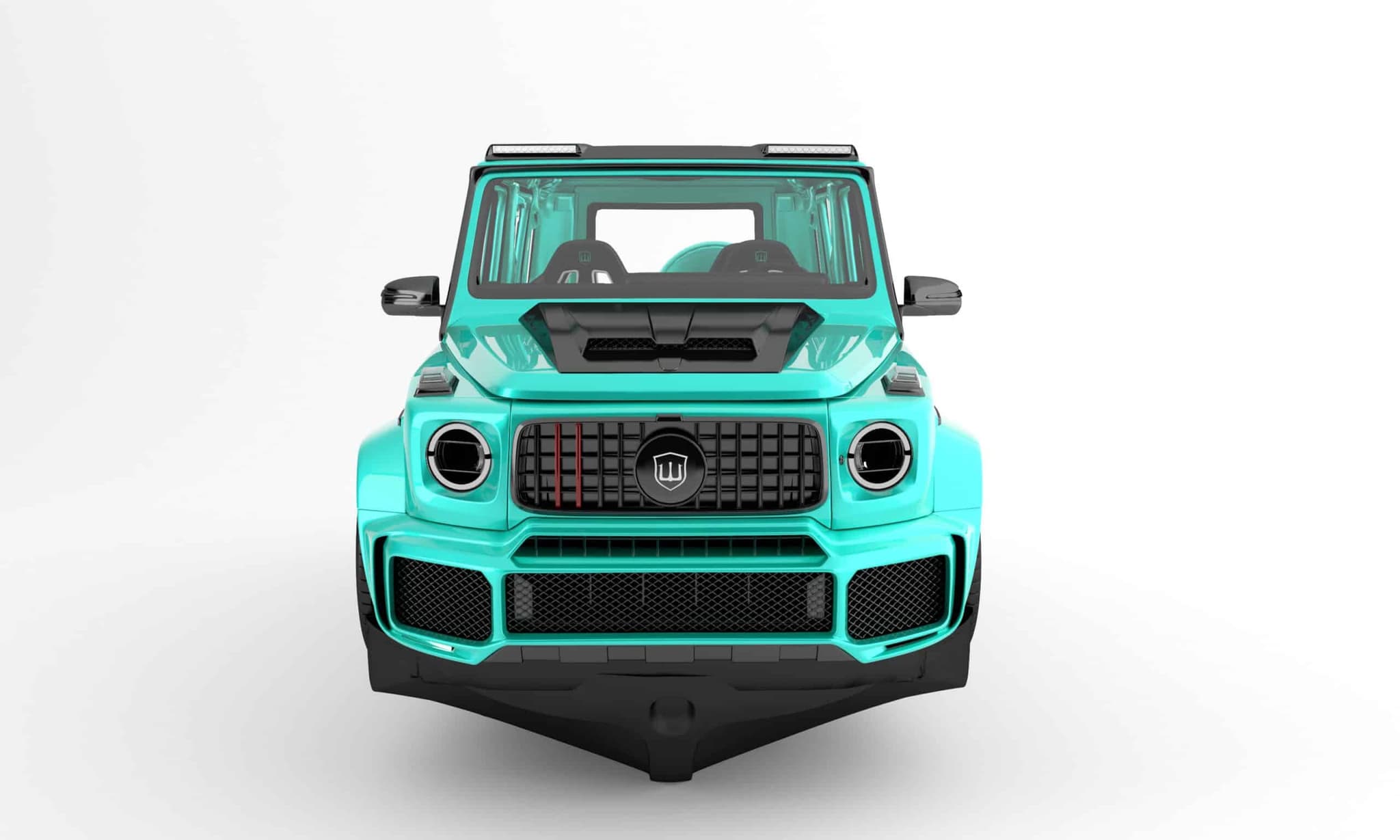 $98,000
WBC Model MG
The definitive off-road legend now commands the open sea. Engineered for performance, designed for presence, and crafted to carry up to six in uncompromising luxury.
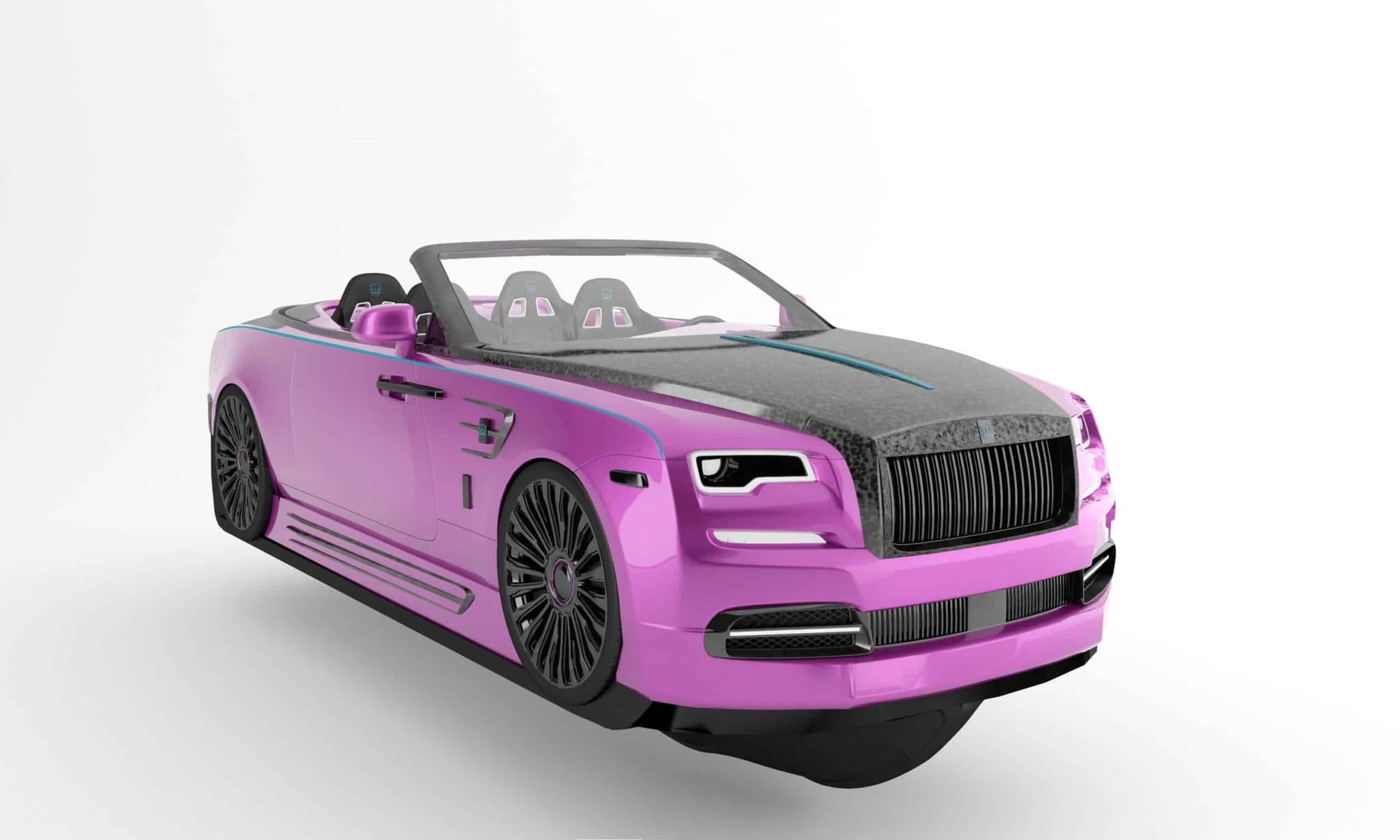 $84,000
WBC Model RR
Crafted for those who refuse to arrive unnoticed. A presence worthy of royalty. A statement beyond status.
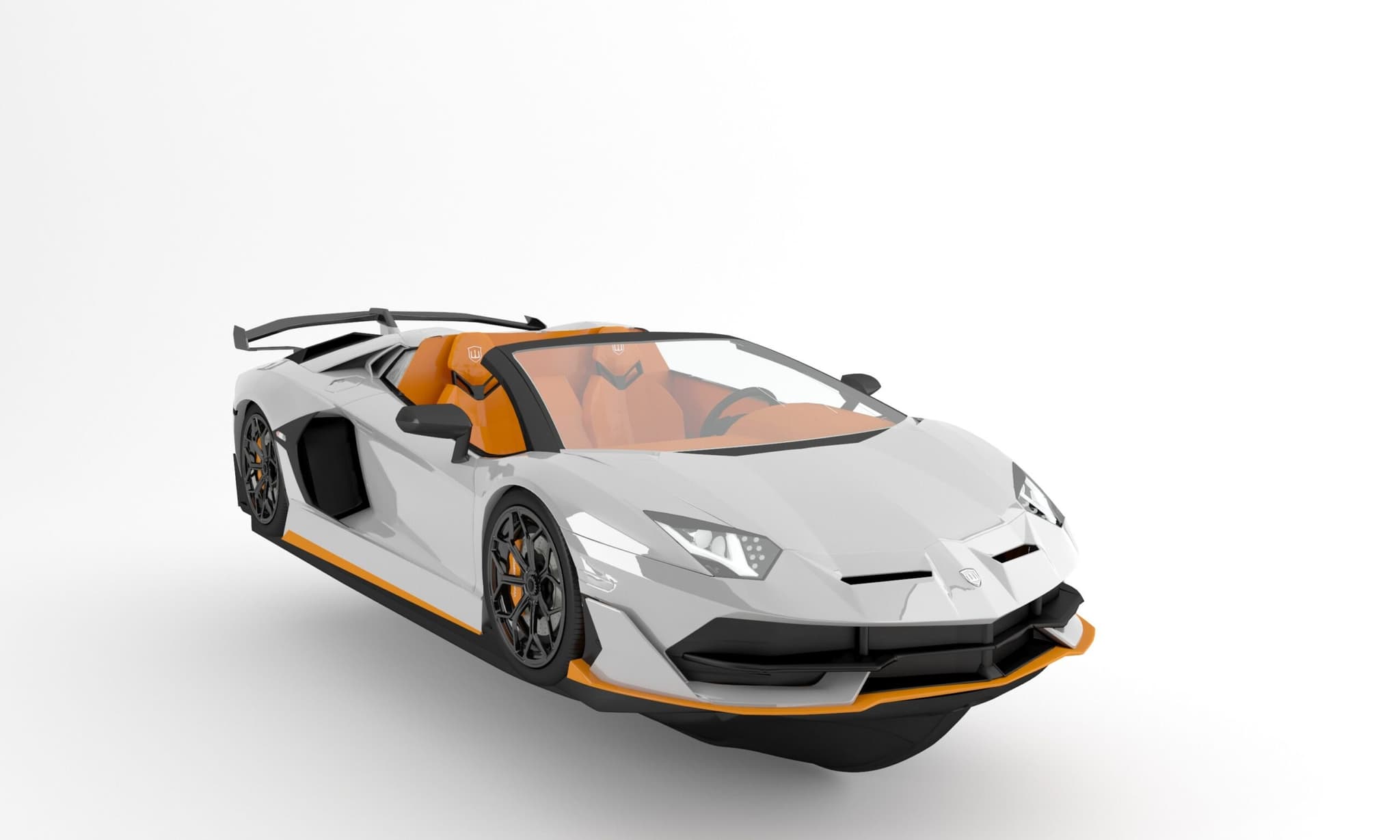 $82,000
WBC Model LA
The pinnacle of super sports performance — now reborn on water. Where Italian passion fuels pure speed.
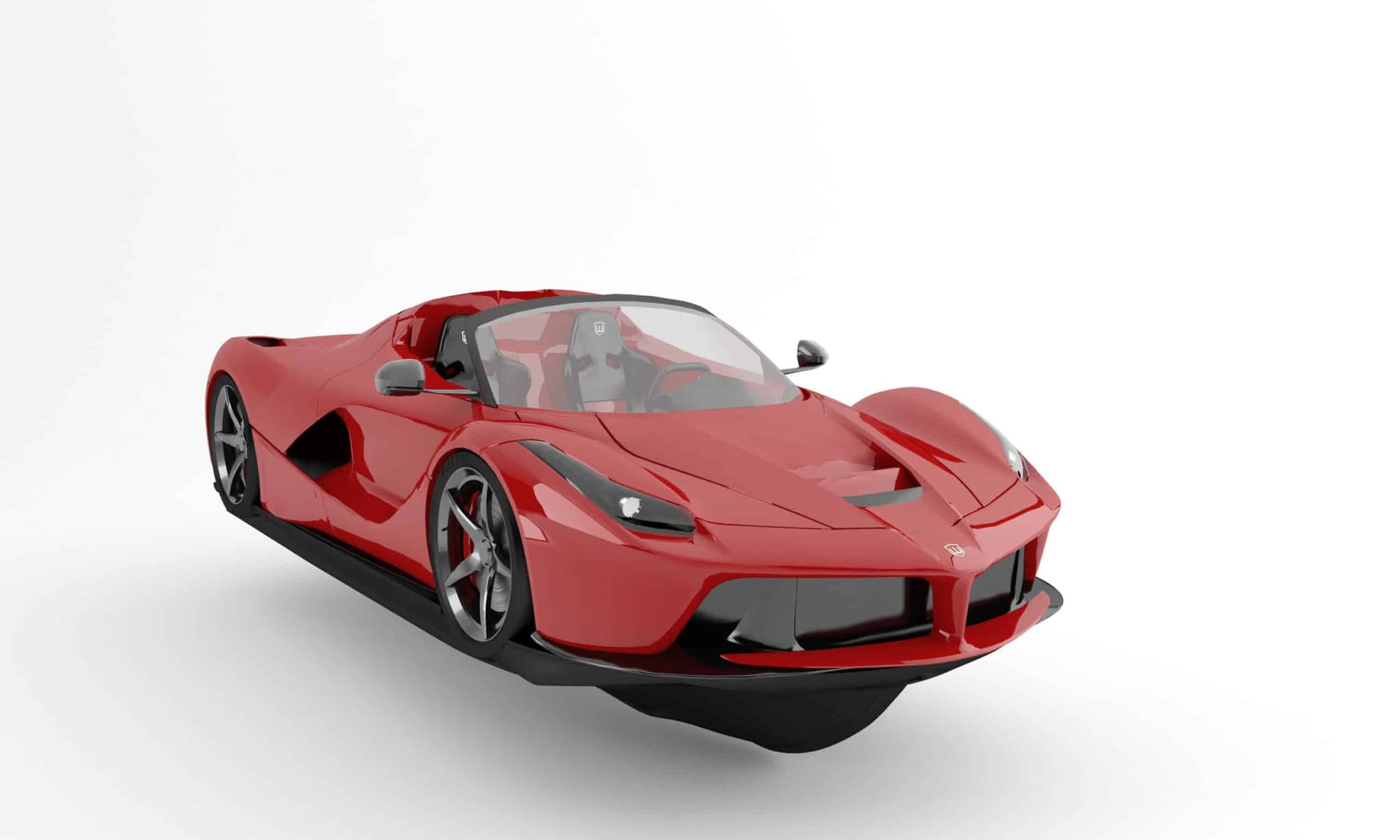 $82,000
WBC Model FLF
Unmatched speed. Now unleashed on water. Driven by Italian passion, engineered for pure performance.
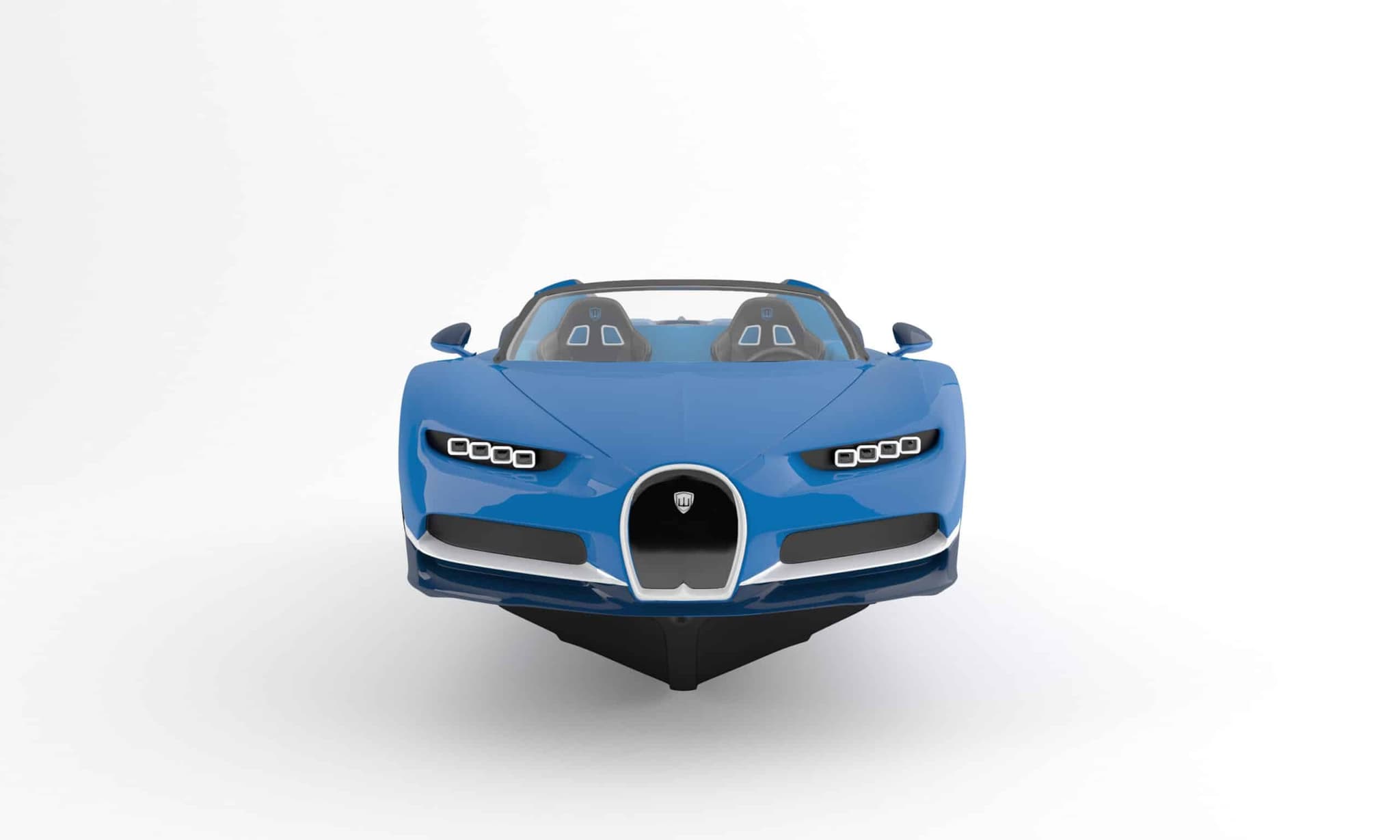 $90,000
WBC Model B
The ultimate expression of performance. When only the absolute best will do, this machine delivers beyond limits.
Keep reading
Related guides that answer the next questions most buyers ask.
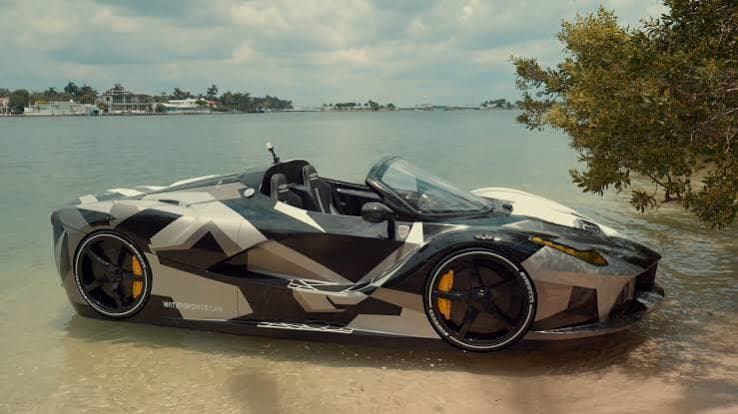
How Safe Are Jet Cars? | WaterBoatCar
WaterBoatCar jetcars are built with marine-grade safety features — from enclosed cabin protection to jet propulsion designed without exposed propellers.
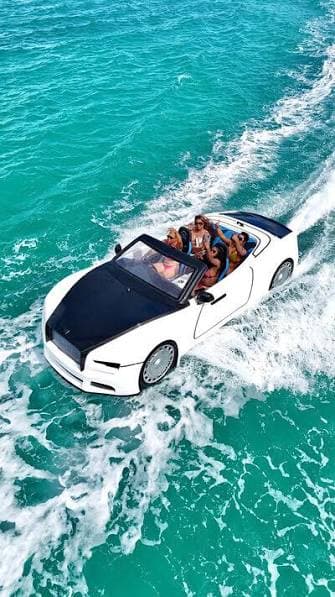
Is It Legal to Own a Jet Car? | WaterBoatCar
Yes, owning a WaterBoatCar jetcar is completely legal — here's the important difference between simply owning one and being licensed to operate it.
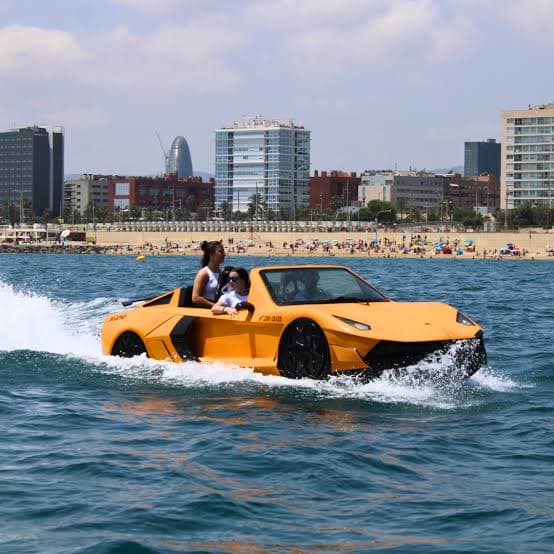
How Do Jet Cars Work? Jet Propulsion Explained
WaterBoatCar jetcars use marine jet propulsion, not propellers — here's how the technology actually moves you across the water.
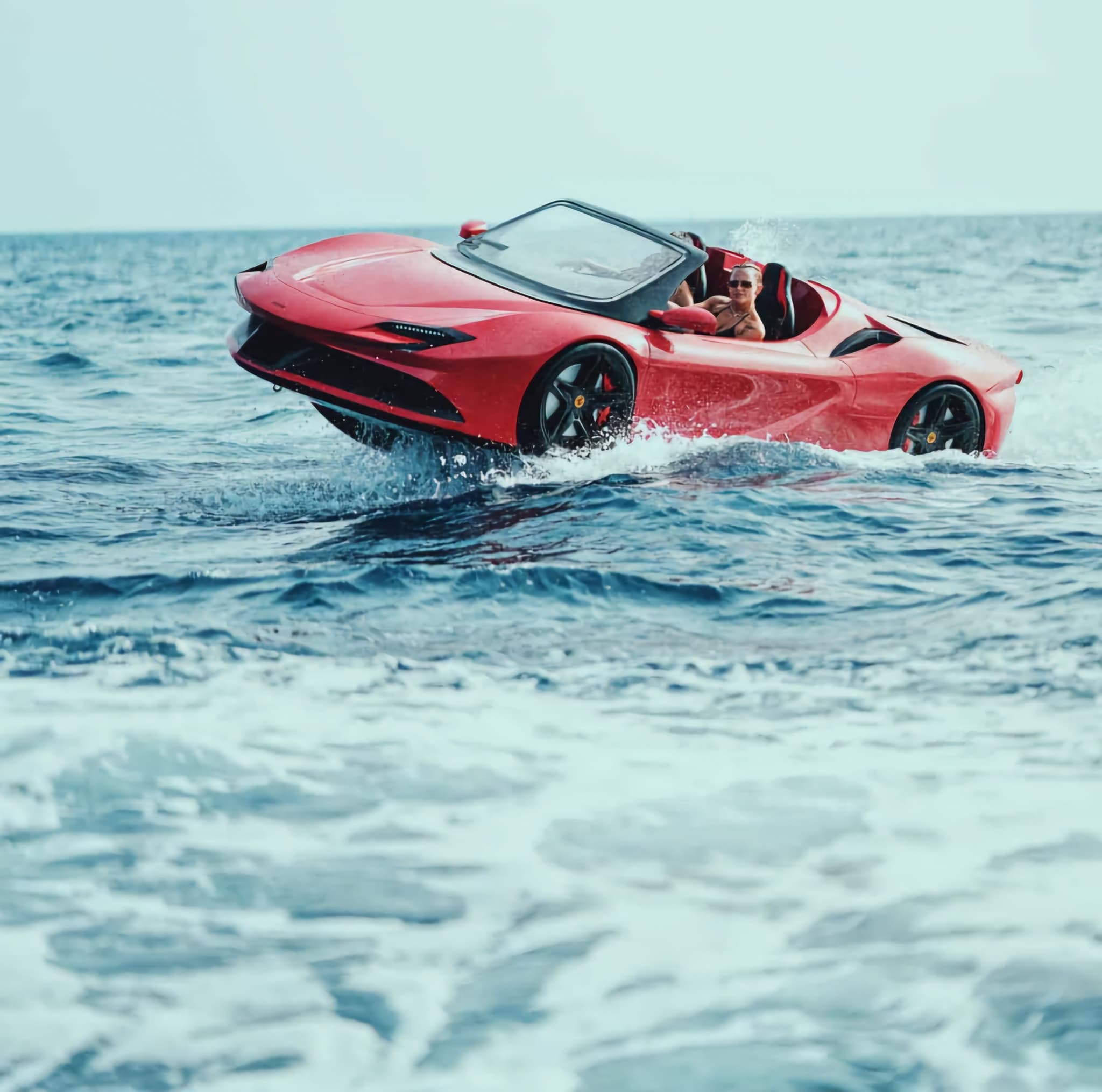
Can You Buy a Jet Car for Personal Use? Yes — Here's How
WaterBoatCar jetcars are built for personal recreational use — here's what buying and owning one for yourself actually looks like.
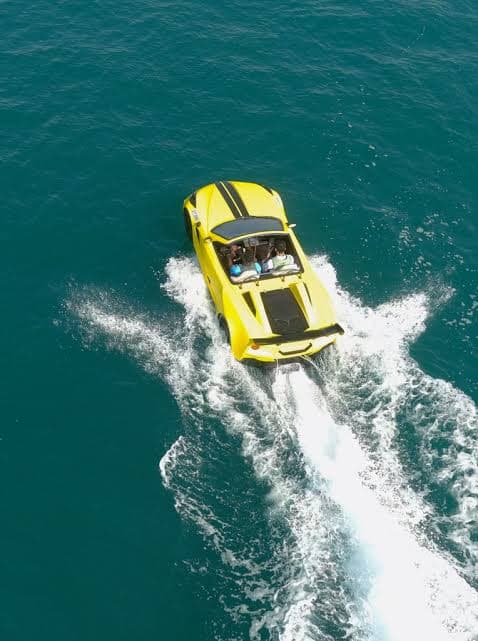
How Fast Do Jet Cars Go? Top Speed by Model
WaterBoatCar jetcars deliver supercar-level performance on water — here's what top speed looks like for each model and what factors determine it.
Ready to configure your jetcar?
Choose your model, colours, interior and branding, then submit your build for a confirmed quote and production timeline.