How Do Jet Cars Work? Jet Propulsion Explained
WaterBoatCar jetcars use marine jet propulsion, not propellers — here's how the technology actually moves you across the water.
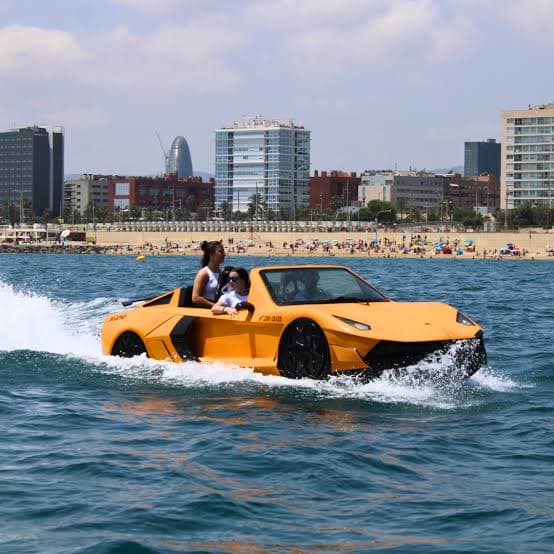
How do jet cars work? Understanding a WaterBoatCar jetcar starts with one core piece of technology: marine jet propulsion — the same fundamental system used in high-performance jet skis and jet boats, layered underneath a hull and body designed to look exactly like the world's most iconic supercars. The technology is proven, widely used, and considerably more interesting than most people expect when they dig into the details.
The basic mechanism: action and reaction
The core process follows Newton's third law — every action has an equal and opposite reaction. Here is how it works step by step:
- The engine drives an internal impeller. The impeller is a specialised rotating component inside the hull, not visible from the outside.
- The impeller draws in water. A large intake opening at the bottom of the hull pulls water up into the propulsion system as the impeller spins.
- Water is pressurised and expelled. The impeller accelerates the water and forces it out through a nozzle at the rear of the vessel under significant pressure.
- The reaction force creates forward thrust. The high-pressure outflow pushing backward causes an equal and opposite force pushing the vessel forward.
This is the same fundamental physics that powers jet aircraft engines. The difference is that a jet aircraft accelerates and expels air, while a marine jet propulsion system accelerates and expels water. Water is roughly 800 times denser than air, which is why a relatively modest-looking nozzle can generate impressive thrust.
How steering actually works
This is where jet propulsion diverges most interestingly from both road cars and traditional propeller boats:
In a car, turning the steering wheel redirects the front wheels, which changes the direction the vehicle is pushed.
In a traditional propeller boat, a rudder — a fixed plate behind the propeller — redirects water flow past the spinning blade to change direction. This involves some inherent lag between input and response.
In a jet-propelled vessel, the nozzle that expels water is physically steerable. Rotate the nozzle, and the direction of the thrust force changes. Because thrust direction and vessel direction are directly linked — with no intermediate mechanism like a rudder — the response is immediate.
The result is that jet-propelled handling tends to feel distinctly more direct and responsive than traditional rudder-based steering. New operators sometimes find the immediacy takes a small amount of familiarisation, but most find it more intuitive than rudder steering once accustomed to it.
How stopping and reversing works
There is no disc brake, drum brake, or friction-based stopping mechanism on a jet-propelled vessel. Stopping relies on two things working together:
Natural water drag. Ease off the throttle, and the vessel decelerates naturally as water resistance slows it. At cruising speeds, this alone provides meaningful deceleration.
Reverse thrust. The jet propulsion system can redirect the outflow nozzle to point partially forward rather than backward. This creates reverse thrust — the water is being pushed forward rather than backward, which actively pushes against the vessel's forward motion and decelerates it much more quickly than drag alone.
This combined mechanism is covered in more detail in our brakes guide. The practical outcome is that stopping a jet-propelled vessel is genuinely effective — not the same as pressing a brake pedal in a car, but not the passive "just wait and drift" experience that sometimes characterises entry-level smaller vessels.
Why there is no exposed propeller
In a traditional propeller-driven boat, the propeller spins beneath and behind the hull. This works well for propulsion but creates a meaningful hazard: an exposed spinning blade in the water near swimmers, marine animals, and shallow-water obstacles.
Jet propulsion eliminates this entirely. The impeller is inside the hull, protected by the intake housing. There is no exposed spinning component beneath the vessel. From a safety standpoint — particularly for passengers in and around the water — this is a significant structural advantage. Our safety guide covers this and other safety characteristics of jet-propelled watercraft in detail.
What makes a WaterBoatCar model different from a standard jet ski using the same technology
The core jet propulsion mechanism is shared with any quality jet ski or jet boat. It is well-proven, widely used technology — not something unique to WaterBoatCar. What is distinctive about a WaterBoatCar model is everything built around that core technology:
| Feature | Standard jet ski | WaterBoatCar jetcar |
|---|---|---|
| Propulsion type | Marine jet | Marine jet (same category) |
| Engine output | 60–160 hp typically | 200–300 hp high-output |
| Hull design | Functional sit-on-top | Supercar-inspired enclosed/open hull |
| Passenger capacity | 1–3 | 2–6 depending on model |
| Interior craftsmanship | Basic | Premium, hand-finished |
| Visual design | Generic watercraft | Bugatti, Ferrari, Lamborghini, Rolls-Royce, or Mercedes-inspired |
| Configurator personalisation | None | Full: color, interior, rims, custom branding |
The genuine marine engineering underneath comes wrapped in a design experience built to do something no standard jet ski has ever done: make heads turn at every marina.
The impeller and intake: the heart of the system
The impeller is the component that deserves the most attention from an ownership and maintenance perspective. Because it is the core thrust-generating mechanism, its condition directly affects both performance and reliability.
What the impeller does: Spins at high RPM to draw in water through the intake and pressurise it for expulsion through the nozzle.
What can affect it: Debris in the water — seaweed, plastic, small rocks — can enter the intake and damage the impeller or reduce its efficiency. Regular inspection of the intake and impeller is an important part of the routine maintenance schedule provided with every WaterBoatCar delivery.
What maintenance involves: Periodic inspection for wear or damage, clearing any intake blockages, and replacing the impeller when wear reaches the manufacturer's service threshold. This is standard practice for any high-output jet propulsion vessel.
Our maintenance cost guide covers what ongoing servicing of the propulsion system involves and how to budget for it realistically.
Jet propulsion vs propeller: a practical comparison
| Factor | Marine jet propulsion | Propeller-driven |
|---|---|---|
| Exposed blade hazard | None — impeller fully enclosed | Yes — propeller beneath hull |
| Steering response | Very immediate — nozzle redirects thrust directly | Somewhat less immediate — rudder redirects flow |
| Shallow water performance | Better — no blade protruding below hull | More limited — propeller needs clearance |
| Stopping mechanism | Reverse thrust + water drag | Water drag primarily; some engines offer reverse |
| Impeller/intake maintenance | Required — debris can affect performance | Propeller inspection instead |
| Handling feel | Agile, direct | More traditional |
| Top-speed capability | Competitive with same-horsepower propeller | Competitive |
Neither system is universally superior — both are proven, effective marine propulsion technologies. Jet propulsion offers specific advantages in safety, steering responsiveness, and shallow-water handling that are particularly relevant for a vessel used in recreational, social settings where passengers may be in and around the water.
A practical way to think about the experience
If you have ever ridden a quality jet ski, the fundamental feel of jet propulsion — throttle response, how steering input translates to direction change, how reverse thrust works — will be broadly familiar. The underlying technology is the same category. What changes with a WaterBoatCar jetcar is the scale, the passenger capacity (up to six on the Rolls-Royce-inspired Model RR), the level of finish and craftsmanship, the engine output category, and of course the design that makes every outing an event rather than a routine boat trip.
Our speed guide covers what that engine output translates to in terms of real-world performance, and our horsepower guide goes deeper on the engine specifications across the full lineup.
Pros and cons of marine jet propulsion
Pros
- No exposed propeller — significantly safer around swimmers and in shallow water
- Highly responsive, direct steering via nozzle redirection
- Effective stopping via reverse thrust combined with water drag
- Well-proven technology across decades of high-performance jet ski and jet boat use
- Handles shallow-water approaches more safely than propeller-driven vessels
Cons
- Impeller and intake require regular inspection and maintenance — debris ingestion is a real operational consideration
- Handling feel requires brief familiarisation for operators used to traditional rudder steering
- Less effective at very low speeds compared to propeller — minimum speed for effective steering is a consideration
- Intake cavitation in aerated water (white water, heavy chop) can temporarily reduce thrust
What first-time operators should know before their first outing
Understanding the mechanics helps, but there is a practical familiarisation process that makes the first outing more comfortable. A few things worth knowing before you launch for the first time:
Steering requires forward motion. At very low speeds, steering becomes less responsive — the nozzle redirection mechanism requires water flowing through it to generate meaningful directional authority. This means manoeuvring at extremely low speed in tight spaces (like a busy marina) requires more planning and more deliberate inputs than at cruising speed. This is standard for all jet-propelled vessels.
Reverse thrust is not the same as a road car reverse. It works — effectively — but the vessel does not steer in reverse with the same precision as forward motion. Brief, controlled use of reverse thrust for stopping and backing is the standard approach; complex reversing manoeuvres require practice.
Throttle response is immediate. Unlike some displacement vessels with more gradual thrust build-up, the jet propulsion system responds to throttle input quickly. First-time operators sometimes find the immediacy surprising; it becomes instinctive with experience.
Plan your approach. Because stopping relies on reverse thrust plus water drag rather than a mechanical brake, you need to approach docks, other vessels, and shallow areas at reduced speed with time to decelerate. Experienced operators develop a natural habit of anticipating their deceleration distance.
The intake is vulnerable to debris. Operating in waters with significant floating debris — seaweed, plastic, loose vegetation — requires awareness. If you feel a sudden reduction in thrust or unusual engine behaviour, the intake may have picked up debris. Stop, clear the intake, and resume. This is standard practice for any jet propulsion vessel.
How jet propulsion handles different water environments
The jet propulsion system performs differently in different water conditions, and understanding these differences helps operators get the best from the vessel across varied environments.
Deep, open water: Optimal conditions for the system — clean intake, full impeller efficiency, no debris. This is where the system delivers its best performance.
Shallow water: Better than a propeller system in many respects — no blade to strike the bottom — but the intake requires careful attention. Very shallow, muddy, or sandy bottoms can introduce debris into the intake. Operating in less than roughly knee-depth of water over a sandy or silty bottom requires care and awareness.
Rough water: Aerated water — the frothy, air-mixed water found in heavy chop or white water — can cause the impeller to experience cavitation, temporarily reducing thrust. This is a brief, self-resolving condition as the vessel moves back into denser water, but operators in heavy chop will notice some variability in thrust.
Cold water: No meaningful operational difference in propulsion. Cold weather operating considerations are primarily about preparation and safety for passengers rather than any engineering limitation.
The sound experience of jet propulsion
Because jet propulsion eliminates the mechanical drivetrain to a propeller — and because the impeller is enclosed within the hull — the sound character of a jet-propelled vessel is different from a propeller boat with an exposed drive.
WaterBoatCar models produce the genuine, purposeful sound of a high-output marine engine under load — not muted, but also not the mechanical complexity of a propeller drive. The engine note changes with throttle in the way any high-output engine does, giving operators an intuitive sense of the system's loading through sound as well as feel.
At idle and low speed, the vessels are quieter relative to full-throttle operation, which makes marina and harbour operation more neighbourly than a higher-noise alternative. At full throttle, the acoustic experience is part of the overall performance character.
Final thoughts
At its core, a WaterBoatCar jetcar works through proven marine jet propulsion technology — the same fundamental system found in quality jet skis and jet boats — engineered into a hull styled after some of the most iconic supercars ever built, and fully personalised through our configurator before it is hand-finished for you. Understanding how the propulsion works helps every new owner get the most from the experience: the steering feel, the reverse thrust mechanics, the importance of intake inspection. It is technology that rewards knowledge, and it delivers an on-water experience unlike anything else available.
Frequently Asked Questions
How do jet cars work?
WaterBoatCar jetcars use marine jet propulsion. An engine drives an internal impeller that draws water through an intake at the bottom of the hull, then forces it out through a steerable nozzle at high pressure. The reaction force from that outflow pushes the vessel forward — the same basic physics as a jet aircraft, using water instead of air.
How does steering work on a jet car?
Steering works by physically redirecting the angle of the high-pressure outflow nozzle. Turn the nozzle, and the direction of thrust changes, which turns the vessel. This gives jet-propelled watercraft notably responsive, agile handling compared to a traditional rudder system.
Why is there no propeller on a jet car?
Propulsion happens through an internal impeller rather than an external propeller, so there is no exposed blade beneath the hull. This is one of the most important safety advantages of jet propulsion — it removes a significant hazard around swimmers or in shallow water.
How do jet cars stop?
Stopping uses the same jet propulsion mechanism: redirecting the high-pressure outflow in the opposite direction creates reverse thrust that actively decelerates the vessel, working alongside natural water drag when you ease off the throttle.
Is jet propulsion more reliable than a propeller system?
Both are well-proven, widely used technologies. Jet propulsion offers no exposed propeller and more responsive steering, while requiring its own routine maintenance — particularly the impeller and intake — to perform well over time.
Does jet propulsion work differently in shallow water?
Jet propulsion generally handles shallow water better than an exposed propeller system, since there is no blade beneath the hull at risk of striking the bottom — though intake care and awareness of very shallow or debris-filled water still matters.
Explore the models
Every WaterBoatCar jetcar is hand-finished to order. Tap a model to see specifications, gallery and pricing.
 $98,000
WBC Model MG
The definitive off-road legend now commands the open sea. Engineered for performance, designed for presence, and crafted to carry up to six in uncompromising luxury.
 $84,000
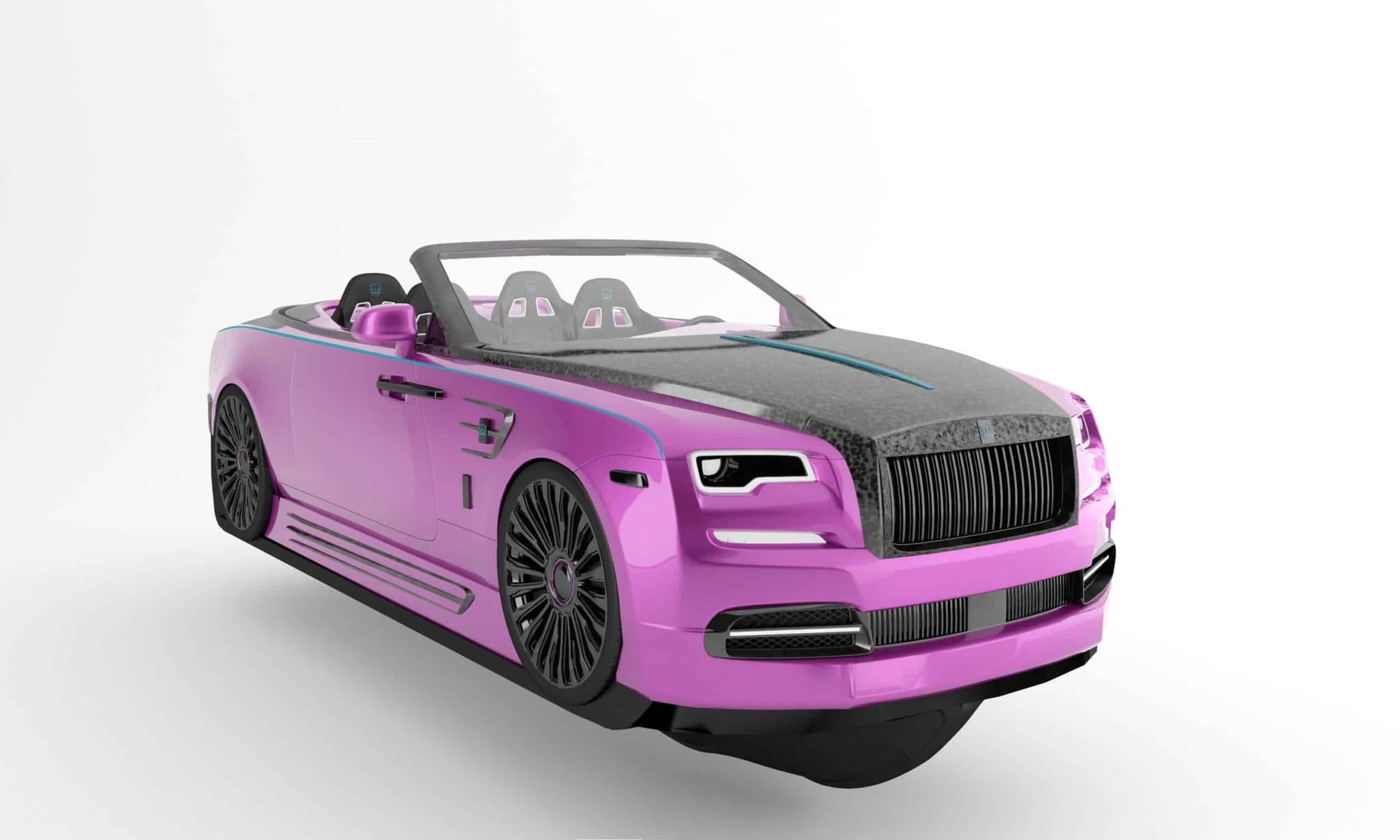
WBC Model RR
Crafted for those who refuse to arrive unnoticed. A presence worthy of royalty. A statement beyond status.
 $82,000
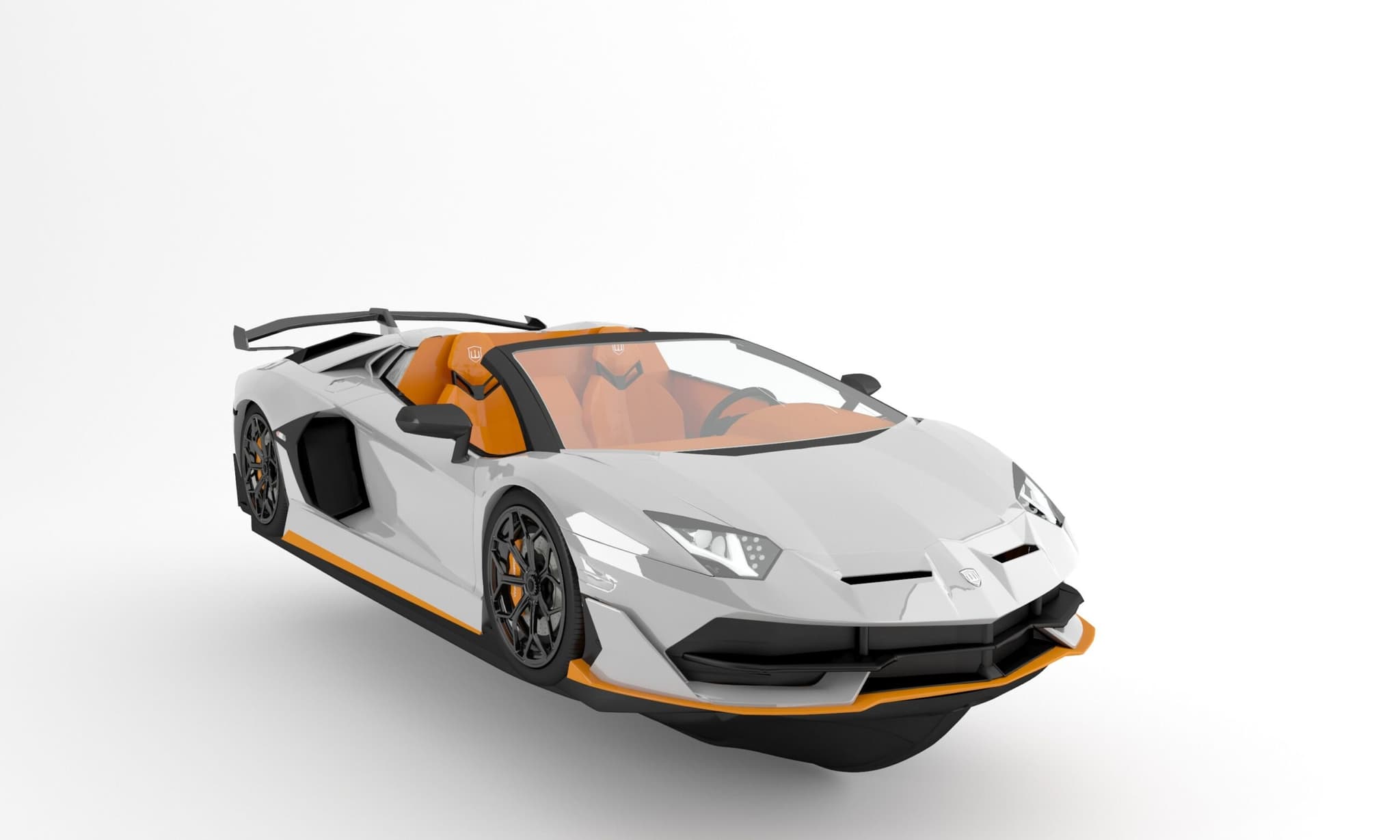
WBC Model LA
The pinnacle of super sports performance — now reborn on water. Where Italian passion fuels pure speed.
 $82,000
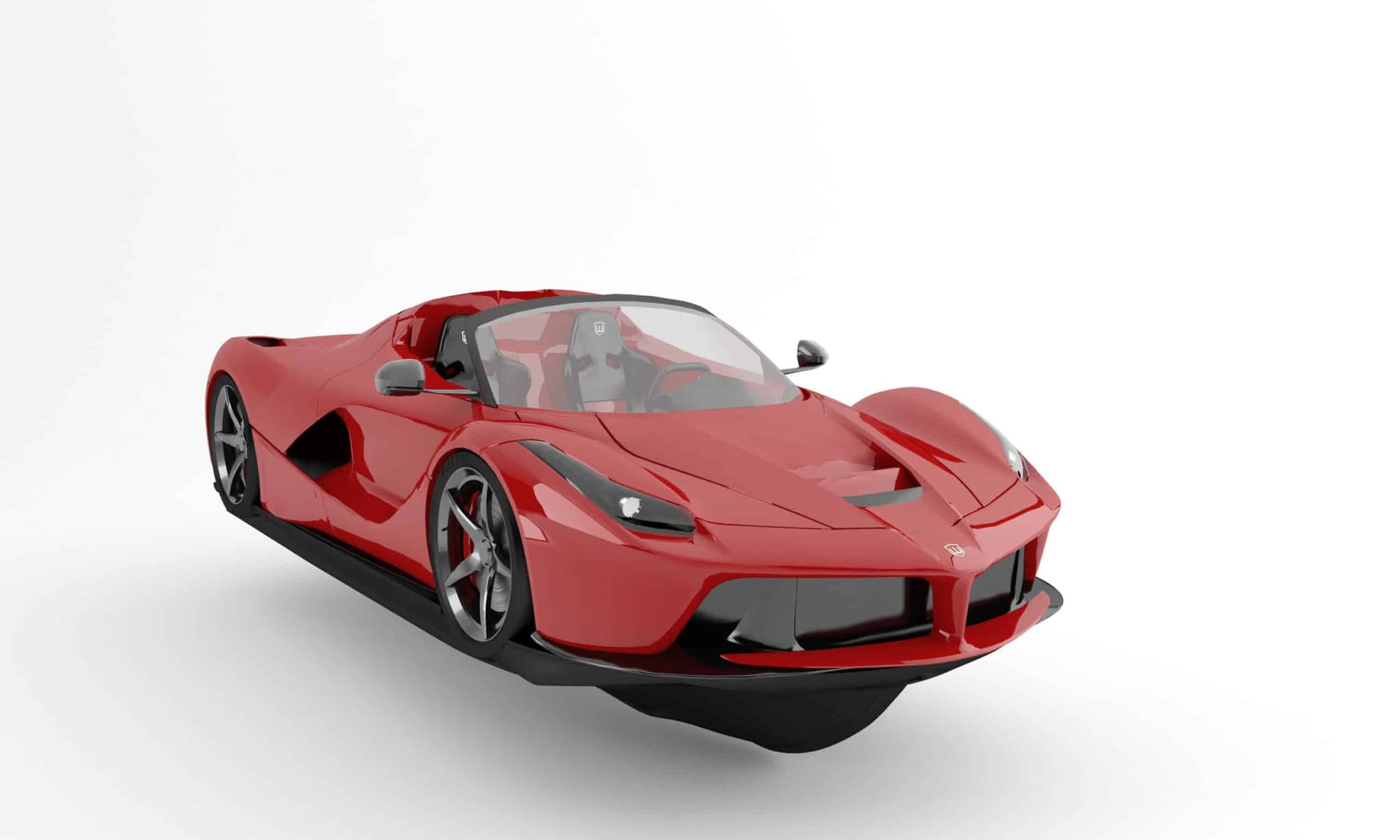
WBC Model FLF
Unmatched speed. Now unleashed on water. Driven by Italian passion, engineered for pure performance.
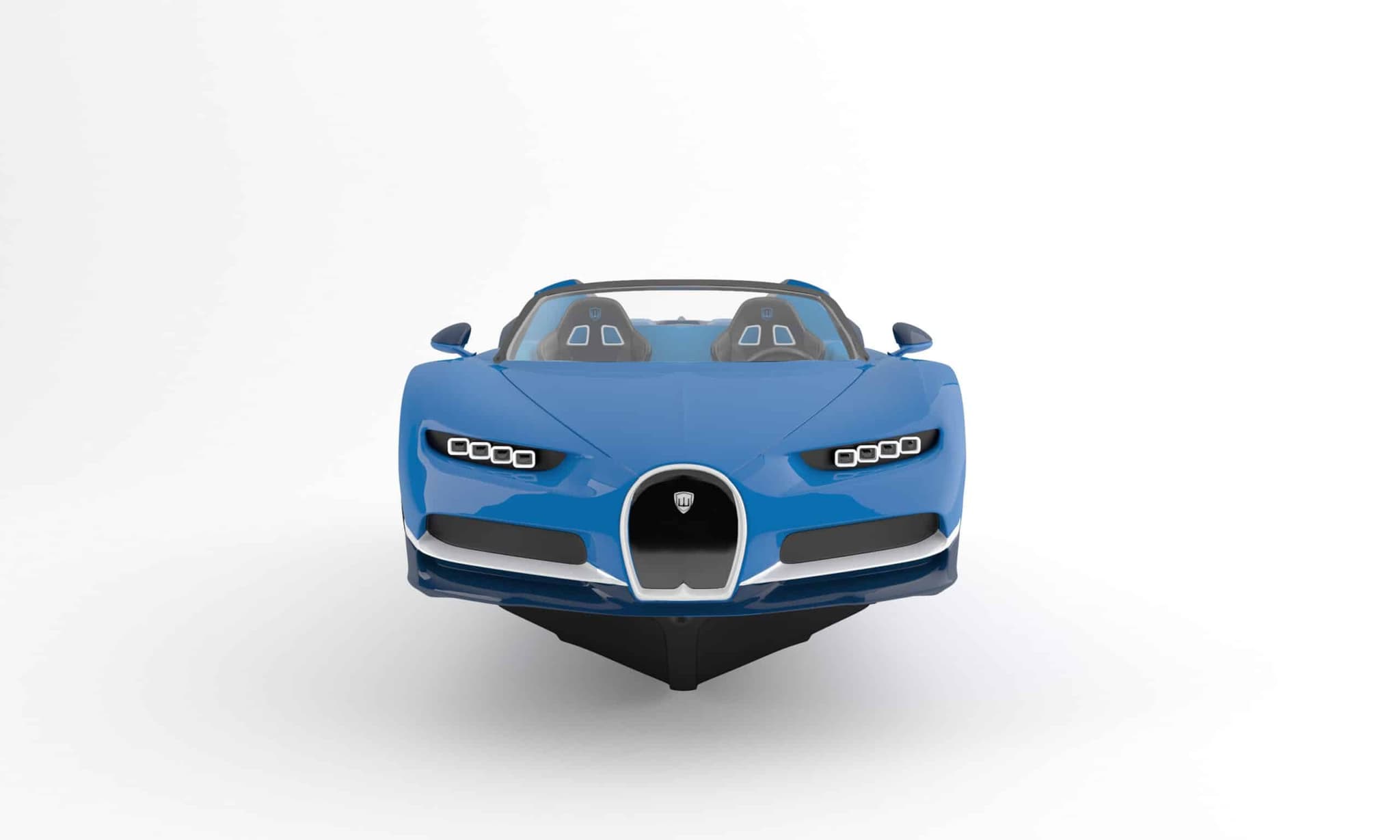 $90,000
WBC Model B
The ultimate expression of performance. When only the absolute best will do, this machine delivers beyond limits.
Keep reading
Related guides that answer the next questions most buyers ask.
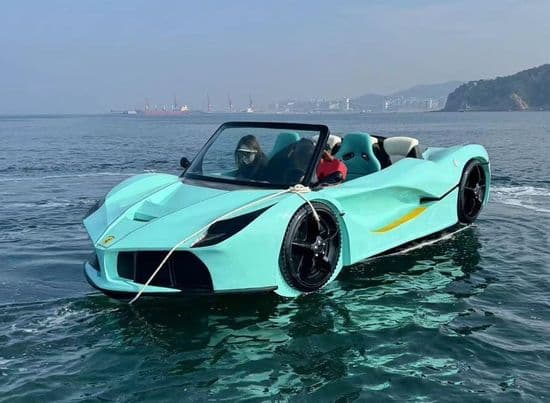
What Is a Jet Car? | WaterBoatCar
Learn what a jetcar is, how marine jet propulsion works, and why WaterBoatCar combines watercraft performance with supercar-inspired design.
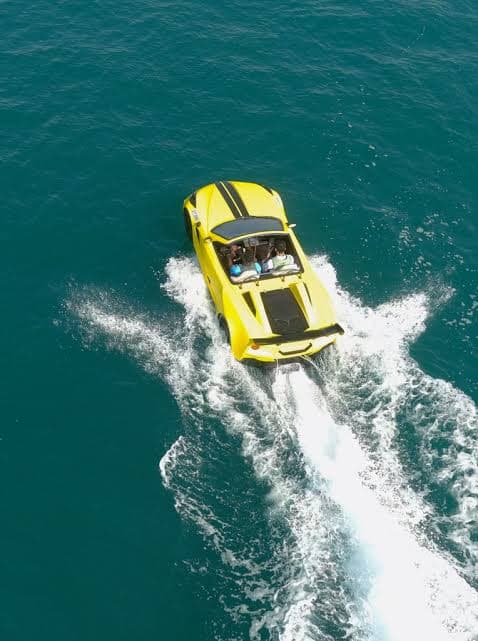
How Fast Do Jet Cars Go? Top Speed by Model
WaterBoatCar jetcars deliver supercar-level performance on water — here's what top speed looks like for each model and what factors determine it.
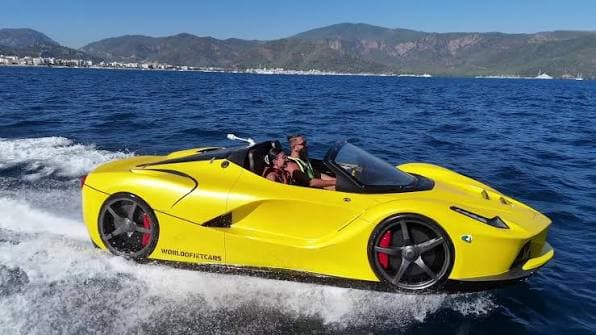
Jetcar Horsepower Guide | WaterBoatCar
Compare horsepower across the WaterBoatCar luxury jetcar lineup and learn how engine output affects speed, handling, and on-water performance.
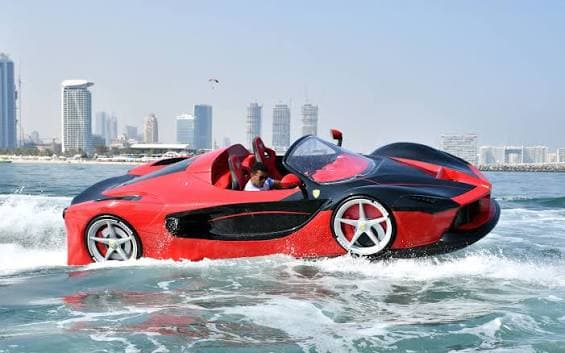
Do Jet Cars Have Brakes? How Stopping Works on Water
WaterBoatCar jetcars don't use traditional brakes — here's how jet-propelled watercraft actually slow down and stop on the water.
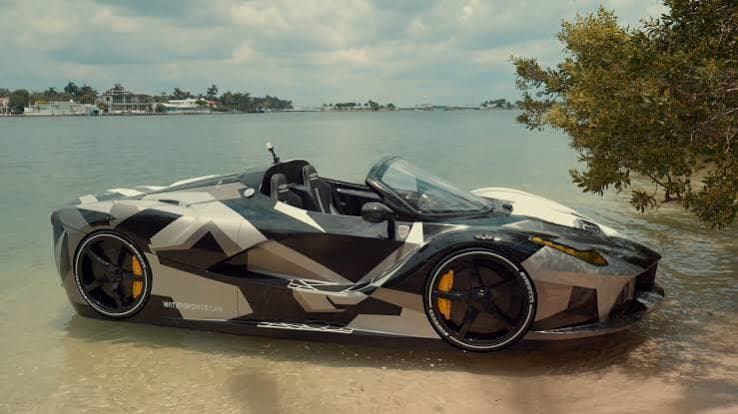
How Safe Are Jet Cars? | WaterBoatCar
WaterBoatCar jetcars are built with marine-grade safety features — from enclosed cabin protection to jet propulsion designed without exposed propellers.
Ready to configure your jetcar?
Choose your model, colours, interior and branding, then submit your build for a confirmed quote and production timeline.