Jetcar Horsepower Guide | WaterBoatCar
Compare horsepower across the WaterBoatCar luxury jetcar lineup and learn how engine output affects speed, handling, and on-water performance.
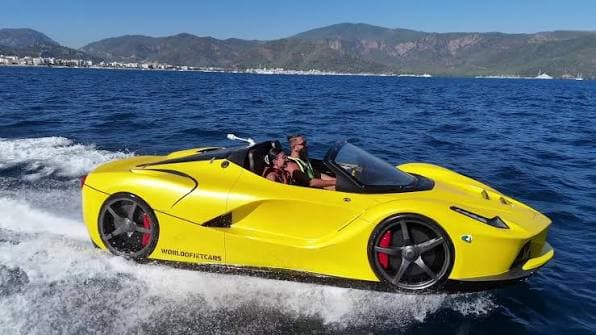
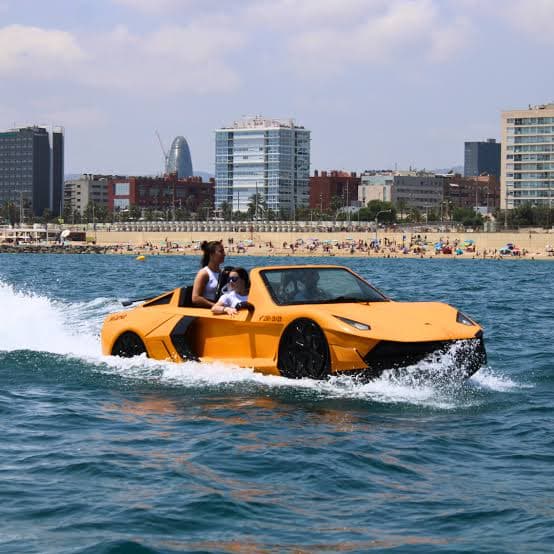
Jet car horsepower is usually one of the first questions serious buyers ask, and it's a fair one: every WaterBoatCar model runs on a high-output marine jet propulsion engine that generally produces between 200 and 300 horsepower depending on the model and configuration. The whole appeal of a jetcar is that it should actually perform like the supercars that inspire its design, not just look the part while puttering along — so let's break down exactly what that horsepower figure means, how it varies across the lineup, and why it isn't the only number that matters.
The engine category
Every WaterBoatCar model runs on a high-output marine jet propulsion engine — the same broad category of engine used in premium personal watercraft, but tuned specifically for the added weight, hull shape, and styling requirements of our car-inspired designs. Generally, output across the lineup falls in the 200–300 horsepower range, which puts these solidly in the performance tier of luxury personal watercraft, well above a typical entry-level jet ski. This is a marine engine, drawing water through a hull intake and forcing it out through a steerable rear nozzle to generate thrust — there's no automotive transmission or driven wheels involved, which is why comparing it to a car's horsepower figure only tells part of the story.
How that horsepower compares
To put 200–300 HP in context, it helps to see it beside other watercraft categories. Horsepower alone doesn't determine the experience, but it does define the tier a vessel plays in.
| Watercraft type | Typical horsepower | Performance character |
|---|---|---|
| Entry-level jet ski | 60–110 HP | Casual cruising, light recreation |
| Mid-range personal watercraft | 130–180 HP | Confident all-round performance |
| WaterBoatCar jetcar | 200–300 HP | High-performance, supercar-styled ride |
| Top-tier performance PWC | 250–310 HP | Race-oriented, specialist watercraft |
As the table shows, a WaterBoatCar jetcar sits firmly in high-performance territory — comparable to the strongest consumer personal watercraft on the market, with the added presence of a supercar-inspired body.
Why horsepower alone doesn't tell the whole story
It's worth understanding that horsepower is only one variable in how a jetcar actually performs. Hull weight and shape matter enormously. Our larger, 4–6 passenger enclosed-cabin Model MG carries more weight and prioritizes stability and comfort, so its performance profile differs from lighter, more aerodynamic models like the Ferrari-inspired Model FLF or Lamborghini-inspired Model LA, even at similar horsepower. Water conditions on the day also play a real role — a jetcar accelerates and handles differently in flat calm water versus chop. This is true of any high-performance powerboat, not something unique to how we build. For the fuller picture of how these factors combine into real-world speed, our guide on how fast jet cars go goes deeper.
How horsepower compares across the lineup
Because these are custom-configured, hand-finished vessels rather than a single mass-produced spec, exact horsepower and performance tuning can vary by model and by any performance-oriented configuration options selected during your build. As a general pattern: lighter models tend to sit toward the upper end of the horsepower-to-weight ratio, delivering sharper acceleration, while the Model MG's engine is tuned to comfortably move its larger enclosed hull and 4–6 passenger capacity with confident, stable performance rather than outright top-end aggression. The Bugatti-inspired Model B and Rolls-Royce-inspired Model RR sit between those two philosophies, balancing presence with performance.
Pros and cons of a high-horsepower jetcar
A 200–300 HP marine engine delivers a genuinely thrilling ride, but it's worth understanding both sides before you decide how much performance you actually need.
Pros
- Strong, immediate acceleration that lives up to the supercar styling.
- Confident top-end speed and quick throttle response on open water.
- Enough reserve power to handle passengers, chop, and turns without feeling strained.
- Puts the vessel in the top performance tier of personal watercraft.
Cons / things to weigh
- Higher-output engines call for slightly more attentive maintenance than low-power options.
- Fuel consumption rises with how aggressively you use the available power.
- Maximum performance can trade off against passenger capacity on the lighter models.
- Raw horsepower matters less if you mostly cruise rather than chase top speed.
Understanding power-to-weight, not just power
If there is one concept that explains real-world jetcar performance better than a bare horsepower figure, it is power-to-weight ratio. Two vessels with identical engines will feel completely different if one is significantly heavier than the other, because the same thrust has to move more mass. This is exactly why the lighter Ferrari-inspired Model FLF and Lamborghini-inspired Model LA feel so sharp: their horsepower is spread across less weight, giving eager acceleration and a lively, responsive character. The enclosed 4–6 passenger Model MG carries more mass by design, so its engine is tuned to deliver confident, stable thrust rather than outright sprint performance. Neither approach is "more powerful" in a meaningful sense — they simply apply their power to different priorities. When you compare models, ask about how each one feels rather than fixating on a single number, because the ratio between power and weight is what you actually experience on the water.
How horsepower shapes fuel use and range
Horsepower also has a direct bearing on how you fuel and plan your outings. A higher-output engine can consume more fuel when you use its full power, which affects both running costs and how long you can stay out before refueling. The important nuance is that consumption depends far more on how you drive than on the engine's rating: cruising at a relaxed pace sips fuel, while sustained full-throttle running burns through it quickly, regardless of model. Buyers who plan long days on the water tend to think in terms of usable range and fuel capacity, not just peak horsepower, and our team can walk you through the fuel capacity and realistic range for whichever model you are considering. If ongoing costs are part of your decision, our maintenance cost guide puts fuel and servicing into a fuller budgeting context.
Getting exact specs for your model
Rather than publish a single number that would be misleading across five genuinely different vessels, our team provides an exact spec sheet — including horsepower, top speed, fuel capacity, and weight — for whichever model you're requesting a quote on. This is standard practice for any serious powerboat manufacturer, and it means you're making a decision based on real numbers for your specific build, not a marketing average. If ongoing running costs factor into your decision, our maintenance cost guide explains how engine output relates to servicing, and if budget is your starting point, the pricing breakdown shows where each model lands.
If maximum performance is your priority
If raw horsepower and top-end speed matter more to you than passenger capacity or cabin enclosure, it's worth raising that directly with your WaterBoatCar advisor during the configuration and quote process. Some models can be tuned toward a more performance-focused setup, and our team can advise which of the five current models — Bugatti, Ferrari, Lamborghini, Rolls-Royce, or Mercedes G-Class-inspired — best fits a speed-first priority versus one that balances comfort, capacity, and performance. A solo or two-person owner chasing sharp acceleration will often be steered toward the lighter Ferrari or Lamborghini-inspired models, while a buyer prioritizing stable family outings may be happier with the Model MG's tuned-for-comfort setup.
How the marine jet propulsion system actually works
Understanding why horsepower numbers feel the way they do in a jetcar requires a brief look at how marine jet propulsion differs from a conventional boat engine with a shaft-driven propeller.
In a traditional outboard or inboard-propeller setup, the engine drives a spinning propeller blade through the water. There is mechanical transmission, propeller slip, and a small but meaningful gap between the engine's rated output and what actually drives the hull forward. In a marine jet drive, water is drawn in through an intake in the hull bottom, accelerated through an impeller, and expelled at high velocity through a steerable nozzle at the rear. The resulting thrust is immediate and direct — there is no propeller slip, no gearbox, no clutch engagement delay. You open the throttle and the vessel moves.
This explains the "more responsive than I expected" observation that buyers consistently report. The horsepower figure is the same, but the delivery mechanism makes it feel more immediate than an equivalent propeller-driven boat at low-to-mid throttle inputs. At full throttle on open water, a jetcar's power-to-weight ratio and the direct thrust of the jet drive combine to produce acceleration that genuinely reflects the supercar inspiration of the design.
It also explains why watercraft speed comparisons between jet-drive and propeller-drive vessels of similar rated power don't always produce identical results — the efficiency curve of a jet drive operates differently from a propeller, especially at the mid-range speeds where most recreational boating happens.
How horsepower interacts with passenger capacity
One consideration buyers often raise during configuration is how horsepower performs differently depending on how many passengers the vessel is carrying. This is a real and practical question, not a theoretical one.
The lighter, two-seat models like the Ferrari-inspired Model FLF and Lamborghini-inspired Model LA are optimised for a driver and one passenger. At that load, the available horsepower is working against a comparatively light total weight, producing the sharpest acceleration and the most responsive handling feel in the lineup.
The Rolls-Royce-inspired Model RR accommodates six passengers and the Mercedes G-Class-inspired Model MG seats 4–6 inside an enclosed cabin — both of which represent more total mass for the engine to move. The engines in these models are tuned accordingly: they deliver confident, progressive thrust rather than outright sprint character, and they are sized to move a fuller load with headroom rather than to feel strained at capacity.
The practical upshot: if solo or two-up performance is your primary use case, the lighter models give you the most electric feel for your horsepower. If you are regularly on the water with family or a group, the six-seat and four-seat models are tuned for that real-world use rather than for track-day acceleration figures.
Horsepower, safety, and speed limits on the water
High horsepower in a personal watercraft does not exist in a vacuum. Waterways have rules — no-wake zones, speed limits in specific areas, distance-from-shore requirements — that apply regardless of what the engine is capable of. A 200–300 HP vessel is not automatically lawful at full throttle everywhere it floats.
Most buyers are already aware of this from general boating experience, but it is worth stating clearly: the legal operating envelope on any public waterway is defined by local and national waterway regulation, not by what the engine can produce. A WaterBoatCar jetcar is licensed and operated as a personal watercraft, and the operator is responsible for following the same rules that govern any vessel on those waters.
This does not diminish the value of the power available — it simply means that power is used in context. On open water with no speed restrictions, the full performance is yours. In harbour approaches, near beaches, or in no-wake channels, you operate at the speed the conditions and rules require, and the vessel does exactly that without complaint.
For the specifics of where you can operate, see our guide on are jet cars street legal everywhere, which covers waterway access rules in detail.
A note on real-world feel
Numbers on a spec sheet only go so far. What buyers consistently tell us after their first outing is that the throttle response and acceleration feel more immediate than they expected from the figures alone — a result of the jet propulsion delivering thrust directly rather than through a drivetrain. That instant, connected feel is a big part of why the supercar styling doesn't feel like a gimmick once you're actually on the water.
Final thoughts
A WaterBoatCar jetcar isn't just a supercar-styled shell — the 200–300 HP marine engines underneath deliver genuine, high-performance boating, and our team will always give you the real, model-specific numbers before you commit to a build. Explore the models below to compare their performance philosophies, and keep reading for how horsepower translates into real-world speed and running costs.
Frequently Asked Questions
Is 200–300 HP considered high for a personal watercraft?
Yes — that range sits well above entry-level jet skis and is generally considered high-performance territory for the personal watercraft category, comparable to top-tier consumer jet ski models.
Does higher horsepower mean higher maintenance costs?
Generally, higher-output marine engines do require more attentive maintenance than a low-power option, though this is a modest difference rather than a dramatic one — see our maintenance cost guide for a fuller breakdown.
Can I request a specific horsepower output during configuration?
Performance tuning options vary by model — raise your specific priorities with your WaterBoatCar advisor during the quote process, and they'll tell you what's available for the model you're considering.
How does horsepower affect top speed on a WaterBoatCar model?
Horsepower is one major factor alongside hull weight, shape, and water conditions — see our dedicated speed article for how these interact.
Do all five models have the same horsepower?
No — output varies by model based on weight and design intent; our team provides exact figures for your specific model during the quote process rather than a single blanket number.
Explore the models
Every WaterBoatCar jetcar is hand-finished to order. Tap a model to see specifications, gallery and pricing.
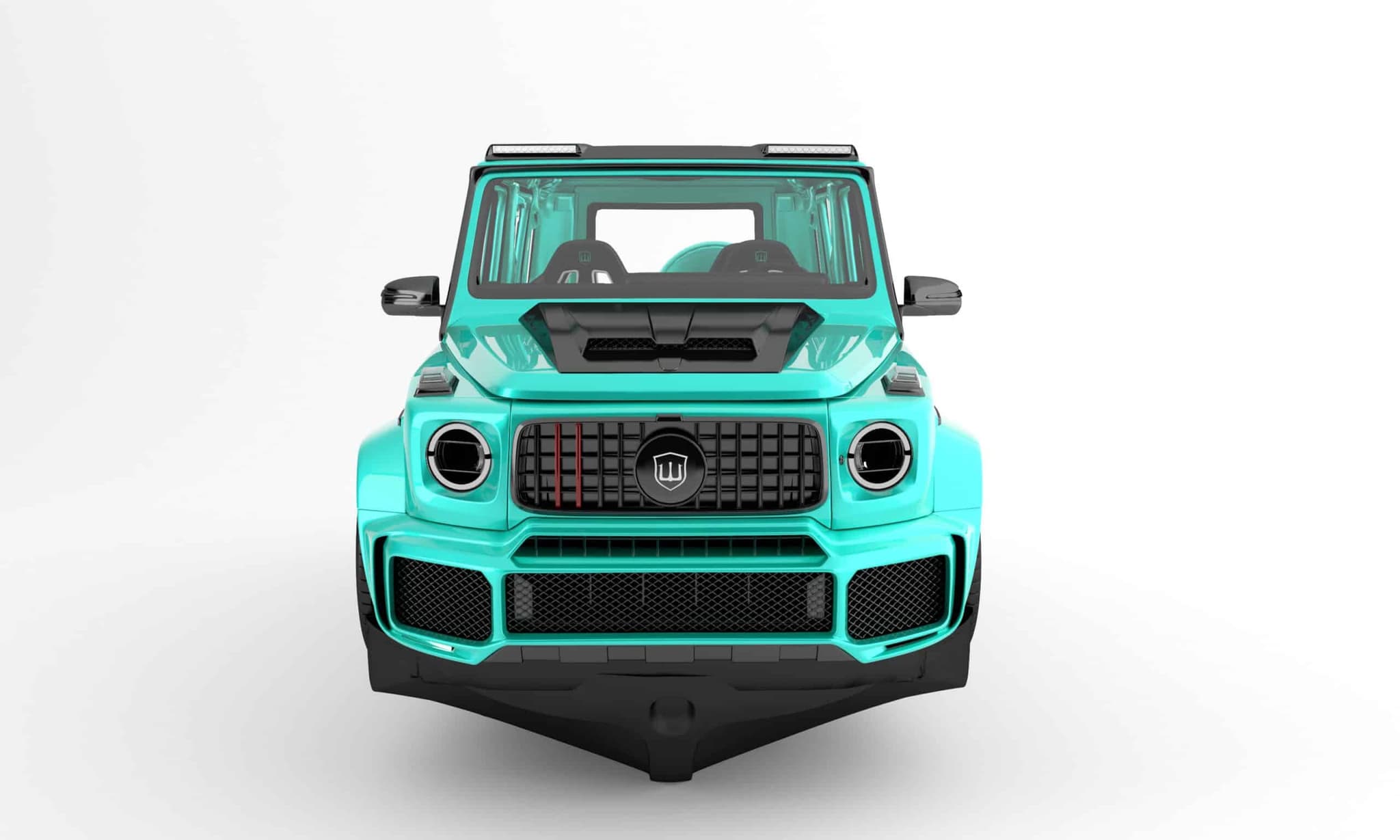 $98,000
WBC Model MG
The definitive off-road legend now commands the open sea. Engineered for performance, designed for presence, and crafted to carry up to six in uncompromising luxury.
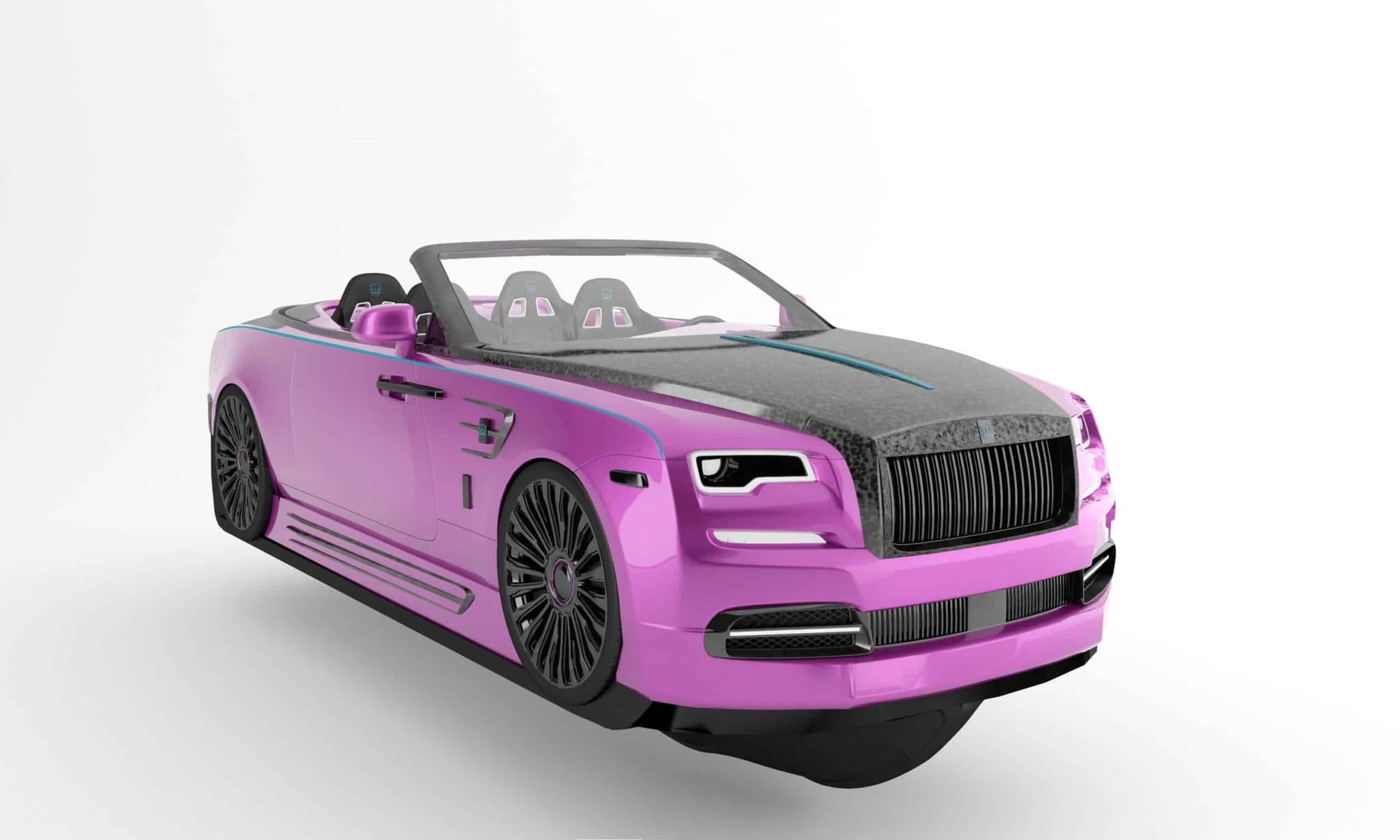 $84,000
WBC Model RR
Crafted for those who refuse to arrive unnoticed. A presence worthy of royalty. A statement beyond status.
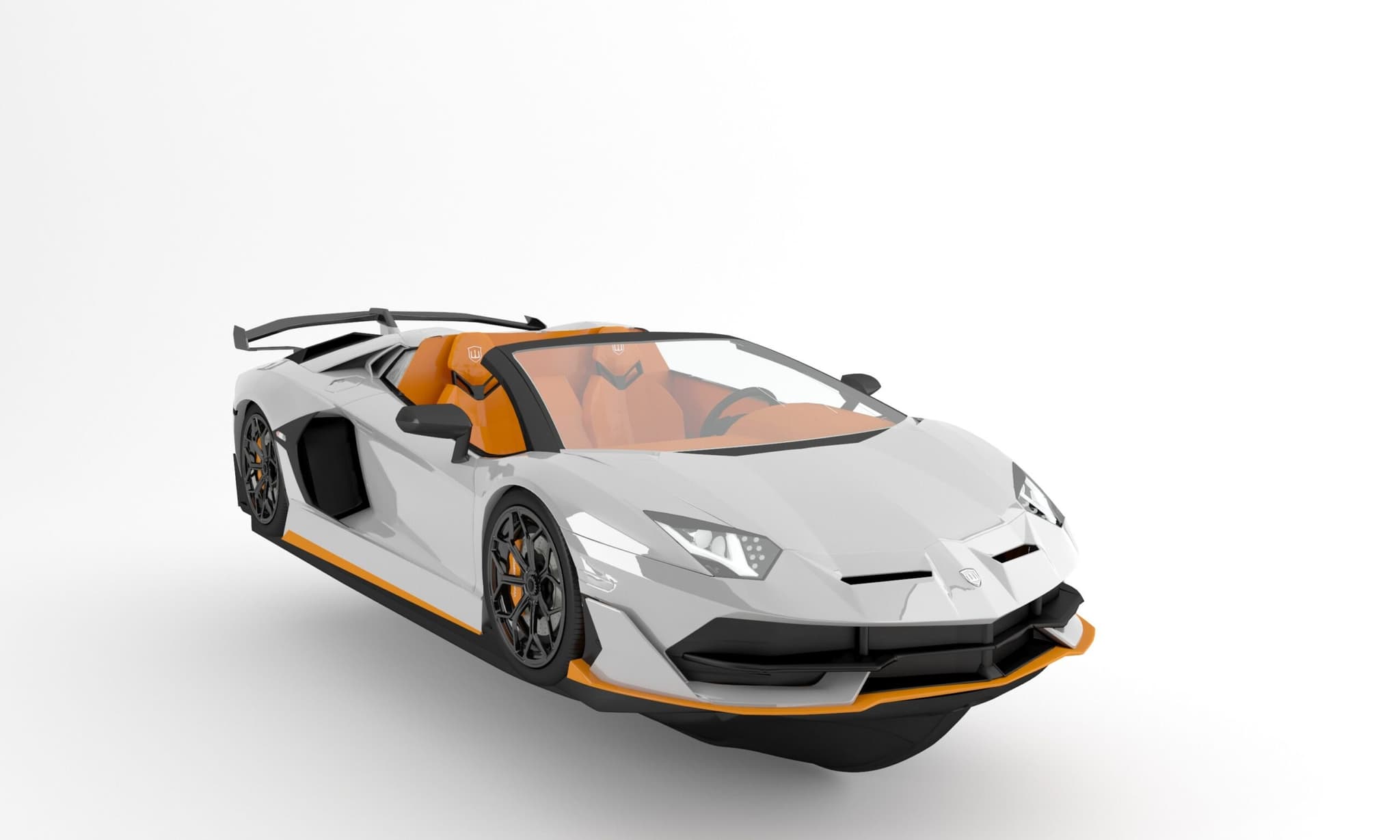 $82,000
WBC Model LA
The pinnacle of super sports performance — now reborn on water. Where Italian passion fuels pure speed.
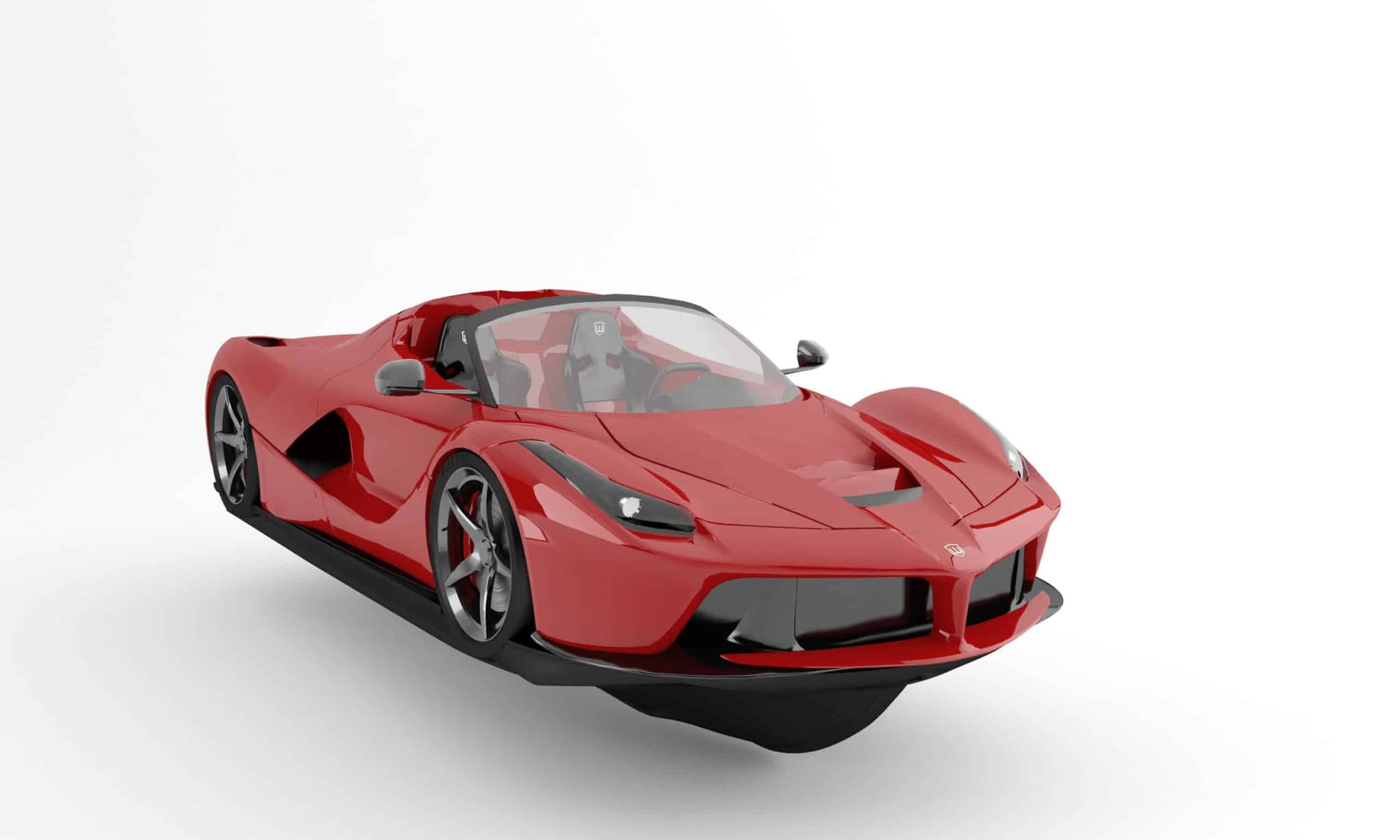 $82,000
WBC Model FLF
Unmatched speed. Now unleashed on water. Driven by Italian passion, engineered for pure performance.
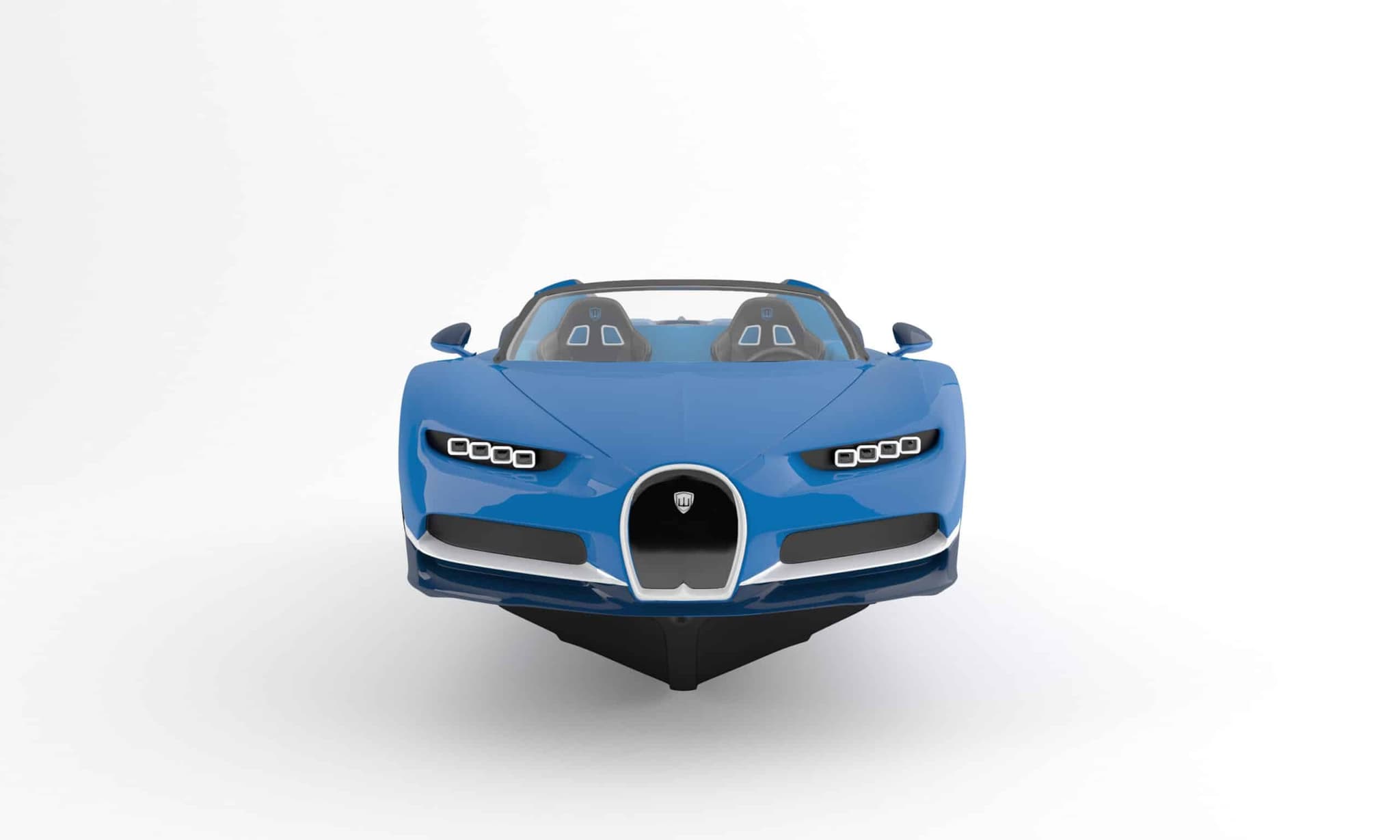 $90,000
WBC Model B
The ultimate expression of performance. When only the absolute best will do, this machine delivers beyond limits.
Keep reading
Related guides that answer the next questions most buyers ask.
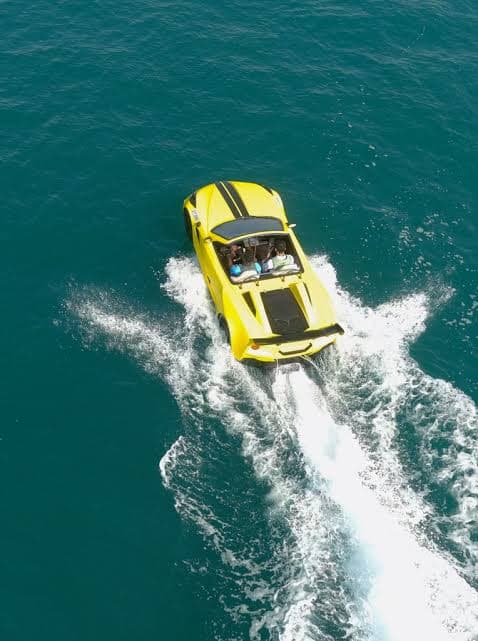
How Fast Do Jet Cars Go? Top Speed by Model
WaterBoatCar jetcars deliver supercar-level performance on water — here's what top speed looks like for each model and what factors determine it.
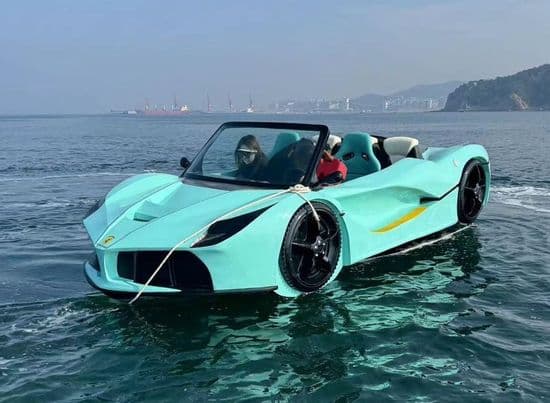
Jetcar Maintenance Costs | WaterBoatCar
Owning a WaterBoatCar jetcar involves marine maintenance costs similar to any high-performance personal watercraft — here's what to budget for.
Cheapest Jet Car Available | WaterBoatCar
Compare WaterBoatCar jetcar models, features, and pricing, including the most accessible options starting at $82,000.
Ready to configure your jetcar?
Choose your model, colours, interior and branding, then submit your build for a confirmed quote and production timeline.