Are Jet Cars Legal Everywhere? | WaterBoatCar
Learn where WaterBoatCar jetcars can operate, which waterways may restrict use, and how to check local boating rules.
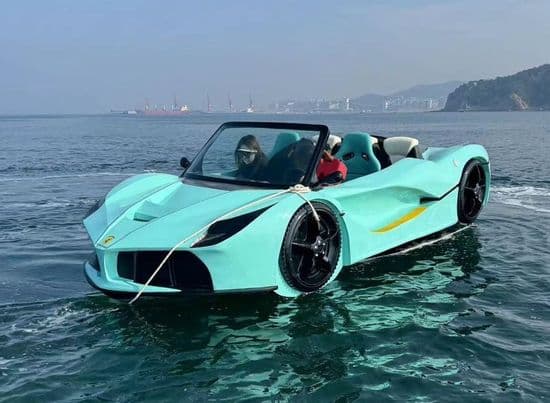
WaterBoatCar jetcars are legal to operate on any public waterway where powerboats are generally permitted — which covers the vast majority of lakes, rivers, coastal areas, and open ocean in most jurisdictions worldwide. That said, all waterways have some rules, and a handful have specific restrictions worth understanding before your first outing in a new location.
What "legal everywhere" actually means
A WaterBoatCar jetcar is registered and operated as a personal watercraft — the same legal classification as a jet ski or powerboat. On any waterway open to motorised vessels, a properly registered jetcar is welcome. The restrictions that apply are not unique to jetcars; they are the standard rules that govern all powered watercraft on shared public water.
The question is not really "is it legal" but "what are the specific rules for this waterway?" — and that is a simpler, more productive question to research before any outing.
Common waterway restrictions you will encounter
Across most public waterways, these are the rules every powered vessel operator should understand:
| Restriction type | Where you typically encounter it | What it means in practice |
|---|---|---|
| No-wake zones | Near marinas, docks, residential shorelines, bridge approaches | Idle speed only — no wave-creating thrust |
| Posted speed limits | Some lakes, rivers, and protected coastal areas | Maximum speed stated on waterway signs |
| Distance-from-shore limits | Near swimming areas, beaches, designated swim zones | Minimum distance to maintain at speed |
| Seasonal closures | Environmentally sensitive areas, wildlife nesting zones | Waterway closed to all recreational traffic for a defined period |
| Day-use permits | Some state and national parks with boat ramps | Annual or day-use fee beyond standard registration |
| Jet propulsion restrictions | Very rare — a handful of specifically protected environmental zones | Applies to all jet-drive vessels, not just jetcars |
The last category — specific restrictions on jet propulsion — is genuinely rare and worth knowing about only if you regularly operate in protected marine reserves or highly sensitive ecological areas. For the vast majority of boating destinations, standard watercraft rules are what apply.
Why jet propulsion is an advantage in more places, not fewer
Because a WaterBoatCar jetcar's propulsion system draws water through a hull intake rather than spinning an external propeller, the vessel can operate safely in shallower water than most propeller-driven boats. There is no blade beneath the hull at risk of striking a sandy or rocky bottom, which means waterways that are too shallow for many powerboats remain accessible.
This is particularly useful in:
- Shallow coastal bays and tidal flats
- Sandy-bottomed lakes with variable depth
- Approaching beaches and boat ramps with gradual depth change
- Shallow-water destinations common in Caribbean and Gulf of Mexico boating
The practical result is that a WaterBoatCar jetcar can access more destinations, not fewer, compared to many propeller-driven alternatives.
Checking the rules for a specific waterway
The most reliable approach before visiting a new location is a direct check with the relevant authority. A few practical sources:
Your local marina or boat ramp operator. The staff at any working marina know the specific rules for their waterway, including which zones are restricted, where speed limits apply, and whether there are any permits needed.
Your state's marine or boating authority. Most US states publish their complete waterway rules online through the Department of Natural Resources, Fish & Wildlife division, or Boating Bureau. Searching your state name plus "boating regulations" will find it.
Marine charts and navigational apps. Charts mark no-wake zones, restricted areas, and speed-limit zones. Boating apps like Navionics or Active Captain often include crowd-sourced local knowledge on top of official chart data.
Our delivery team. When you take delivery of a WaterBoatCar jetcar, our team provides guidance on popular boating destinations near your location and any specific rules worth knowing for those areas.
Pros and cons of the waterway rules picture
Pros
- The vast majority of public waterways are open to WaterBoatCar jetcars with standard vessel registration.
- Jet propulsion allows safe operation in shallower water than many propeller boats.
- No-wake zones and speed limits are identical to what any powerboat owner navigates — nothing unusual applies specifically to jetcars.
- Well-documented rules make compliance straightforward with minimal research.
Cons / things to plan for
- A handful of environmentally sensitive areas restrict jet propulsion specifically — worth checking if you operate near marine reserves.
- No-wake zones in busy marinas require patience and awareness, especially early in ownership while handling is still new.
- Seasonal closures can affect access to certain destinations at specific times of year.
- Local day-use permit requirements in some areas add an administrative step for new destinations.
Navigating no-wake zones with a WaterBoatCar jetcar
No-wake zones deserve a specific note for new owners. Operating at idle speed in a no-wake zone in a vessel with jet propulsion requires some awareness: at very low speeds, a jet-propelled vessel's steering authority depends on water flowing through the nozzle, which means slow-speed maneuvering feels slightly different from driving a car. Our how jet cars work guide covers this in detail, and every delivery includes a handling orientation that covers exactly this.
The practical skill to develop: carry just enough throttle through confined spaces to maintain steerage, rather than dropping to zero thrust and drifting. This becomes instinctive quickly and makes marina navigation smooth and controlled.
What our team provides during delivery
Legal operation includes more than just knowing where you can go — it also means understanding registration, required safety equipment, and local waterway rules for your specific area. When you take delivery of a WaterBoatCar model, our team covers:
- Your state's or country's specific boating registration and licensing requirements
- Required safety equipment for your jurisdiction
- Guidance on popular boating destinations near your location
- Any specific local restrictions worth knowing about
This is part of every delivery rather than something you navigate alone. The goal is that you leave delivery confident about both the vessel and the context in which you will use it.
Final thoughts
WaterBoatCar jetcars are legal to operate wherever powerboats are welcomed — which, in practice, means almost every public lake, river, coastal area, and open ocean worldwide. The restrictions that exist are the same waterway rules every boat owner follows: no-wake zones, speed limits, seasonal closures, and distance-from-shore requirements. Understanding them before a new destination is simply good seamanship, and our team is part of that preparation. Explore the models below to see the full lineup, and read our guide on whether jet cars are street legal for the broader legal classification picture.
Frequently Asked Questions
Are WaterBoatCar jetcars legal to operate on public waterways?
Yes — WaterBoatCar jetcars are legal to operate on any public waterway where powerboats are generally permitted, which covers the vast majority of lakes, rivers, coastal areas, and open ocean in most jurisdictions.
What waterway restrictions might I encounter with a jetcar?
Common restrictions include no-wake zones near marinas and docks, posted speed limits on some waterways, seasonal closures in environmentally sensitive areas, and occasionally local permit requirements for day use or annual registration.
Are there places where jet propulsion is specifically banned?
Very rarely — a small number of environmentally sensitive protected areas restrict all motorised vessels or specifically restrict jet-propulsion systems. These are exceptions, not the norm, and are worth checking before visiting a new location.
Does jet propulsion give WaterBoatCar jetcars any waterway advantage over propeller boats?
Yes — because jet propulsion draws water from below the hull rather than spinning an external blade, WaterBoatCar models can operate safely in shallower water than many propeller-driven boats, opening up more waterways and destinations.
How do I find out the specific rules for a waterway I want to visit?
Check with your local marina, the boat ramp operator, or the relevant state or national marine authority. Our team also provides guidance on popular boating destinations and their specific rules as part of the delivery process.
Do jetcars need to follow the same no-wake zone and speed limit rules as other boats?
Yes — WaterBoatCar jetcars are registered and operated as personal watercraft and are subject to exactly the same waterway rules as any other powered vessel, including no-wake zones, speed limits, and distance-from-shore requirements.
Explore the models
Every WaterBoatCar jetcar is hand-finished to order. Tap a model to see specifications, gallery and pricing.
 $98,000
WBC Model MG
The definitive off-road legend now commands the open sea. Engineered for performance, designed for presence, and crafted to carry up to six in uncompromising luxury.
 $84,000
WBC Model RR
Crafted for those who refuse to arrive unnoticed. A presence worthy of royalty. A statement beyond status.
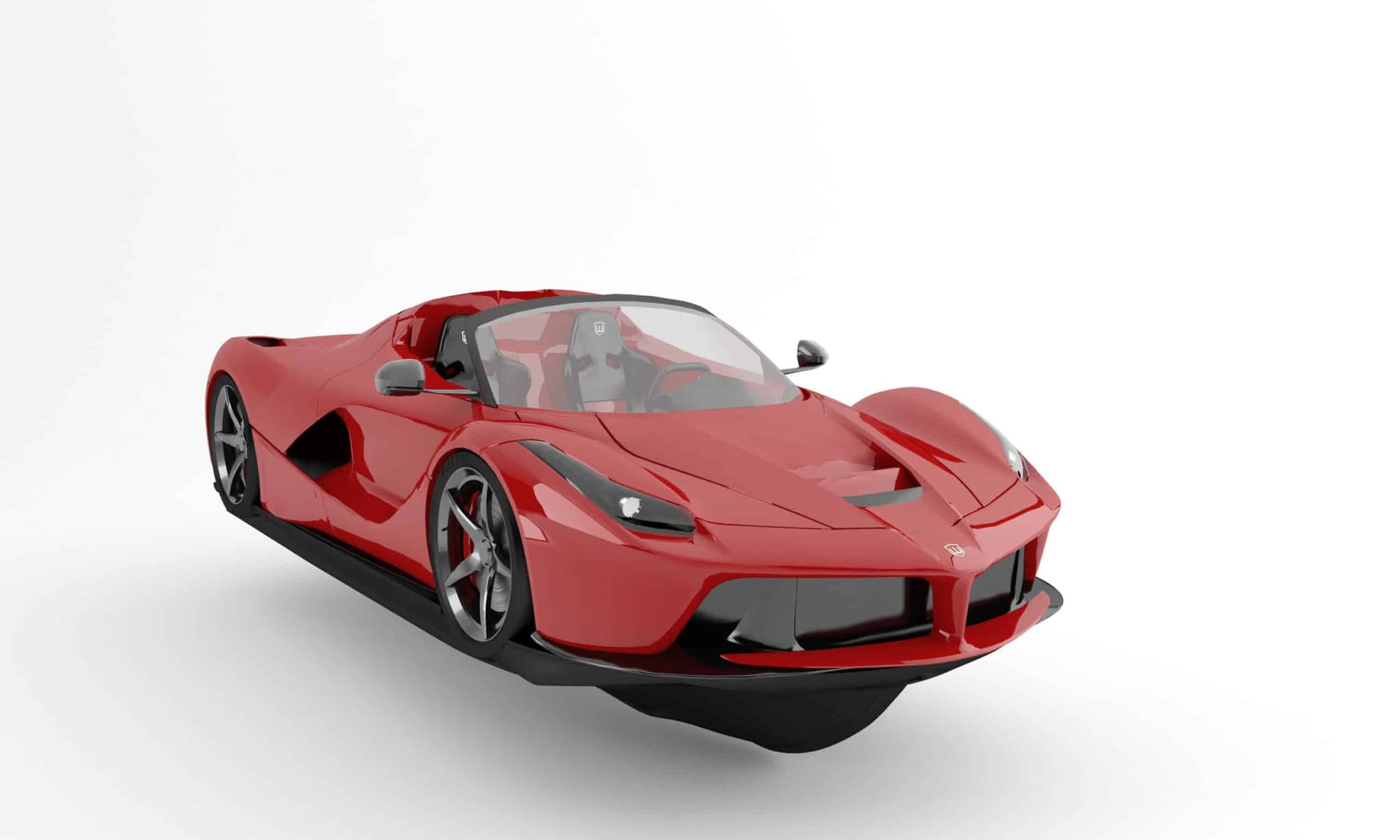
 $82,000
WBC Model LA
The pinnacle of super sports performance — now reborn on water. Where Italian passion fuels pure speed.
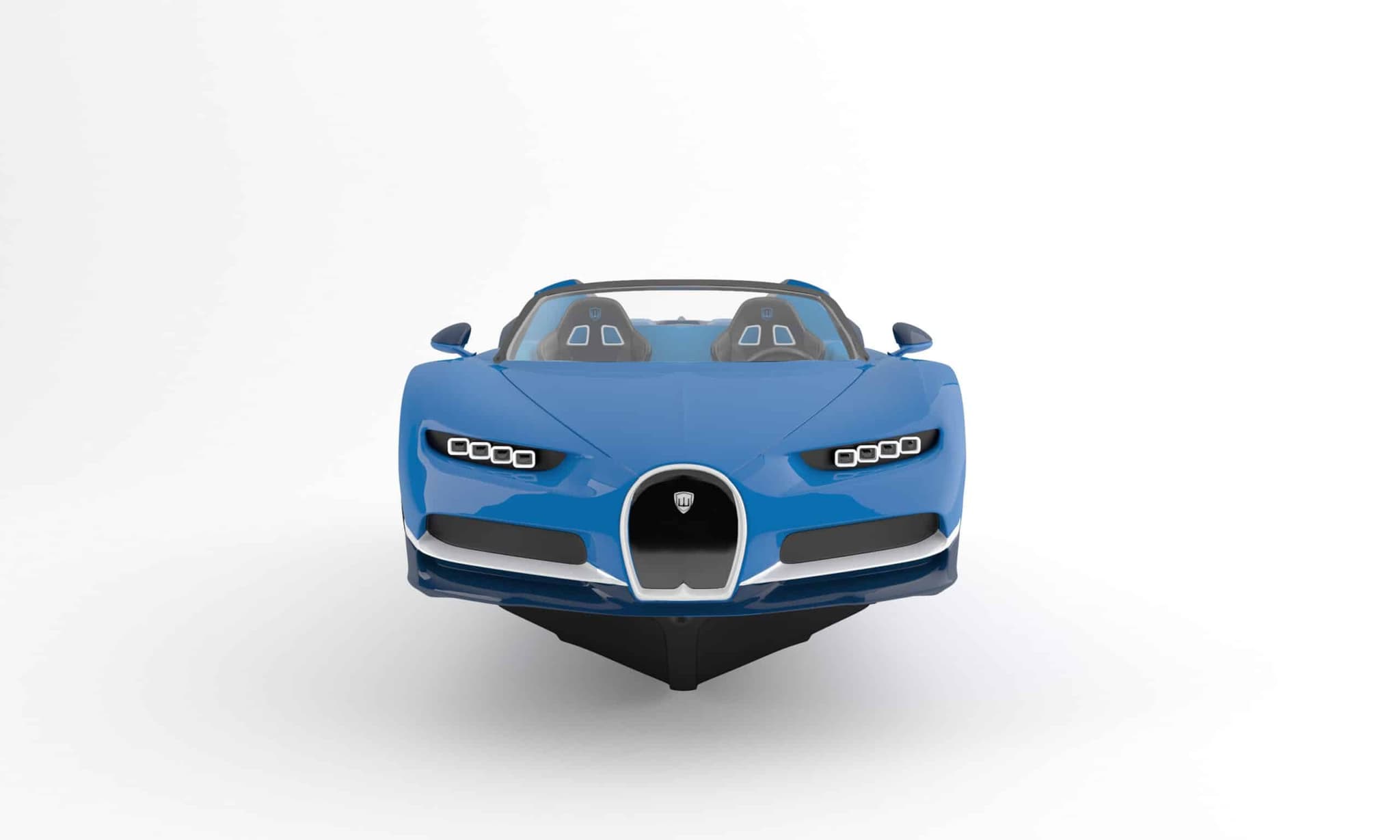
 $82,000
WBC Model FLF
Unmatched speed. Now unleashed on water. Driven by Italian passion, engineered for pure performance.
 $90,000
WBC Model B
The ultimate expression of performance. When only the absolute best will do, this machine delivers beyond limits.
Keep reading
Related guides that answer the next questions most buyers ask.
Are Jet Cars Street Legal? | WaterBoatCar
Understand jetcar classification, waterway rules, registration, licensing, and ownership requirements before your first outing.
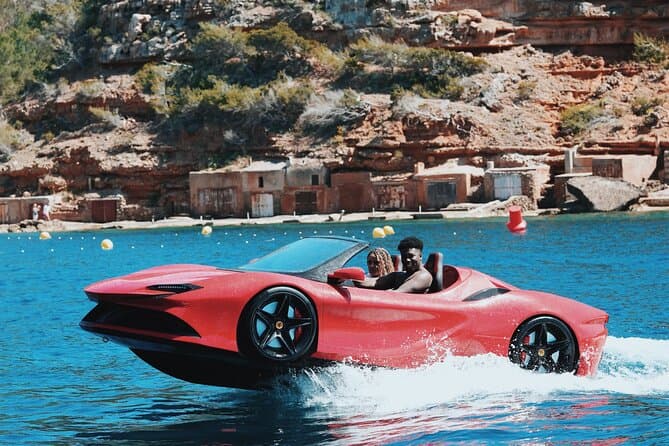
Are Jet Cars Legal in My State? | WaterBoatCar
WaterBoatCar jetcars are watercraft, not road vehicles — here's what that means for registration, licensing, and where you can legally operate one.
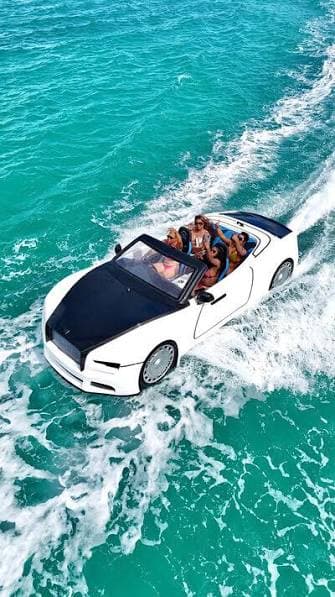
Is It Legal to Own a Jet Car? | WaterBoatCar
Yes, owning a WaterBoatCar jetcar is completely legal — here's the important difference between simply owning one and being licensed to operate it.
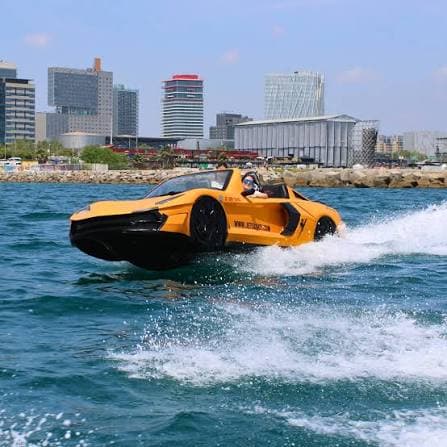
Can You Drive a Jet Car on Roads? | WaterBoatCar
WaterBoatCar jetcars are built exclusively for water — learn why they cannot be driven on roads and how to transport one safely by trailer.
Ready to configure your jetcar?
Choose your model, colours, interior and branding, then submit your build for a confirmed quote and production timeline.