How Fast Do Jet Cars Go? Top Speed by Model
WaterBoatCar jetcars deliver supercar-level performance on water — here's what top speed looks like for each model and what factors determine it.
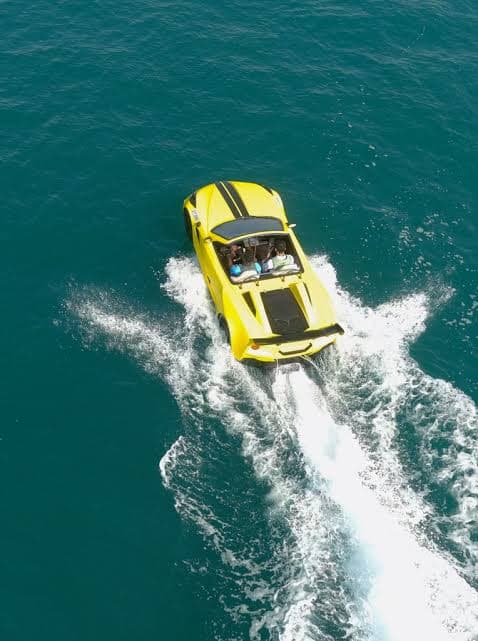
How fast do jet cars go is one of the most commonly asked performance questions about WaterBoatCar models — and the honest answer requires looking at a few key factors rather than quoting a single blanket number that would not accurately reflect your specific model or conditions.
The honest answer: it depends on three things
First: engine output. Every WaterBoatCar model runs a high-output marine jet propulsion engine, generally in the 200–300 horsepower range. This places every model firmly in the genuine high-performance tier — well above entry-level jet skis, comparable to the most powerful premium personal watercraft on the market. Exact engine tuning varies slightly by model.
Second: hull weight and design. The five current models are genuinely different vessels. The Ferrari and Lamborghini-inspired models carry fewer passengers and less hull weight than the four-seat Bugatti-inspired Model B, and far less than the four-seat enclosed-cabin Mercedes G-Class-inspired Model MG. At comparable horsepower, lighter hulls go faster. The performance difference across the lineup is a matter of design priority — outright speed versus passenger capacity and comfort — not a difference between fast and not fast.
Third: real-world conditions on the day. Flat, calm water allows for significantly higher achievable speeds than choppy or rough conditions. Passenger load and fuel level also affect real-world performance. This is universally true of any high-performance boat, not a limitation specific to WaterBoatCar models.
Performance across the lineup: a directional guide
| Model | Design inspiration | Seats | Performance priority | Relative top speed |
|---|---|---|---|---|
| Model FLF | Ferrari | 2–4 | Agility and outright speed | Highest |
| Model LA | Lamborghini | 2–4 | Agility and outright speed | Highest |
| Model RR | Rolls-Royce | 4–6 | Passenger capacity and presence | High |
| Model B | Bugatti Chiron | 2–4 | Raw power and presence | High |
| Model MG | Mercedes G-Class | 4–6 (enclosed) | Comfort and cabin protection | High, somewhat lower than lighter models |
This table shows the directional pattern rather than exact numbers. Every model delivers genuine high-performance marine operation. The variation across the lineup reflects hull weight and design priority, not any difference in engineering quality or engine category.
Exact, model-specific top-speed figures are provided by our team as part of the quote and delivery process — real, tested numbers for your specific build rather than a generic marketing figure.
Why we do not publish one universal top-speed number
Because we build to order rather than mass-producing a single fixed specification, and because the five current models are genuinely different vessels, publishing one blanket top-speed claim across the lineup would be misleading. A number accurate for the lighter Ferrari-inspired model would overstate what the heavier Model MG achieves, and a number accurate for the Model MG would undersell what the lighter two-passenger models can do.
We think serious buyers are better served by honest, model-specific numbers than by a single marketing figure that suits one model and misrepresents others. That is the standard we hold ourselves to.
Jet car speed vs jet ski vs powerboat: a realistic comparison
| Vessel type | Typical engine output | Typical top speed range | Passenger capacity |
|---|---|---|---|
| Entry-level jet ski | 60–100 hp | 50–60 mph | 1–3 |
| Performance jet ski | 130–160 hp | 65–70 mph | 1–3 |
| WaterBoatCar jetcar (lighter models) | 200–300 hp | Performance tier | 2–4 |
| WaterBoatCar jetcar (Model MG) | 200–300 hp | High performance | 4–6 (enclosed) |
| Performance runabout powerboat | 250–400 hp | 60–80 mph | 4–8 |
The WaterBoatCar lineup sits in genuine high-performance territory — above entry-level and mid-range jet skis, comparable to top-tier performance personal watercraft and small high-performance powerboats. The difference is that no jet ski in the world looks like a Bugatti Chiron or a Lamborghini.
What affects your real-world speed on any given outing
Even with an accurate baseline specification for your model, real-world achievable speed on a specific day will be shaped by:
Water conditions. Flat, glassy water is where maximum performance is achievable. Even moderate chop reduces what you can safely and comfortably reach, because hull impact at high speed in rough water limits practical throttle use.
Passenger load. More passengers mean more weight, which reduces top speed and acceleration. The difference between a solo rider and a full complement of passengers is meaningful on any performance vessel.
Fuel load. A full tank weighs more than a near-empty one. For most recreational use this effect is minor, but it is worth understanding if you are testing performance figures.
Throttle technique. Smooth, progressive throttle application is more efficient than aggressive, jerky inputs. Experienced operators typically extract better real-world speed from a given vessel than inexperienced ones.
Wind. Headwinds create meaningful drag at high speed. Running with the wind typically produces better speeds than running into it.
Speed-focused model selection: what to consider
If outright top speed is genuinely your top priority:
Choose a lighter model. The Ferrari-inspired Model FLF and Lamborghini-inspired Model LA are the lightest vessels in the lineup, and all else being equal, lighter means faster.
Specify a performance-focused configuration. Discuss this with your WaterBoatCar advisor during the quote process. Some configuration choices can be oriented toward performance optimisation.
Plan for ideal conditions. Maximum performance figures are achieved on flat, calm water. If you typically boat in choppy conditions, your real-world experience will differ from tested flat-water figures regardless of which model you choose.
Consider the full picture. Speed is one dimension of the experience. The handling feel, the visual impact, the comfort on longer outings, and the practicality of passenger capacity all matter. Our model pricing guide helps frame all five options against each other so you can make the decision that fits your actual use case rather than just the top-speed headline.
Pros and cons of the WaterBoatCar performance envelope
Pros
- High-output engines across the entire lineup — genuine performance, not entry-level specification
- Lighter two-passenger models deliver maximum outright speed in the lineup
- Immediate, responsive throttle thanks to marine jet propulsion's direct thrust mechanism
- No exposed propeller means high-speed operation is safer around swimmers and in shallow approaches
- The performance experience matches the visual promise of the supercar-inspired design
Cons
- Real-world speed is condition-dependent — choppy water meaningfully reduces achievable speed
- Heavier models (Model MG) trade some outright speed for passenger capacity and comfort
- High-output engines burn more fuel at full throttle — spirited use reduces range meaningfully
- Exact performance figures are confirmed during quote rather than published universally
If maximum speed is your primary criterion
Say so clearly when you reach out to our team. Whether you are comparing the Ferrari and Lamborghini-inspired models against each other, or weighing speed against the passenger capacity of the Bugatti or Rolls-Royce-inspired models, our advisors can walk you through the exact, tested figures for each model you are considering — and give you an honest, direct answer about which choice best supports your priorities.
Our horsepower guide goes deeper on the engine specifications behind the performance numbers, and our how jet cars work guide explains the propulsion mechanism that determines how speed, steering, and stopping all work together.
The experience of speed on a WaterBoatCar: what it actually feels like
Raw numbers describe performance in theory. What it feels like in practice is a different kind of conversation — and one that matters for prospective buyers who want to know whether the speed capability actually translates to an exhilarating experience.
Marine speed feels faster than equivalent road speed. This is a well-documented phenomenon among drivers who also operate high-performance boats: at 60 mph on water, in an open vessel with wind, water spray, and the physical sensation of hull contact with the surface, the experience is considerably more visceral than 60 mph on a motorway in an enclosed car. Proximity to the surface, noise, the feedback through the hull from water conditions — these all amplify the sensation of speed in a way that road driving, for most people, does not match at equivalent velocities.
For a WaterBoatCar jetcar with its open design (on the four open-deck models), the driver and passengers are directly in that environment. The wind is real. The spray is real. The feedback from the hull is immediate. The throttle response is instantaneous. None of this is cushioned by an enclosure. This is why the experience is genuinely exciting well below the maximum speed figure — it starts delivering well before the speedometer tells you it should.
The Model MG's enclosed cabin changes this deliberately: it trades the raw open-air experience for a more composed, protected environment that is more comfortable at sustained speed over longer durations and in slightly rougher conditions.
How acceleration compares to top speed as a day-to-day experience
Most buyers who are drawn to performance vessels find, after some time with them, that acceleration is as enjoyable as outright top speed — sometimes more so. This is true on the road with sports cars, and it translates equally to the water.
Marine jet propulsion delivers its thrust directly from the impeller outflow — there is no clutch slip, no gearing delay, no build-up period in the way a mechanical drivetrain has. The response is immediate and direct from the moment you open the throttle. The sensation of acceleration from a standing start or from a moderate cruising speed to full throttle is sharp and immediate in a way that surprises many first-time operators.
This matters for day-to-day use because most real-world outings involve a mix of throttle settings — launching, navigating harbour zones at low speed, opening up in clear water, backing off around other vessels, then running again. The high-output marine engine in every WaterBoatCar model is responsive across this full range, not just impressive at one end of it.
Performance in different waterway types
The performance character of any high-performance vessel changes with the environment. Understanding how your specific usage context affects what you will actually experience helps set realistic expectations:
Open ocean or large lake, calm conditions: This is where maximum performance figures are achievable. Flat water, no traffic, no speed restrictions — the full capability of the engine and hull is available to you.
Coastal and inshore waters: Performance is real but throttle discipline matters more. Other vessel traffic, variable water depths, wash from larger vessels, and navigational awareness all require attentive operation rather than full-throttle running.
Marina approaches and harbour zones: Most marinas and harbours have strict speed limits — typically 5 mph or less — where you are operating at low speed in close quarters with other vessels, docks, and people. No-wake zones are enforced in most jurisdictions and should be respected rigorously regardless of vessel capability.
Choppy or rough conditions: Performance is still real, but the sensation changes and the comfortable maximum speed lowers. Hull impact in significant chop at high speed becomes physically demanding and reduces both enjoyment and the responsible operating ceiling.
The practical outcome for most buyers: you will run at full performance capability in a fraction of your total outings. This is fine — it is the same relationship car buyers have with a sports car's top speed. What makes a performance vessel enjoyable day-to-day is the character across the whole operating range, not just the maximum.
Final thoughts
How fast a WaterBoatCar jetcar goes depends on the specific model, its configuration, and the conditions you are running it in. Every model delivers genuine high-performance marine operation — well into the performance tier, not entry-level. The lighter two-passenger designs achieve the highest outright speeds; the larger models trade some outright speed for passenger capacity and comfort without leaving the high-performance category. Our team provides real, tested, model-specific figures during the quote process so your decision is based on accurate numbers rather than a marketing headline. If you are weighing models against each other, our advisors can walk through the exact performance differences side by side so you choose with full information.
Frequently Asked Questions
How fast do jet cars go?
WaterBoatCar models are built with high-output marine engines in the 200–300 horsepower range, placing them firmly in the performance tier of luxury personal watercraft. Exact top speed varies by model — lighter designs like the Ferrari and Lamborghini-inspired models achieve higher top speeds than the larger, heavier Model MG.
Which WaterBoatCar model is the fastest?
Generally, the lighter two-passenger models — the Ferrari-inspired Model FLF and Lamborghini-inspired Model LA — achieve the highest top speeds, as less hull weight at comparable horsepower produces better outright speed.
Does water condition affect top speed significantly?
Yes, meaningfully. Flat, calm water allows for notably higher achievable speeds than choppy or rough conditions — the same relationship true of any high-performance powerboat.
Is there a performance-focused configuration option?
Discuss this directly with your WaterBoatCar advisor during the quote process — some models can be configured toward a more performance-focused setup depending on your priorities.
Can I test the speed before buying?
Ask about test experience options at our Miami or Dubai showrooms as part of your pre-purchase conversation with our team.
Does adding configurator options affect top speed?
Standard configurator options generally have minimal impact on performance. Any configuration choices with a potential performance effect would be discussed directly with your advisor.
Explore the models
Every WaterBoatCar jetcar is hand-finished to order. Tap a model to see specifications, gallery and pricing.
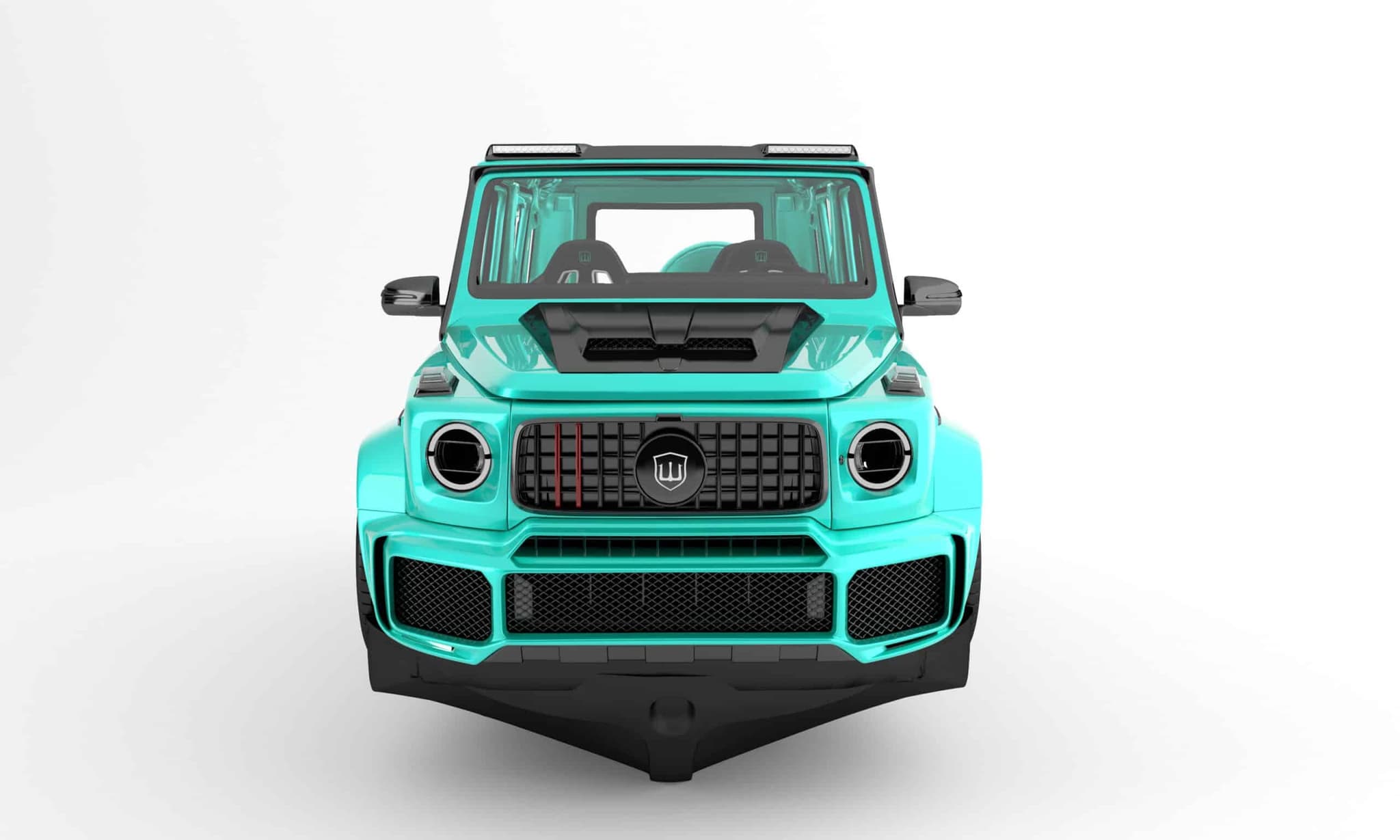 $98,000
WBC Model MG
The definitive off-road legend now commands the open sea. Engineered for performance, designed for presence, and crafted to carry up to six in uncompromising luxury.
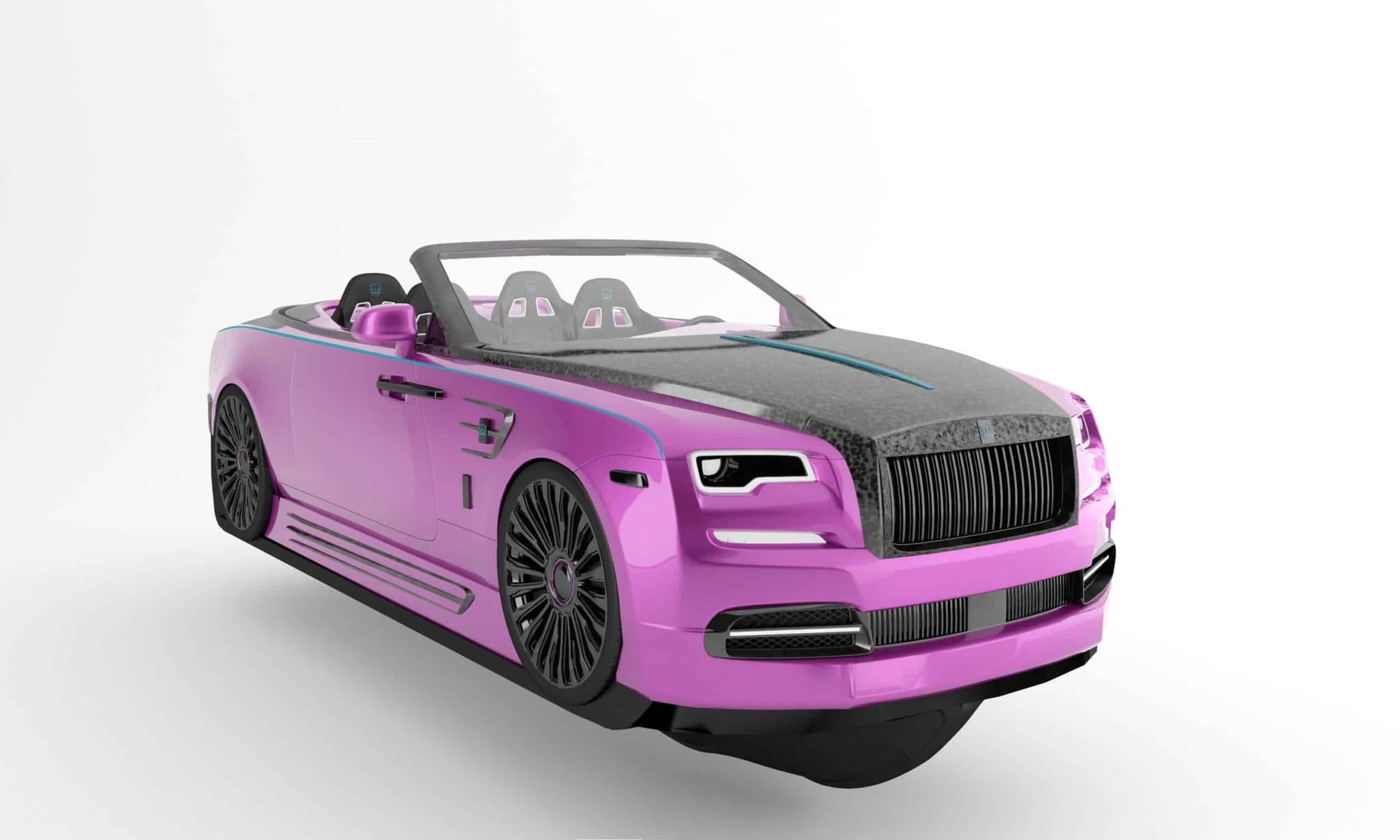 $84,000
WBC Model RR
Crafted for those who refuse to arrive unnoticed. A presence worthy of royalty. A statement beyond status.
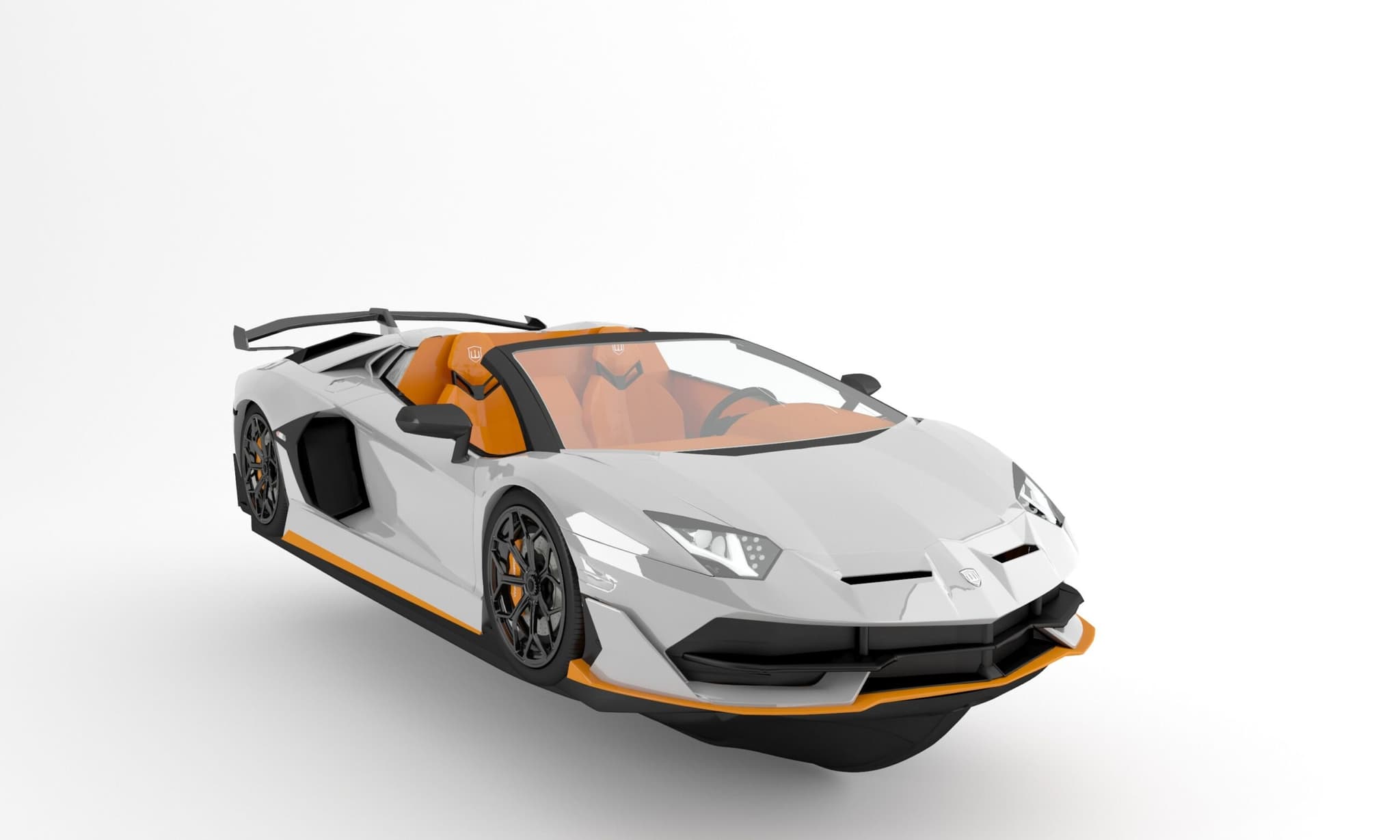 $82,000
WBC Model LA
The pinnacle of super sports performance — now reborn on water. Where Italian passion fuels pure speed.
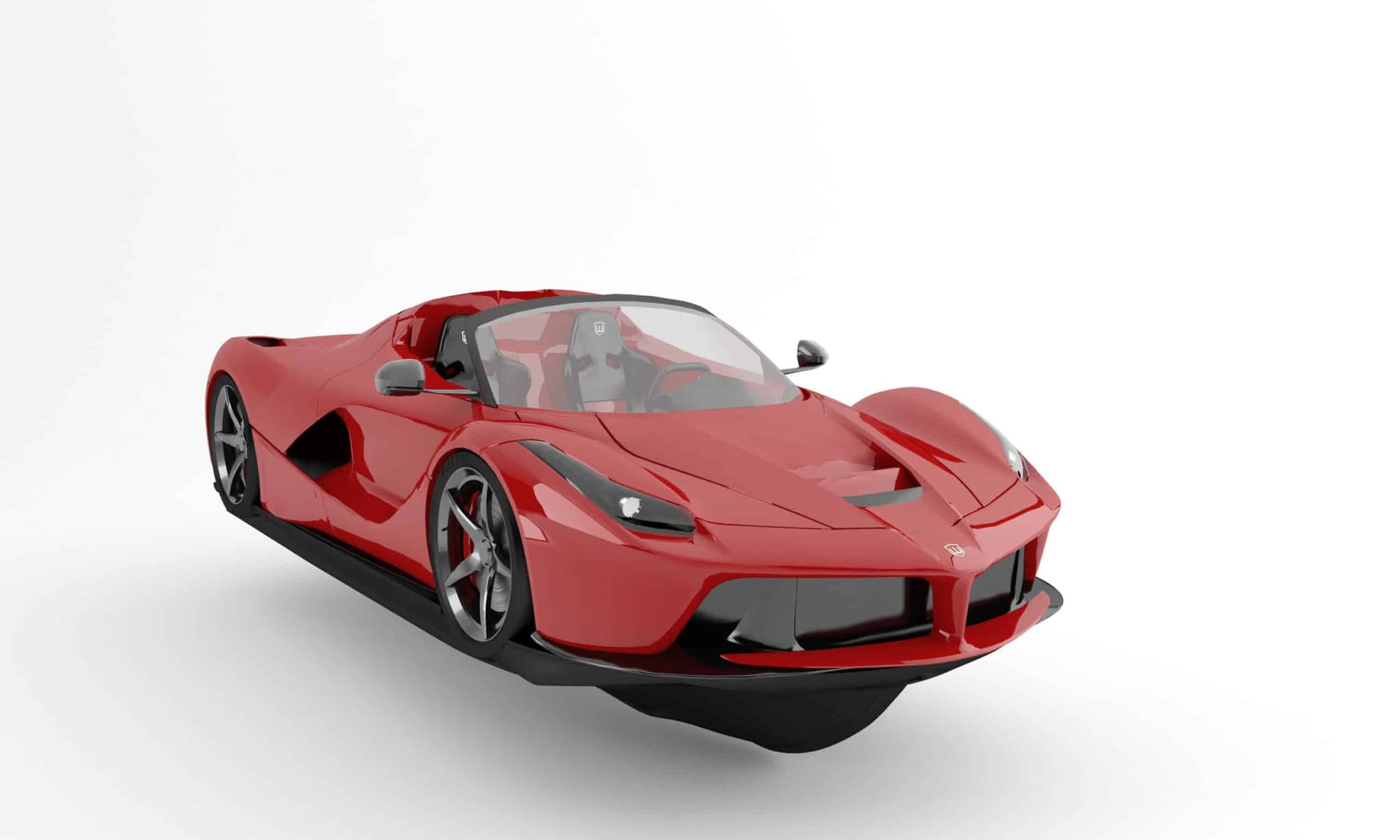 $82,000
WBC Model FLF
Unmatched speed. Now unleashed on water. Driven by Italian passion, engineered for pure performance.
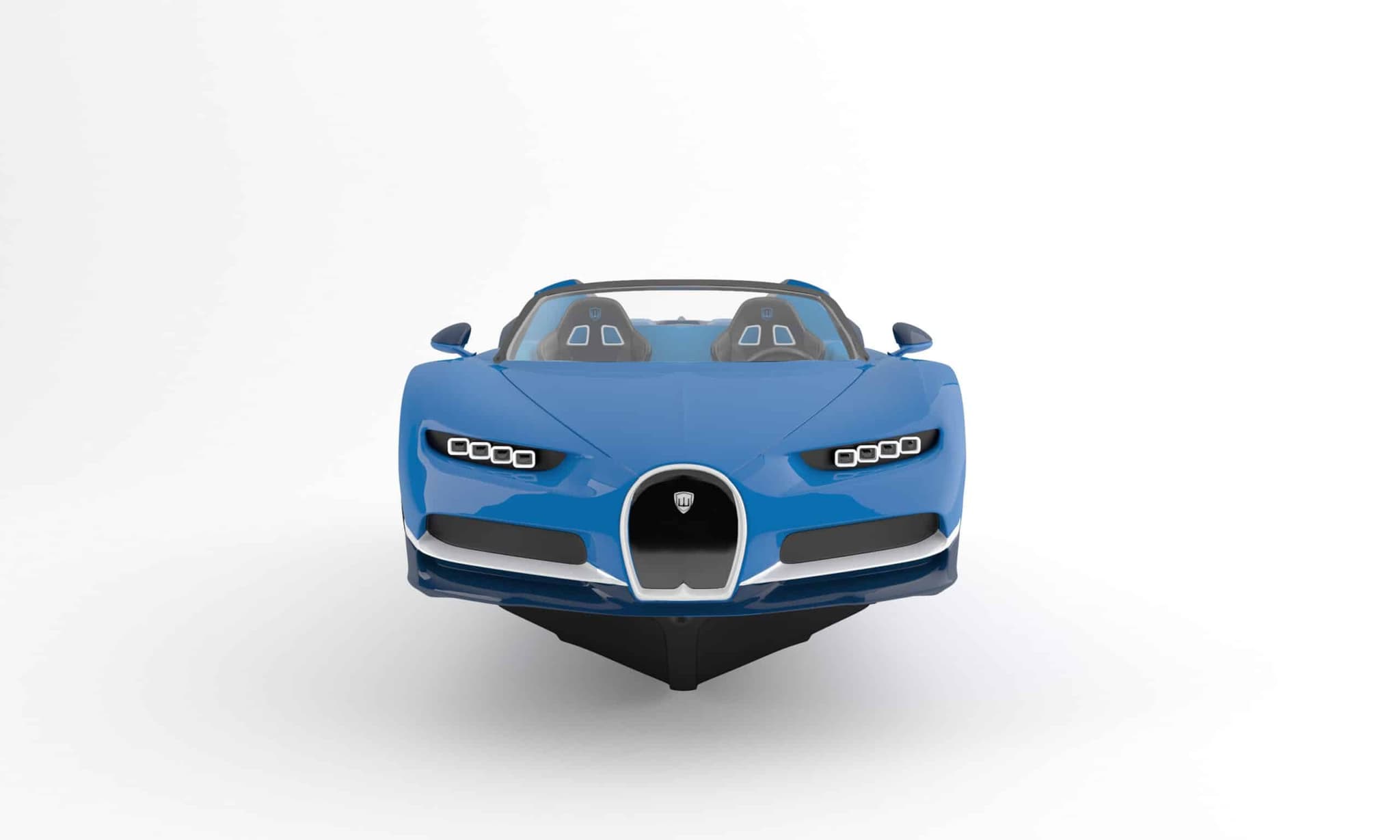 $90,000
WBC Model B
The ultimate expression of performance. When only the absolute best will do, this machine delivers beyond limits.
Keep reading
Related guides that answer the next questions most buyers ask.
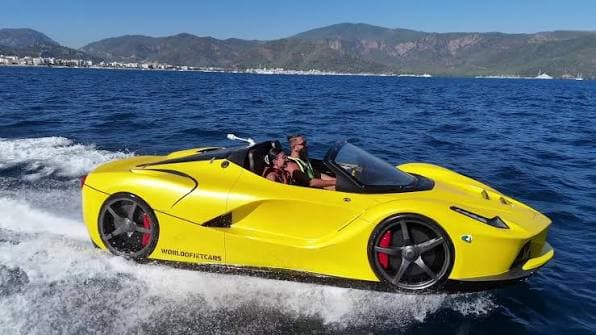
Jetcar Horsepower Guide | WaterBoatCar
Compare horsepower across the WaterBoatCar luxury jetcar lineup and learn how engine output affects speed, handling, and on-water performance.
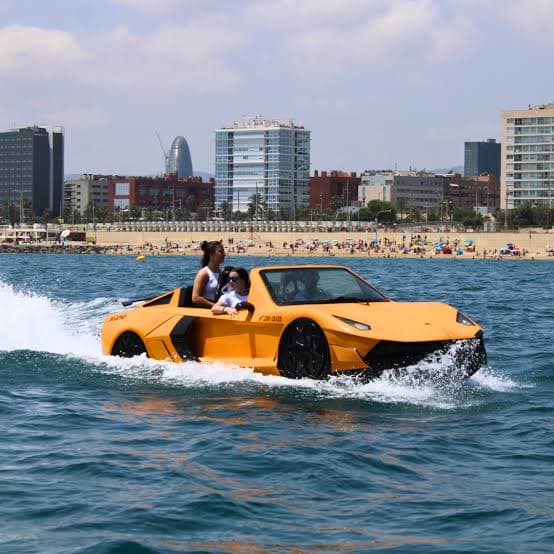
How Do Jet Cars Work? Jet Propulsion Explained
WaterBoatCar jetcars use marine jet propulsion, not propellers — here's how the technology actually moves you across the water.
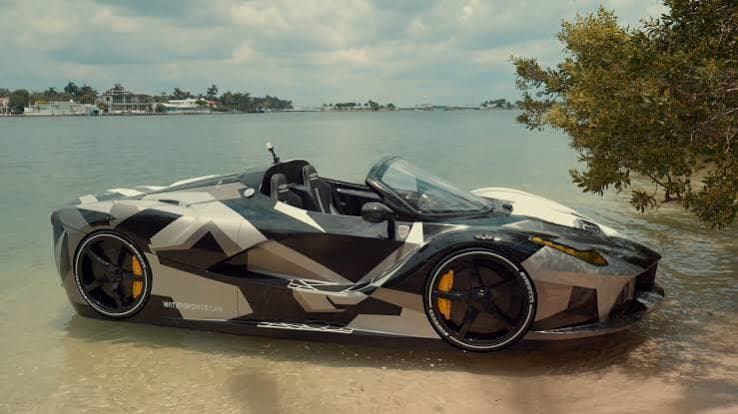
How Safe Are Jet Cars? | WaterBoatCar
WaterBoatCar jetcars are built with marine-grade safety features — from enclosed cabin protection to jet propulsion designed without exposed propellers.
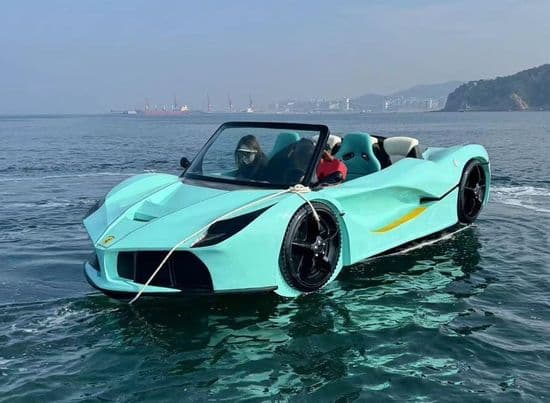
What's the Difference Between a Jet Car and a Regular Car?
A WaterBoatCar jetcar looks like a supercar but functions as a watercraft — here's exactly how it differs from a real car.
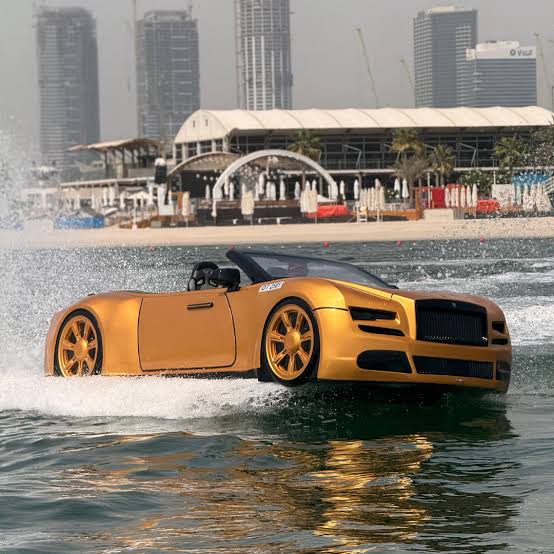
How Much Does a Jet Car Cost? | WaterBoatCar
See starting prices for every WaterBoatCar jetcar model, what is included, and which features affect the final cost of a custom build.
Ready to configure your jetcar?
Choose your model, colours, interior and branding, then submit your build for a confirmed quote and production timeline.