Jet Car vs. Jet Ski: What's the Real Difference?
Compare a WaterBoatCar jetcar with a traditional jet ski across design, comfort, performance, handling, ownership, and everyday use.
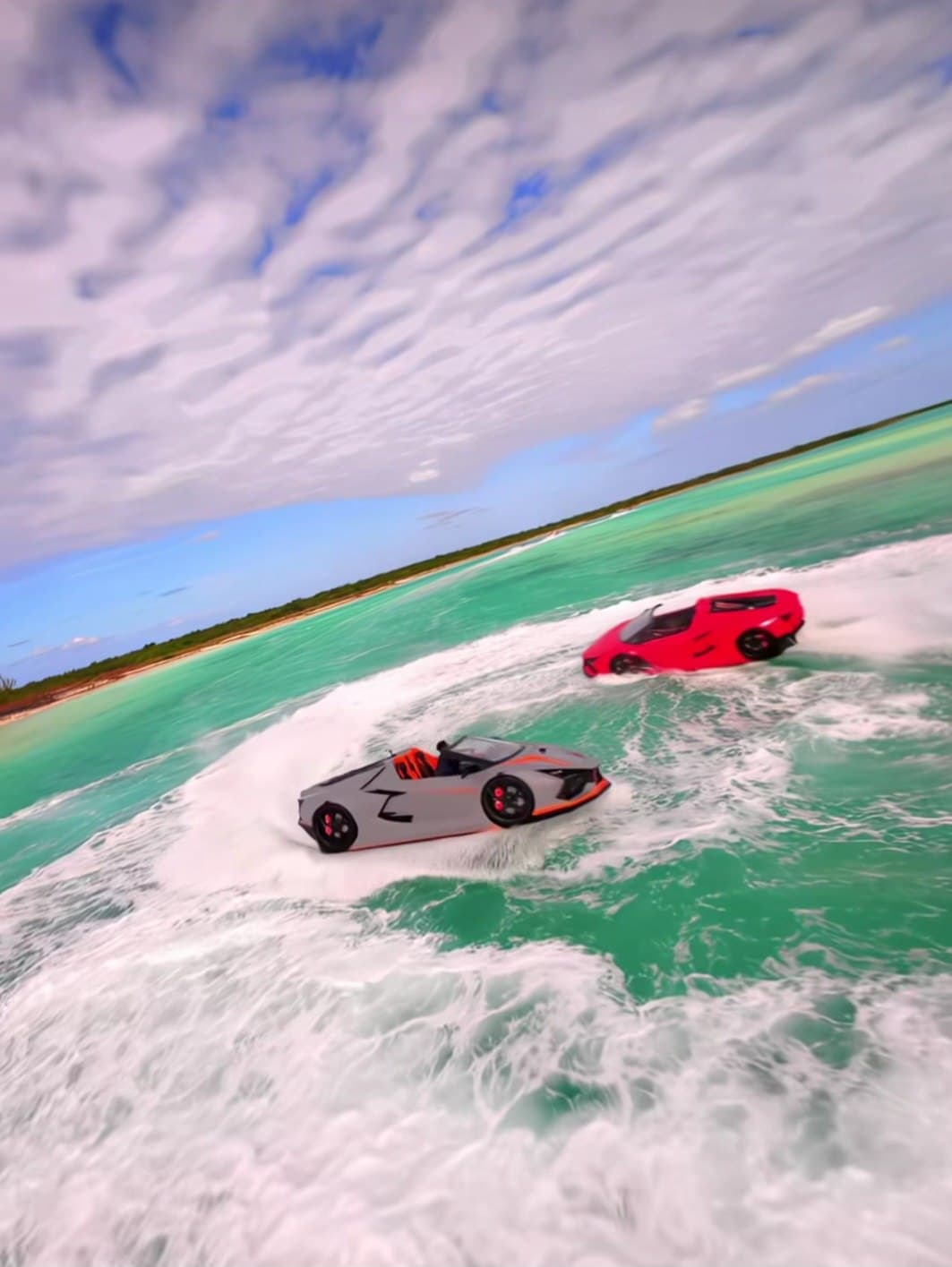
Jet car vs jet ski is a comparison that comes up naturally when people first discover WaterBoatCar models — both are jet-propelled, both are personal watercraft, so what exactly is the difference? The honest answer is that while the propulsion technology is related, the actual experience, design intent, passenger capacity, and price category are quite different. This guide covers every meaningful dimension of the comparison so you can understand clearly which category better fits what you are actually looking for.
The shared technology: what makes them similar
Start with what is genuinely the same. Both a jet ski and a WaterBoatCar jetcar use marine jet propulsion: an impeller draws water in from below the hull and expels it rearward through a steerable nozzle to generate thrust and direction. This is the defining characteristic of the "jet" category for both products.
The practical implications of this shared technology:
- No exposed external propeller — significantly safer around swimmers and in shallow water
- Steering is dependent on forward thrust — minimal steering authority at very low speeds
- Stopping uses reverse thrust and water drag rather than a mechanical brake
- Impeller inspection is an ongoing maintenance requirement for both
Beyond propulsion, the similarities largely end. What you sit in, how it handles, what it looks like, how many people it carries, what it costs, and what experience it delivers are all genuinely different.
The complete comparison: every meaningful dimension
Size and seating
Jet ski: Compact — typically 7–10 feet in length. Straddle-seated riding position designed for one to three riders sitting in a row. Low and nimble, built to be thrown around aggressively.
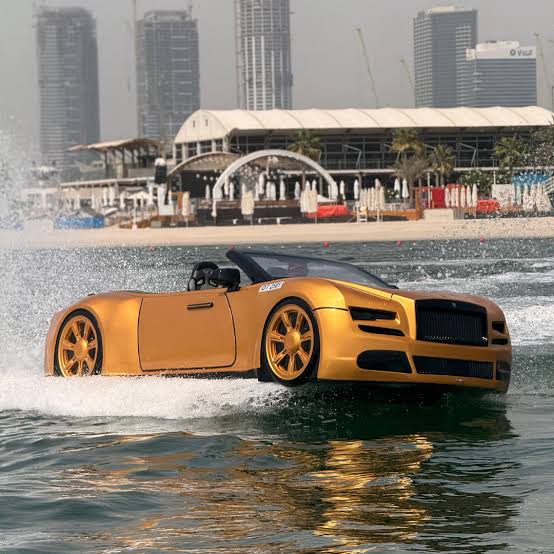
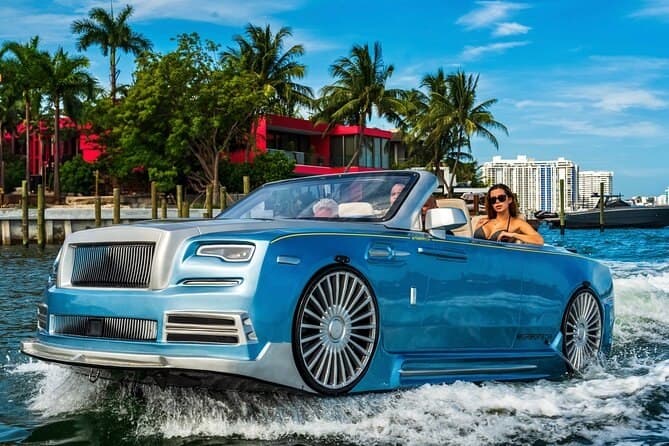
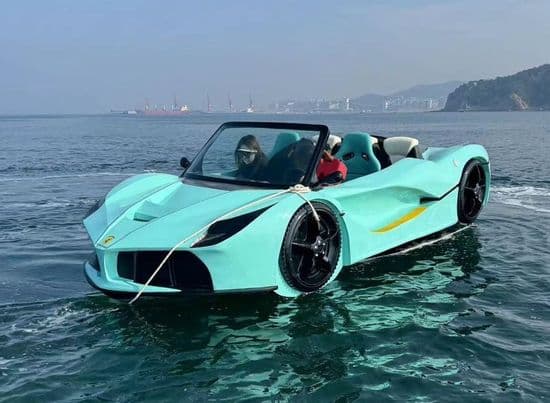
WaterBoatCar jetcar: Substantially larger — proportionally closer to a small sport boat than a jet ski. Proper seated positions with real upholstery — not a straddle posture. Up to 4–6 passengers on the Model MG. The physical experience is fundamentally different: you are riding in a supercar-shaped vessel, not crouching over a personal watercraft.
Weather and spray protection
Jet ski: Essentially none on most models. Riders are fully exposed to spray, wind, and sun. This is part of the appeal for many — it is raw and immersive. But it also means it becomes uncomfortable quickly in cooler temperatures, and longer outings in exposed conditions fatigue passengers.
WaterBoatCar (open deck models — FLF, LA, RR, B): More enclosed than a jet ski due to the car-like body structure, but still largely open to the elements. The windscreen and body sides provide more wind protection than a jet ski, but this is not an enclosed environment.
WaterBoatCar Model MG: Fully enclosed cabin with genuine weather, spray, and wind protection. A meaningfully different comfort level for passengers — particularly relevant for group outings, longer durations, or variable conditions.
Handling and agility
Jet ski: Built for maximum agility. Sharp, tight turns, a highly responsive and playful character, fast direction changes. The light weight and compact footprint make it the most manoeuvrable class of personal watercraft.
WaterBoatCar jetcar: Larger and heavier, which means a different handling character. Not built for sharp acrobatic turns — built for confident, stable performance at speed. Think sports car on a sweeping highway versus a go-kart on a tight circuit: both are performance experiences, but genuinely different ones.
Interior craftsmanship and design
Jet ski: Functional and largely utilitarian. Built for performance and fun, not for craftsmanship or luxury. The materials, finishes, and overall experience reflect this — they are purpose-built equipment, not objects you appreciate standing still.
WaterBoatCar jetcar: Built explicitly around a luxury automotive design language. Premium interior upholstery, precision stitching, sophisticated exterior finishes, and styling directly inspired by some of the most iconic supercars in the world — Ferrari, Lamborghini, Rolls-Royce, Bugatti, Mercedes-Benz. The aesthetic experience of the vessel itself is a central part of the product, not an afterthought. It looks extraordinary sitting in a marina even before the engine is started.
Personalisation
Jet ski: Limited colour options selected from manufacturer's standard palette. No meaningful personalisation beyond accessories.
WaterBoatCar jetcar: Full configurator — six exterior colours, interior finish selection, rim style, and optional custom branding. Every vessel is built to order, personalised before it enters production.
Price
Jet ski: Entry-level models from approximately $5,000. Premium performance models up to approximately $18,000–$20,000.
WaterBoatCar jetcar: From $82,000 to $98,000, fully configured.
This is a real difference and worth being straightforward about. The WaterBoatCar price reflects a fundamentally different product category — the design, the craftsmanship, the passenger capacity, the personalisation, and the production process all differ from a jet ski in ways that the price difference represents honestly.
Side-by-side comparison table
| Factor | Jet Ski | WaterBoatCar Jetcar |
|---|---|---|
| Propulsion | Jet | Jet |
| Seating style | Straddle / sit-down | Seated, car-style |
| Passengers | 1–3 | 2–4 (open models) or 4–6 (Model MG / Model RR) |
| Enclosed cabin option | No | Yes (Model MG) |
| Design intent | Performance, agility | Luxury, performance, design identity |
| Interior quality | Functional/utilitarian | Premium upholstery, automotive-grade finish |
| Personalisation | Limited colour only | Full configurator |
| Built to order | No — stock product | Yes — every build is personalised |
| Starting price | ~$5,000–$20,000 | $82,000–$98,000 |
| Maintenance cost | Lower | Somewhat higher |
| Marina presence | Unremarkable | Significant — genuine attention |
| Ideal use case | Solo agility, quick outings | Luxury experience, group outings, lifestyle |
Pros and cons: jet car vs jet ski
WaterBoatCar jetcar — pros
- Supercar-inspired design unlike anything else in any marina
- Up to 4–6 passenger capacity depending on model
- Full configurator personalisation — it is genuinely yours before it is built
- Premium interior craftsmanship you appreciate at rest and at speed
- Enclosed cabin option (Model MG) for all-weather comfort
- High-output engine (200–300 hp) places it in genuine high-performance territory
- No propeller — safer around swimmers and in shallow approaches
WaterBoatCar jetcar — cons
- Significantly higher price than any jet ski
- Less agile and nimble than a lightweight jet ski
- Larger footprint means more storage space required
- More complex maintenance than a simple jet ski
- Cannot replicate the sharp, acrobatic handling character of a competition jet ski
Jet ski — pros
- Much lower price point — accessible for a wider range of buyers
- Maximum agility and playful handling
- Compact storage and trailering
- Simple maintenance
- Well-proven technology with extensive dealer and parts networks
Jet ski — cons
- No luxury design identity — generic appearance
- Straddle seating is less comfortable than seated positions over longer outings
- No meaningful personalisation options
- Fully exposed to elements — uncomfortable in cold or rough conditions
- Limited passenger capacity and no enclosed cabin option
Which one is actually right for you
We would not try to argue that a WaterBoatCar jetcar is the right choice for every buyer — that would be dishonest, and we respect your decision more than that.
A traditional jet ski is likely the better choice if:
- Your primary priority is maximum agility and sharp, playful manoeuvring
- Budget is the primary decision driver
- You primarily ride alone or with one companion for short, high-energy outings
- Simple storage and minimal maintenance complexity matter most to you
- You want something widely available, easily serviced, and replaceable
A WaterBoatCar jetcar is likely the better choice if:
- The design identity and craftsmanship of the vessel matters to you as much as the performance
- You want something that is genuinely unique in any marina you visit
- You regularly want two, three, or four passengers aboard
- The enclosed-cabin comfort of the Model MG fits your use pattern (group outings, variable weather)
- You want a product that is personalised to your specific preferences before it is built
- Performance and luxury in the same product, rather than compromising one for the other, is what you are looking for
Our full cost guide and how jet cars work guide cover the purchase and ownership picture in detail for buyers who want to go deeper before deciding. If price is the deciding factor, our jet car price guide gives a model-by-model breakdown of every current starting price alongside what each includes. If you are ready to start a build, our configurator is available on every model page and the process carries no cost or obligation to purchase until you decide to proceed.
What experienced watercraft owners say after transitioning from jet ski to jetcar
Buyers who come to WaterBoatCar from an existing jet ski background — often people who have owned one or more jet skis and are looking for something meaningfully different — consistently describe the transition in similar terms. A few observations that come up repeatedly:
The seated position changes the experience entirely. After years of the straddle posture of a jet ski, sitting in a proper car-style seat in a vessel that looks like a Ferrari or Rolls-Royce is a genuinely different sensory and social experience. Operators feel more composed, more visible, and more connected to the design identity of what they are riding.
The design attention in a marina is immediate and different in kind, not just degree. Jet skis attract some attention. A WaterBoatCar at speed or at rest in a marina attracts a qualitatively different kind of attention — people stop, point, photograph, and want to know what it is. For buyers to whom the social and visual dimension of the ownership matters, this is not a trivial observation.
Performance satisfies differently. A jet ski's performance satisfaction comes largely from agility — the ability to throw it around, cut tight turns, and ride waves. A WaterBoatCar's performance satisfaction comes more from confidence, presence, and sustained speed in open water. Both are genuine performance experiences; they deliver different emotional responses.
Passengers change the dynamic for the better. Bringing two or three additional people onto a WaterBoatCar model — seated in proper comfort, sheltered by the body structure, part of the visual presence of the vessel — is a fundamentally richer group experience than the cramped, inline, straddle arrangement of a three-person jet ski. Owners who want to share the watercraft experience with friends or family almost universally prefer the jetcar format for group outings.
How the ownership communities differ
Jet ski ownership connects you to a large, well-established, and geographically widespread community of riders. Parts, service, events, and fellow owners are easy to find everywhere. This is a real practical advantage for anyone who values that ecosystem.
WaterBoatCar ownership is, by nature, a more exclusive community — because fewer of them exist. Owners we hear from describe encountering other WaterBoatCar vessels in the water as a notably rare and notable experience, similar to encountering a rare supercar on a road. There is no equivalent of the busy jet ski rental dock experience. This exclusivity is by design, and for the buyers drawn to WaterBoatCar models, it is a feature of the ownership experience rather than a limitation.
Neither community profile is better — they reflect the different nature of the products and the different buyers they serve.
Final thoughts
A jet ski and a WaterBoatCar jetcar share the same underlying jet propulsion technology, but they serve genuinely different priorities — agility and affordability on one side, versus passenger comfort, craftsmanship, and supercar-inspired design on the other. Both are legitimate and enjoyable watercraft experiences. The right choice comes down entirely to which set of priorities describes what you are actually looking for on the water. Understanding that difference clearly is the best way to decide which category actually fits what you are looking for. Neither is objectively better; they are simply built for different buyers with different priorities. If it is the unique design, the personalisation, and the luxury experience that draws you — alongside genuine high-performance on the water — a WaterBoatCar jetcar has no equivalent in its category. If it is raw agility and simplicity at the lowest price point, a jet ski is the honest right answer.
Frequently Asked Questions
What is the difference between a jet car and a jet ski?
Both use jet propulsion, but they are fundamentally different products. A jet ski is a compact, straddle-seated personal watercraft designed for agility and sharp manoeuvring. A WaterBoatCar jetcar is a larger, seated vessel with supercar-inspired design, premium interior craftsmanship, and passenger capacity of 2–6 depending on the model — closer in experience to a luxury sport boat than a jet ski.
Is a WaterBoatCar jetcar just a bigger, more expensive jet ski?
Not exactly — while both use jet propulsion, the passenger capacity, enclosed-cabin comfort options on the Model MG, interior craftsmanship, and automotive-inspired design make it a meaningfully different category of product, not simply a scaled-up jet ski.
Can a jetcar do the same tight, playful manoeuvres a jet ski can?
Generally no — its larger size and weight mean handling favours stable, confident cruising and performance over the sharp, acrobatic agility a lighter jet ski offers.
Is maintenance more expensive for a jetcar than a jet ski?
Generally somewhat higher, reflecting the larger engine, additional craftsmanship, and greater overall complexity. See our maintenance cost guide for a fuller comparison.
Do jet skis and jetcars require the same licensing and registration?
Generally yes — both fall under personal watercraft registration and licensing requirements in most jurisdictions, following the same general framework covered in our legal ownership guide.
Would a first-time watercraft owner be better off starting with a jet ski instead?
This depends entirely on priorities and budget. Some first-time owners prefer starting smaller and cheaper; others go straight to the passenger capacity and comfort a jetcar offers. Our team is happy to talk through what fits your specific situation honestly.
Explore the models
Every WaterBoatCar jetcar is hand-finished to order. Tap a model to see specifications, gallery and pricing.
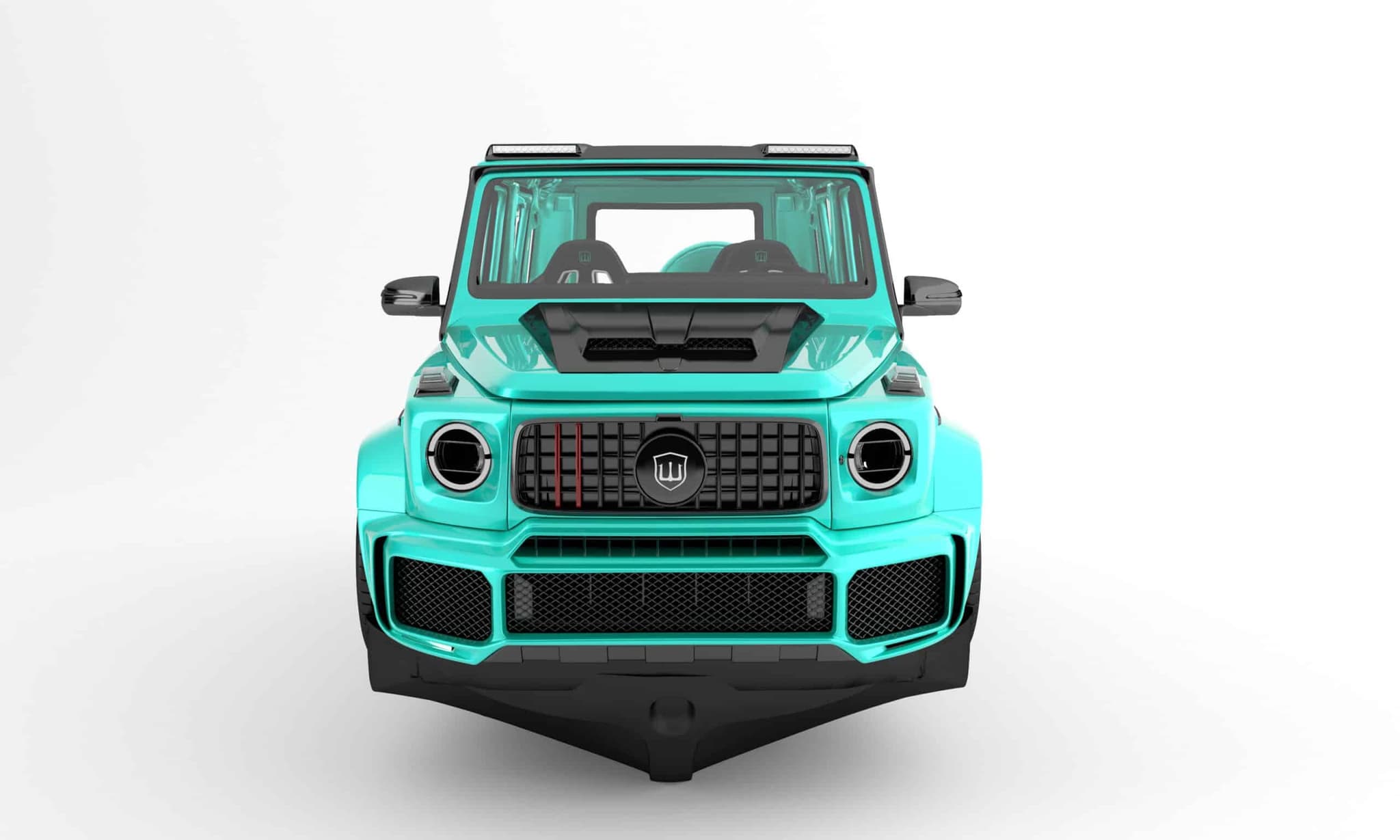 $98,000
WBC Model MG
The definitive off-road legend now commands the open sea. Engineered for performance, designed for presence, and crafted to carry up to six in uncompromising luxury.
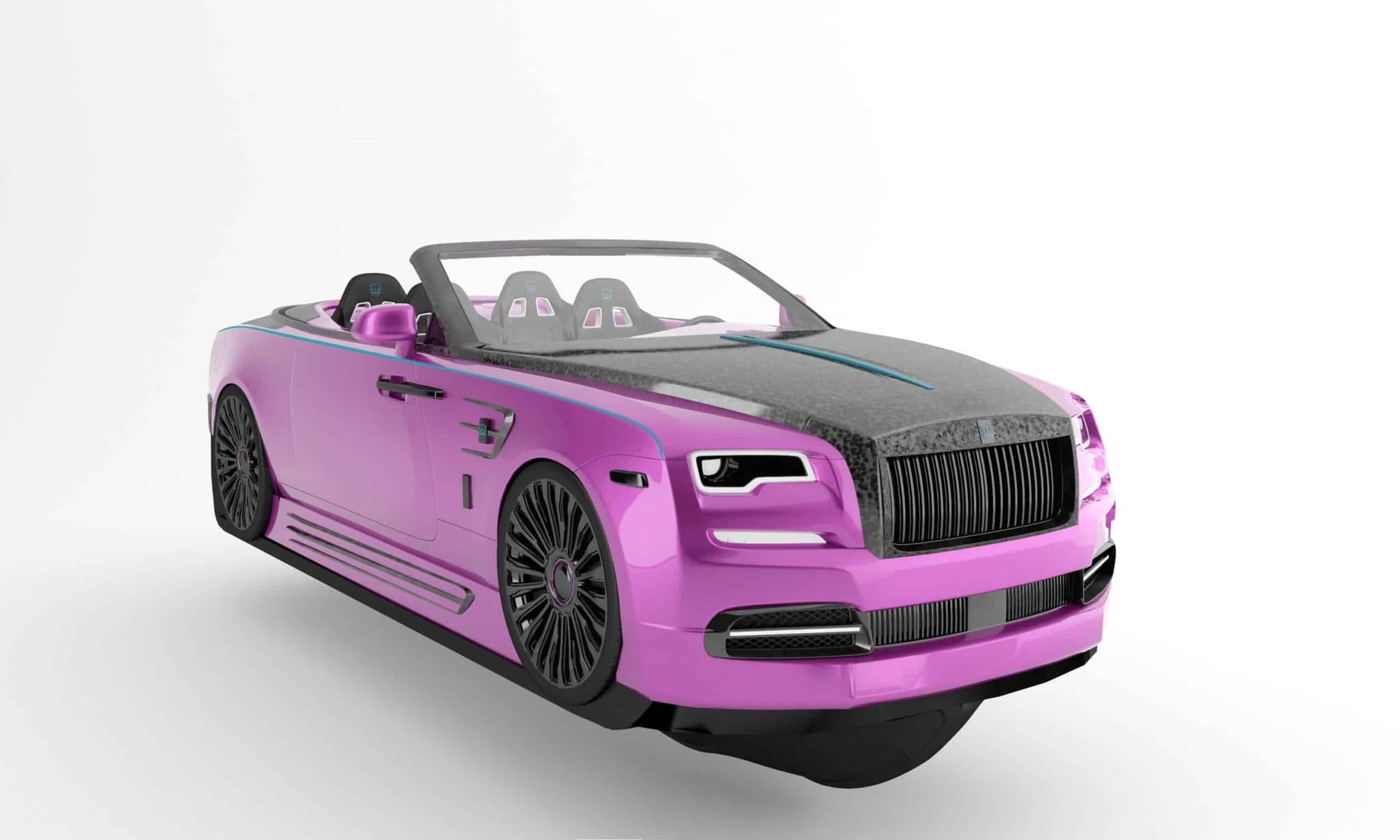 $84,000
WBC Model RR
Crafted for those who refuse to arrive unnoticed. A presence worthy of royalty. A statement beyond status.
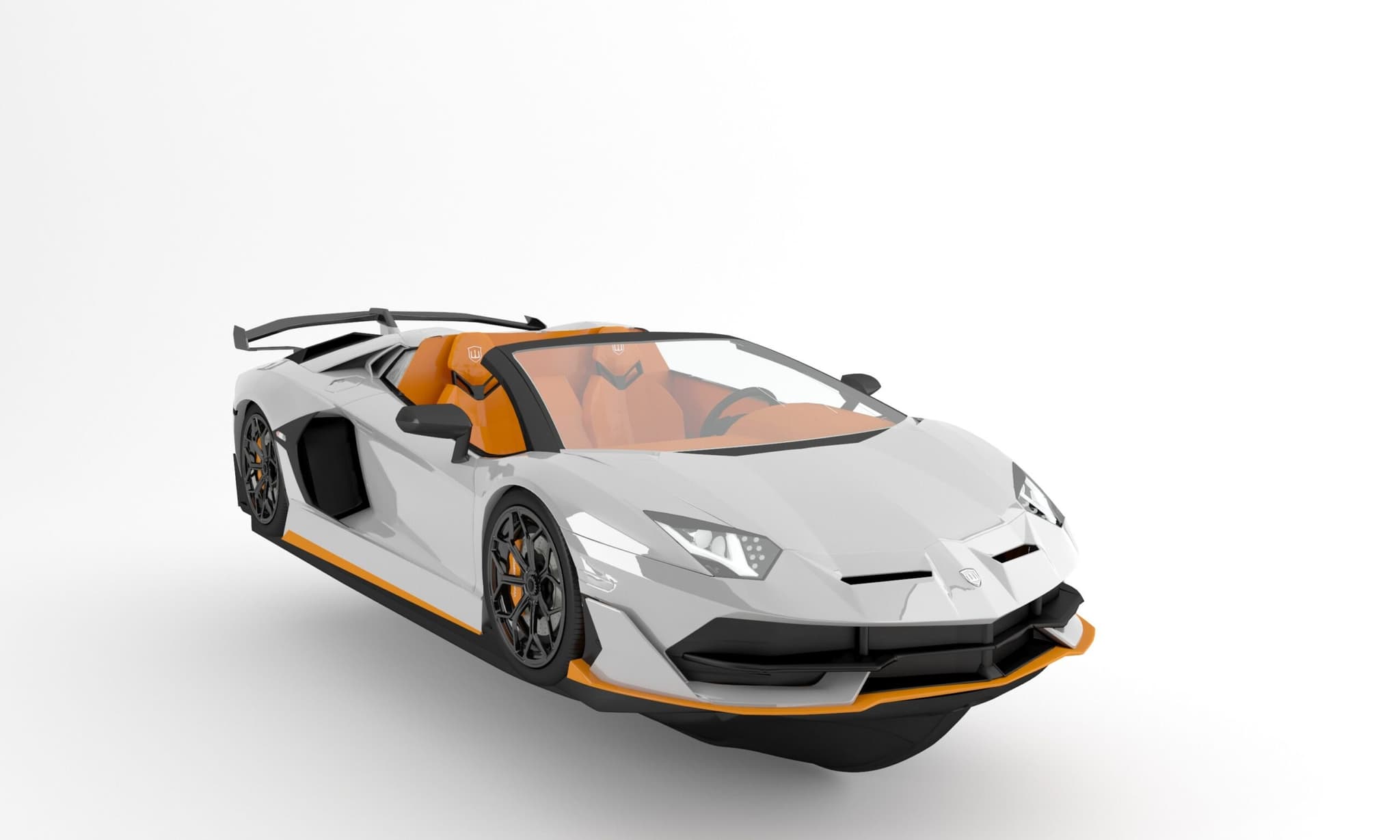 $82,000
WBC Model LA
The pinnacle of super sports performance — now reborn on water. Where Italian passion fuels pure speed.
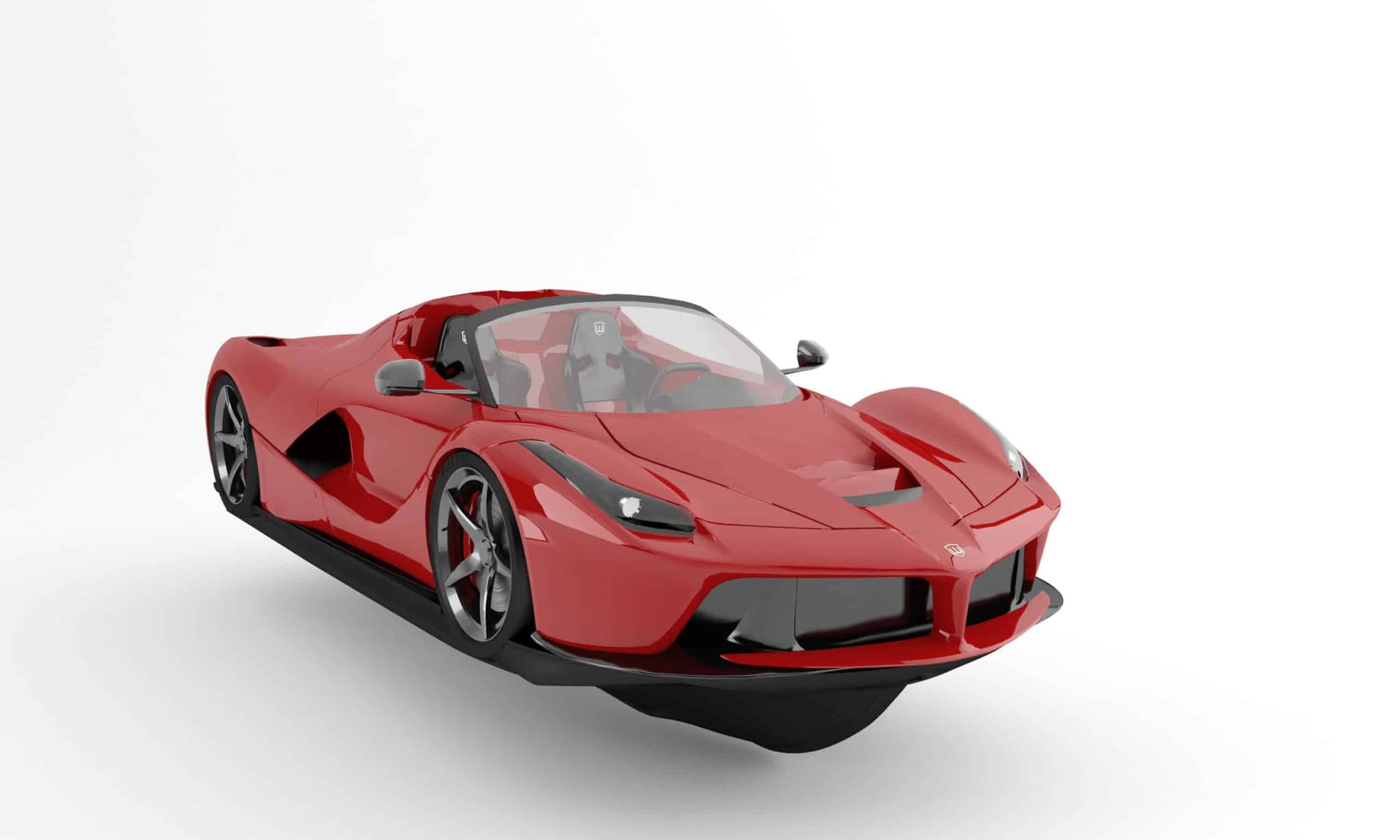 $82,000
WBC Model FLF
Unmatched speed. Now unleashed on water. Driven by Italian passion, engineered for pure performance.
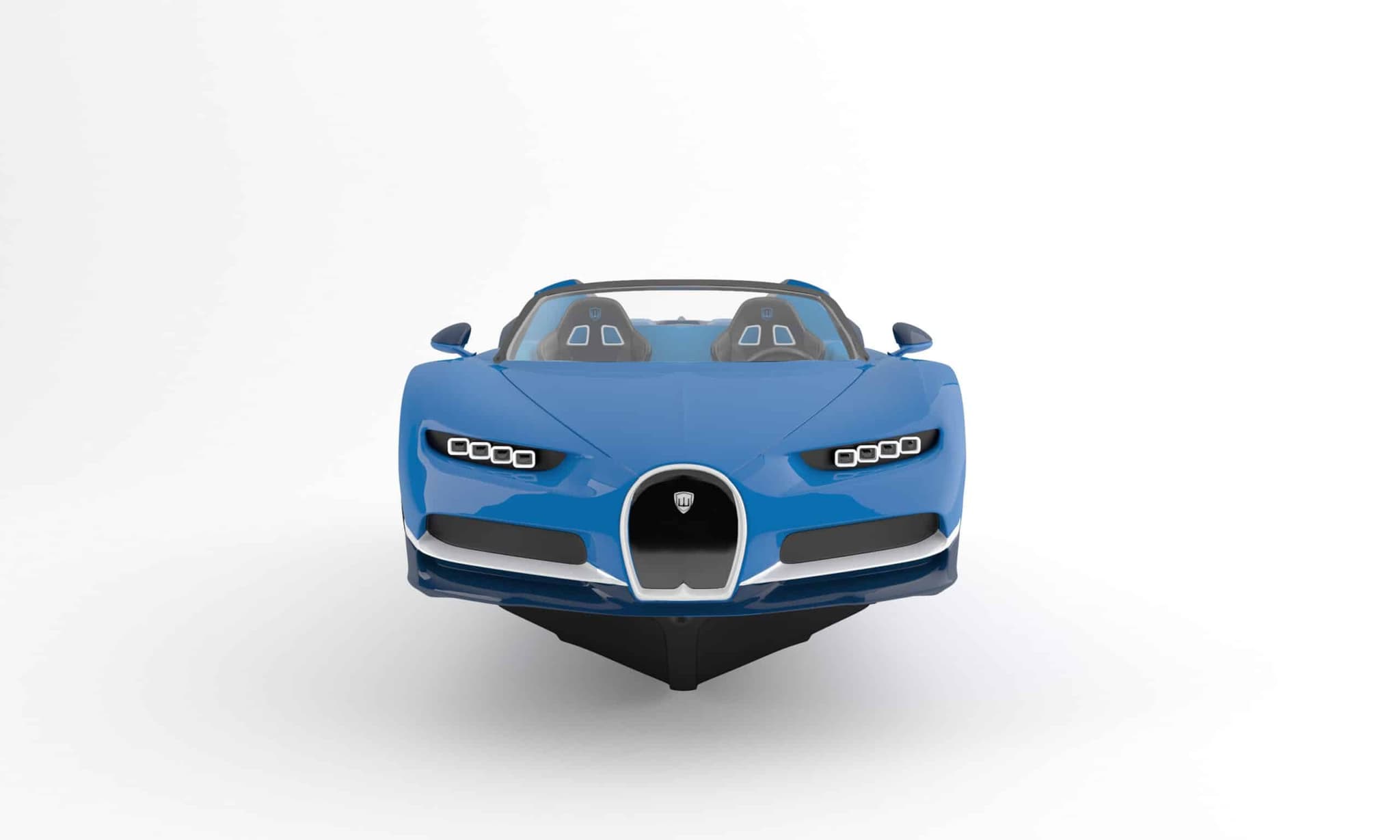 $90,000
WBC Model B
The ultimate expression of performance. When only the absolute best will do, this machine delivers beyond limits.
Keep reading
Related guides that answer the next questions most buyers ask.
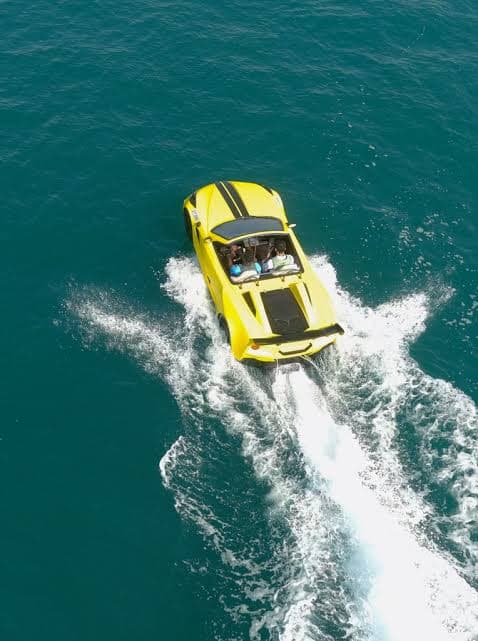
How Fast Do Jet Cars Go? Top Speed by Model
WaterBoatCar jetcars deliver supercar-level performance on water — here's what top speed looks like for each model and what factors determine it.
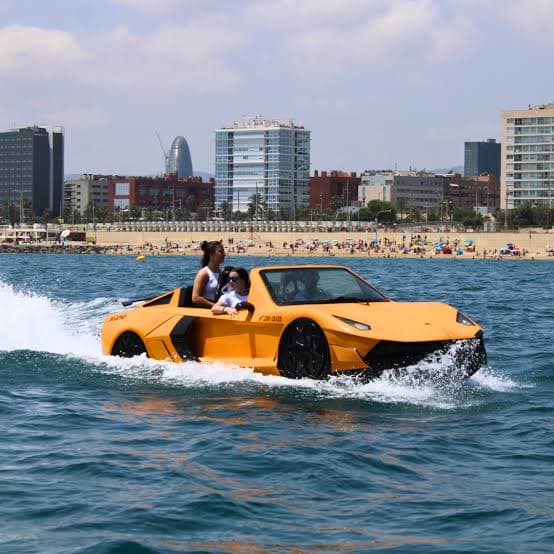
How Do Jet Cars Work? Jet Propulsion Explained
WaterBoatCar jetcars use marine jet propulsion, not propellers — here's how the technology actually moves you across the water.
How Much Does a Jet Car Cost? | WaterBoatCar
See starting prices for every WaterBoatCar jetcar model, what is included, and which features affect the final cost of a custom build.
Jet Car Price Guide | WaterBoatCar
A quick-reference price list for every current WaterBoatCar model, from $82,000 to $98,000, with everything included at each starting price.
Jetcar Maintenance Costs | WaterBoatCar
Owning a WaterBoatCar jetcar involves marine maintenance costs similar to any high-performance personal watercraft — here's what to budget for.
Ready to configure your jetcar?
Choose your model, colours, interior and branding, then submit your build for a confirmed quote and production timeline.