Jet Car Speed: What Affects Performance on the Water
A closer look at what actually determines speed and handling in a WaterBoatCar jetcar, beyond just the horsepower number.
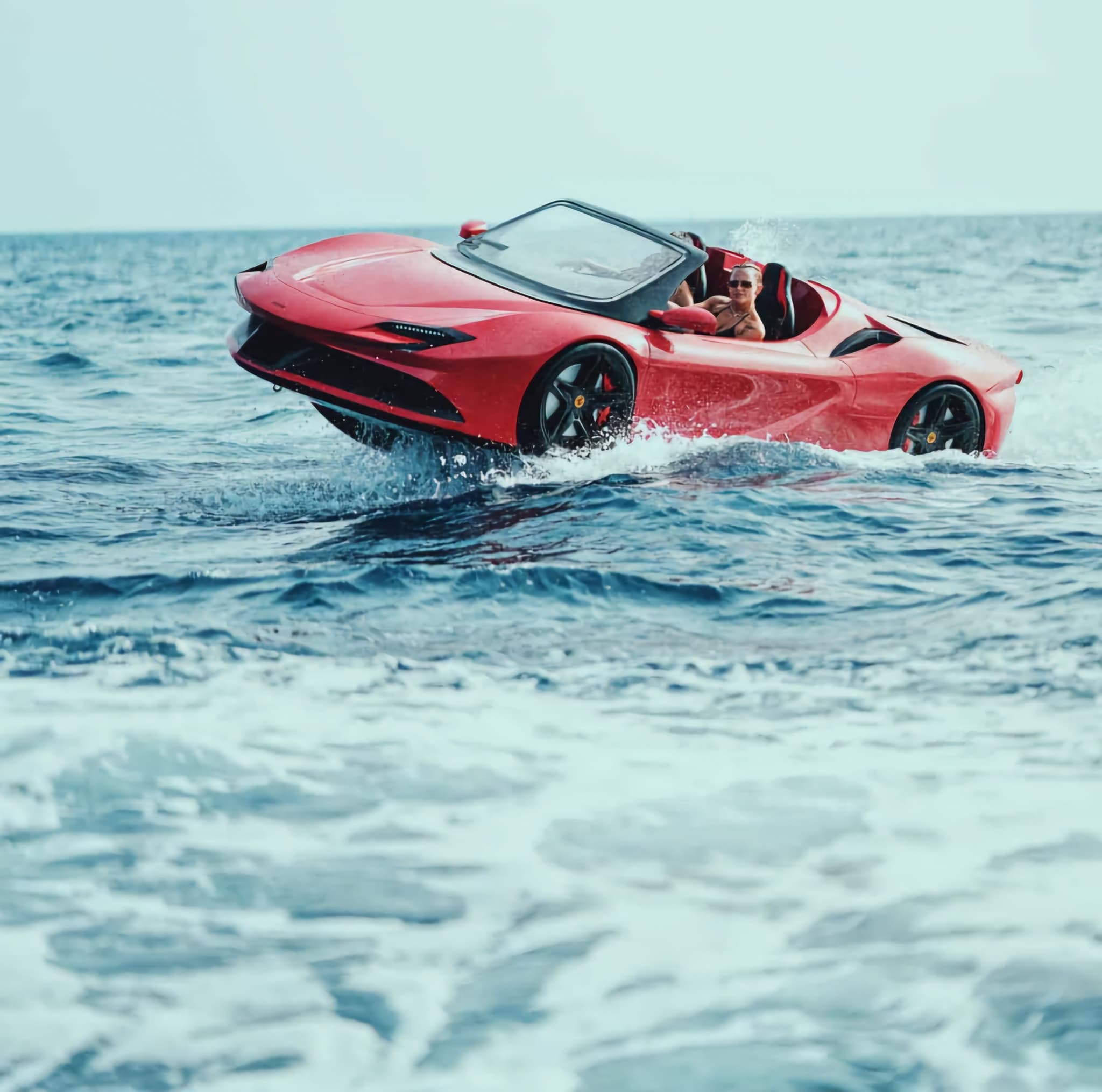
Jet car speed factors go well beyond the horsepower number — and understanding what actually shapes performance on the water is what allows buyers to choose the right model for their real use case rather than the most impressive-sounding specification. This article takes a practical, deeper look at what determines how a WaterBoatCar jetcar actually performs, beyond the raw engine figures covered in our horsepower guide.
The four factors that actually determine speed
Real-world speed on the water is shaped by four interacting factors: engine output, hull design and weight, water conditions, and passenger load. A vessel that performs impressively on all four is fast. A vessel with a powerful engine but a heavy hull in choppy conditions with four passengers is considerably slower than the same vessel in ideal conditions.
1. Engine output
Every WaterBoatCar model runs a high-output marine jet propulsion engine in the 200–300 horsepower range. This places every model in genuine high-performance territory — well above entry-level and mid-tier personal watercraft, comparable to the most powerful premium options on the market.
The marine jet propulsion system delivers thrust directly through the impeller — there is no gearbox, no clutch, no drivetrain between the engine and the water. Throttle response is immediate and direct. This characteristic is part of what makes jet-propelled vessels feel faster than equivalent horsepower in a propeller-driven boat — the lack of mechanical lag means the engine output hits the water as soon as you move the throttle.
2. Hull design and weight distribution
This is where the models in the WaterBoatCar lineup genuinely diverge. Hull shape and weight distribution are naval architecture decisions that affect acceleration, top speed, cornering stability, and how the vessel sits in the water at different speeds.
The Ferrari-inspired Model FLF and Lamborghini-inspired Model LA are the lightest hulls in the lineup — designed with speed and agility as the primary performance priority. Less hull weight at comparable horsepower means better power-to-weight ratio and higher achievable top speeds.
The Bugatti-inspired Model B and Rolls-Royce-inspired Model RR carry more presence and passenger capacity, with hulls optimised for confident, stable high-speed performance over sharp outright-speed maximisation.
The Mercedes G-Class-inspired Model MG carries the most hull weight due to its enclosed cabin structure and 4–6 passenger capacity. Its hull prioritises stability and comfortable high-speed cruising over maximum top speed — a deliberate design choice that reflects the different priorities of its target buyer, not any shortcoming in engineering.
3. Water conditions
This is the factor that surprises people coming from a road vehicle background most consistently: the same vessel, at the same throttle setting, performs meaningfully differently depending on water conditions. Flat, calm water allows the hull to plane efficiently and maintain higher speeds with less engine effort. Choppy or rough conditions introduce irregular impact loads, more drag, and a physical discomfort ceiling that limits how hard you can reasonably push the throttle.
Experienced boat operators develop an intuitive sense for reading conditions and adjusting both expectations and throttle accordingly. This is not a skill to expect from yourself before your first outing — it comes with experience, and it is part of what makes the first several outings a genuine learning curve even for experienced road-vehicle drivers.
4. Passenger and cargo load
More weight means more power required to achieve the same speed — this is straightforward physics, and it applies to every vessel equally. The Model MG operating at full 4–6 passenger capacity performs differently from the same model operating solo. On the lighter two-passenger models, the difference between solo operation and two passengers at full weight is proportionally more significant because the baseline hull is lighter.
This is worth understanding practically when planning outings: if you want to experience the full performance capability of your specific model, test it in the conditions it is designed for — ideally, the intended passenger load on calm water.
Performance comparison across the WaterBoatCar lineup
| Model | Design inspiration | Hull type | Performance priority | Expected speed tier |
|---|---|---|---|---|
| Model FLF | Ferrari | Lightweight, 2–4 passenger | Outright speed and agility | Highest in lineup |
| Model LA | Lamborghini | Lightweight, 2–4 passenger | Outright speed and agility | Highest in lineup |
| Model RR | Rolls-Royce | Mid-weight, open deck, 4–6 passenger | Presence and comfortable performance | High |
| Model B | Bugatti Chiron | Mid-weight, 2–4 passenger | Power and presence | High |
| Model MG | Mercedes G-Class | Heavier, enclosed cabin, 4–6 passenger | Comfort and passenger capacity | High, somewhat lower than lighter models |
Every model in the lineup delivers genuine high-performance operation. The variation is about priority and purpose, not about which models are "good" and which are not.
Pros and cons of the WaterBoatCar performance approach
| Factor | Advantages | Limitations |
|---|---|---|
| Engine output (200–300 hp) | Genuine high-performance tier across all models | Higher fuel consumption at full throttle vs entry-level vessels |
| Jet propulsion | Immediate throttle response, no propeller hazard | Steering authority reduces at low speed/idle |
| Lightweight models (FLF, LA) | Maximum outright speed, sharper acceleration | Less passenger capacity than larger models |
| Heavier models (RR, B, MG) | Passenger capacity, stability, comfortable cruising | Somewhat lower peak speed than lighter models |
| Hull efficiency | Purpose-built for water performance | Real-world speed varies with conditions — not a constant |
| No exposed drivetrain | Cleaner, lower-maintenance thrust system | Cannot shift gears for different power curves |
How throttle technique shapes the experience
How you actually use the throttle shapes both the performance character and the fuel efficiency of any given outing. There are two broadly different approaches:
Smooth, progressive throttle application builds speed gradually, allows the hull to plane efficiently, and typically results in better fuel economy alongside controlled, predictable acceleration. This is the approach that maximises range per tank and gives new operators the clearest feedback about how the vessel responds.
Aggressive full-throttle operation delivers maximum acceleration and prioritises outright performance over fuel economy or smoothness. This is the approach for clear, open water when the goal is performance experience rather than cruising range. Real-world fuel consumption at sustained full throttle is meaningfully higher than at 60–70% throttle.
Most operators use a mix of both across a typical outing — progressive throttle for manoeuvring, full throttle for open-water runs. Developing a feel for your model's response across this range is part of the natural learning curve of the first several outings.
Comparing real-world speed: WaterBoatCar vs alternatives
| Vessel type | Typical power | Performance tier | Unique characteristic |
|---|---|---|---|
| Entry-level jet ski (60–100 hp) | Low | Lower performance tier | Compact, affordable |
| Performance jet ski (130–160 hp) | Mid | Mid-performance tier | Sharp agility |
| WaterBoatCar Model FLF / LA | 200–300 hp | High-performance tier | Supercar design |
| WaterBoatCar Model MG | 200–300 hp | High-performance tier | Enclosed cabin, 4–6 seats |
| Performance speedboat (300–500 hp) | High | High to extreme tier | Larger, less distinctive |
The WaterBoatCar lineup sits in genuine high-performance territory. The comparison with performance speedboats is worth noting: those vessels have more raw power, but they are also much larger, more complex to operate, and lack the distinctive design identity that is central to what a WaterBoatCar model delivers.
How conditions affect your day-to-day performance experience
Understanding the practical performance variation across typical outing conditions helps calibrate expectations accurately:
Flat, calm lake or protected bay: Ideal conditions for maximum performance. The hull can plane efficiently, speeds are highest, and throttle inputs translate most directly to speed without chop interference.
Light to moderate chop on open water: Real performance, but the comfortable operating ceiling drops. Throttle discipline improves the experience significantly — pushing hard into moderate chop is physically uncomfortable and unnecessary.
Significant swell or rough conditions: Performance is available but the practical ceiling is well below what flat-water conditions deliver. Experienced operators naturally back off the throttle in rough conditions not because the vessel cannot handle it but because the experience stops being enjoyable above a certain threshold.
Marina and harbour approaches: Speed limits apply — typically 5 mph no-wake zones enforced by marine patrol. These are legal requirements, not suggestions.
How speed interacts with the design identity of each model
One aspect of the WaterBoatCar performance experience that many buyers mention in retrospect is how the design character of each model shapes the emotional experience of operating it — not just the measured figures.
Driving a vessel that looks like a Ferrari at speed feels different from driving a vessel that looks like an enclosed Mercedes G-Class at the same measured speed. This is not an illusion — the visual cues, the wind exposure, the hull feedback through the seating, and the auditory environment all differ between models in ways that make the subjective experience of speed genuinely distinct even when the measured top speed is similar.
The lighter open-deck models — particularly the Ferrari-inspired Model FLF and Lamborghini-inspired Model LA — are designed to maximise the raw sensory engagement of high-speed operation: wind directly in your face, immediate hull feedback, minimal insulation from the environment. This is the closest equivalent on the water to what an open-top supercar delivers on the road.
The Bugatti-inspired Model B and Rolls-Royce-inspired Model RR offer more visual mass and presence alongside their performance — they look commanding at rest and at speed, with a different emotional character that some buyers strongly prefer.
The enclosed-cabin Model MG filters more of the raw environmental exposure in favour of a more composed, comfortable high-speed experience — closer to the experience of a luxury grand tourer than a stripped-back sports car. Genuine performance, but with the edges smoothed.
Understanding this distinction helps buyers choose not just by speed specification but by the actual experience they want on the water.
What to expect on your first full-throttle run
First-time operators — even those with significant driving experience — consistently report that the first full-throttle run in open water is more visceral than they expected. A few things contribute to this:
Marine speed feels faster than equivalent road speed. At comparable velocities, the open-air environment, the direct wind exposure, the hull feedback from the water surface, and the noise of the engine and water combine to create a more intense sensory experience than the same number on a car's speedometer. This is not a WaterBoatCar-specific observation — it is universally true of high-performance open watercraft.
Throttle response is immediate. Marine jet propulsion has no significant lag between throttle input and thrust output. The acceleration from moderate speed to full throttle happens fast and directly — more immediately responsive than most car engines through gearing.
The engine sound at full throttle is genuinely impressive. A 200–300 hp marine engine at full throttle in open water is a legitimate high-performance sound — not artificially suppressed, not isolated behind soundproofing. It adds to the experience in a way that sealed road vehicles cannot replicate.
Our honest recommendation for first-time operators: do your deliberate, careful skill-building in your first outing in calm, open water — practice your manoeuvring, your stopping, your turning. Then, when you are comfortable, find a clear stretch of open water and give it full throttle. That moment is why the vessel exists, and it rarely disappoints.
Getting exact performance figures for your specific model
As with our top-speed guidance, we do not publish universal performance figures that would apply inaccurately across the different models in the lineup. What we do provide — as part of the quote and delivery process — is real, tested, model-specific performance data for your specific build.
If comparing performance across models is a key decision criterion for you, say so clearly when you reach out to our team. Our advisors can walk you through the exact figures for each model you are considering and give an honest, direct answer about which choice best supports your performance priorities.
Final thoughts
Real-world jet car speed and performance on the water come from the interplay of hull design, water conditions, throttle technique, and load — not just a horsepower number. Understanding these factors is what allows buyers to choose the right model for their actual priorities rather than just the headline specification. Our how fast do jet cars go guide covers the top-speed picture across the full lineup, and our team can walk you through exact, honest specifications for whichever model you are considering during the quote process.
Frequently Asked Questions
What determines jet car speed on the water?
Jet car speed is shaped by four main factors: engine output, hull weight and design, real-world water conditions, and total passenger and cargo load. Horsepower alone does not determine speed — hull efficiency and weight are equally important.
Does throttle technique meaningfully affect fuel consumption as well as speed?
Yes — smoother, more moderate throttle use generally improves fuel efficiency compared to aggressive full-throttle operation, the same relationship that is true of most high-performance engines.
How much does passenger load actually affect performance on the Model MG?
Operating at or near full 4–6 passenger capacity does measurably affect acceleration and top speed compared to solo operation, though the Model MG's engine and hull are specifically designed to handle its full rated capacity confidently.
Is there a best water condition for testing a jetcar's true performance?
Flat, calm water gives the most accurate sense of a vessel's peak performance capability. Choppy conditions will always show somewhat reduced performance regardless of the underlying vessel's specifications.
Can hull design differences between models really be felt by a less experienced rider?
Yes, to a meaningful degree — even riders newer to personal watercraft generally notice the difference between the lighter, quicker-handling models and the larger, more stability-oriented Model MG.
Should I prioritize speed specs or comfort specs when choosing a model?
This comes down to your actual intended use. Solo or two-person performance-focused riding favours the lighter models; group outings and passenger comfort favour the Model MG. Discuss your priorities with your advisor to find the right fit.
Explore the models
Every WaterBoatCar jetcar is hand-finished to order. Tap a model to see specifications, gallery and pricing.
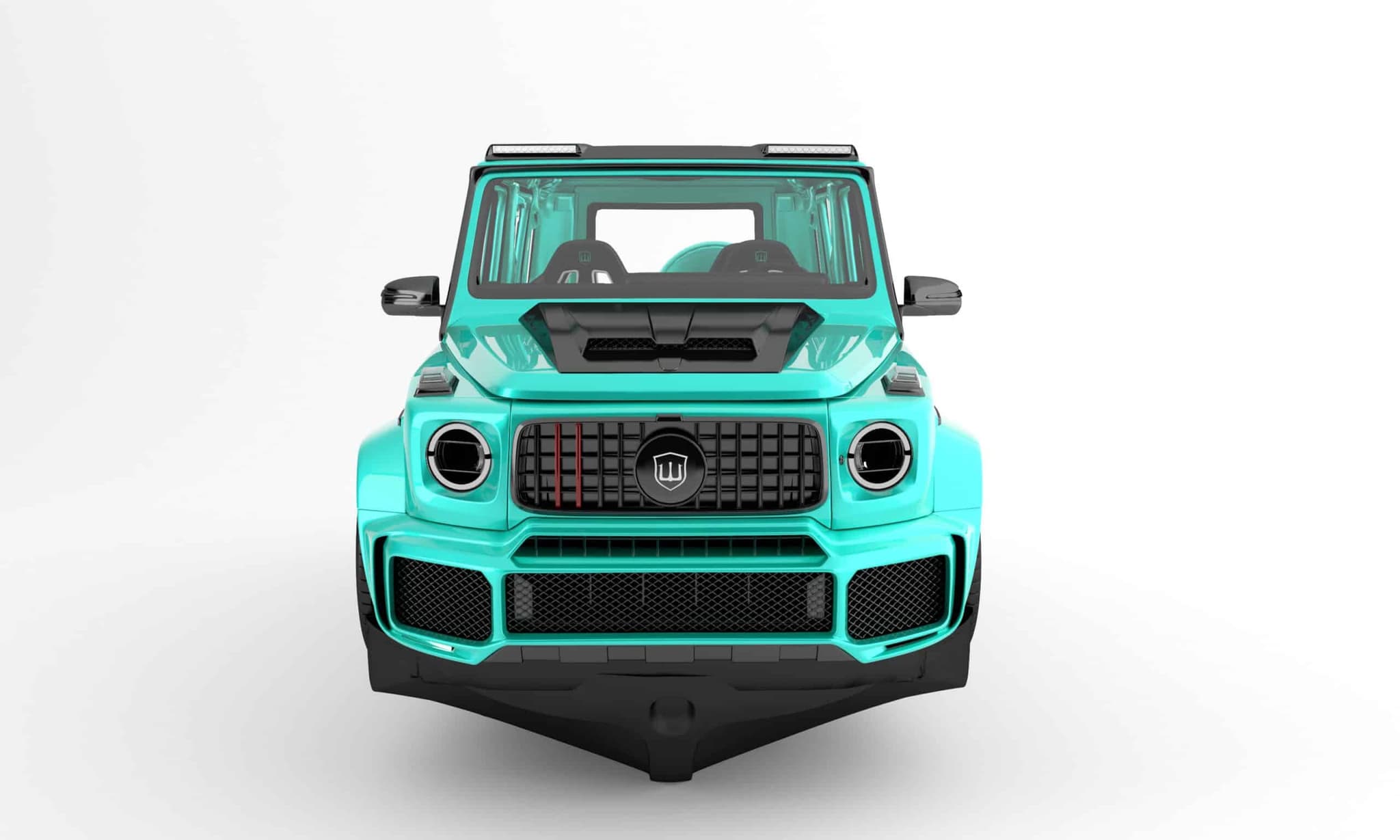 $98,000
WBC Model MG
The definitive off-road legend now commands the open sea. Engineered for performance, designed for presence, and crafted to carry up to six in uncompromising luxury.
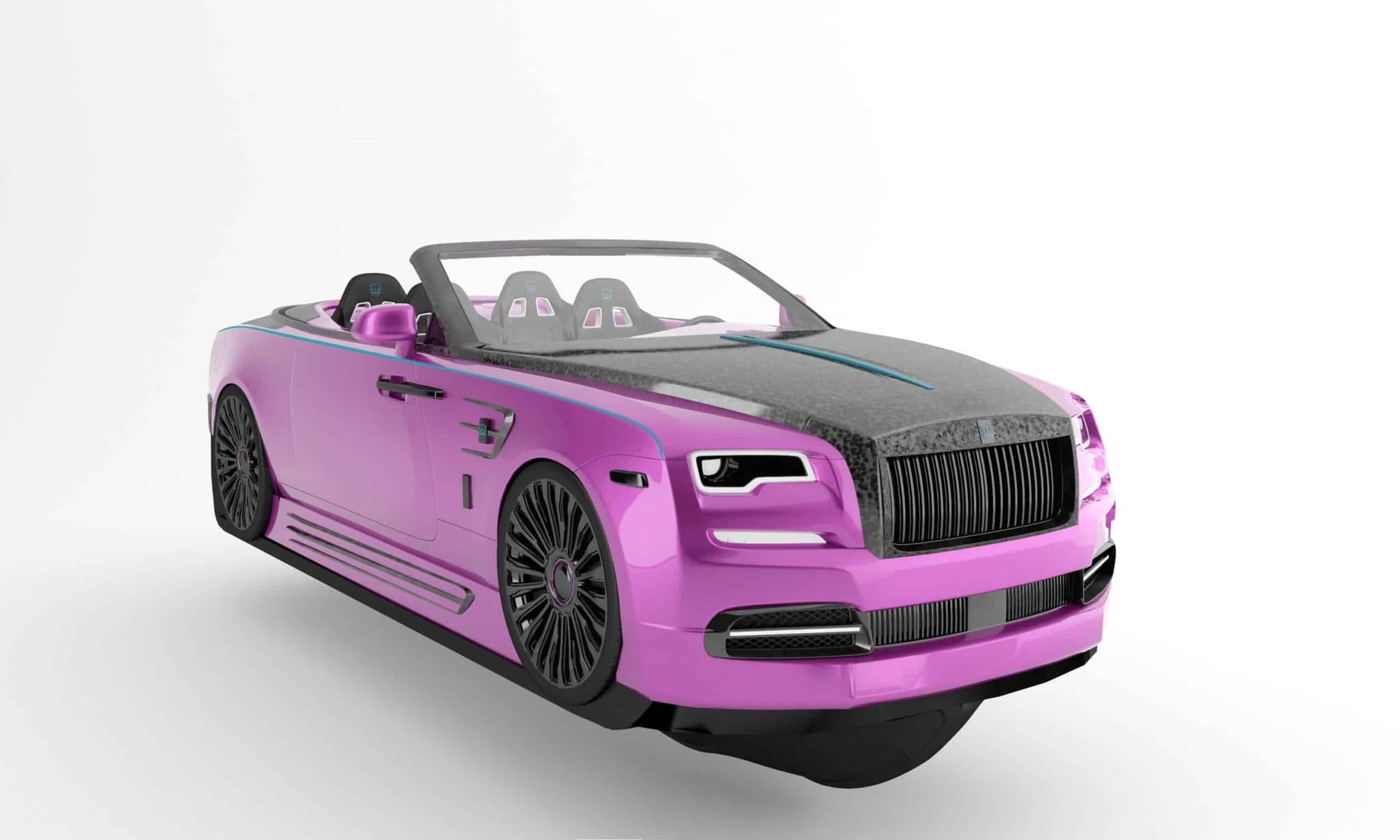 $84,000
WBC Model RR
Crafted for those who refuse to arrive unnoticed. A presence worthy of royalty. A statement beyond status.
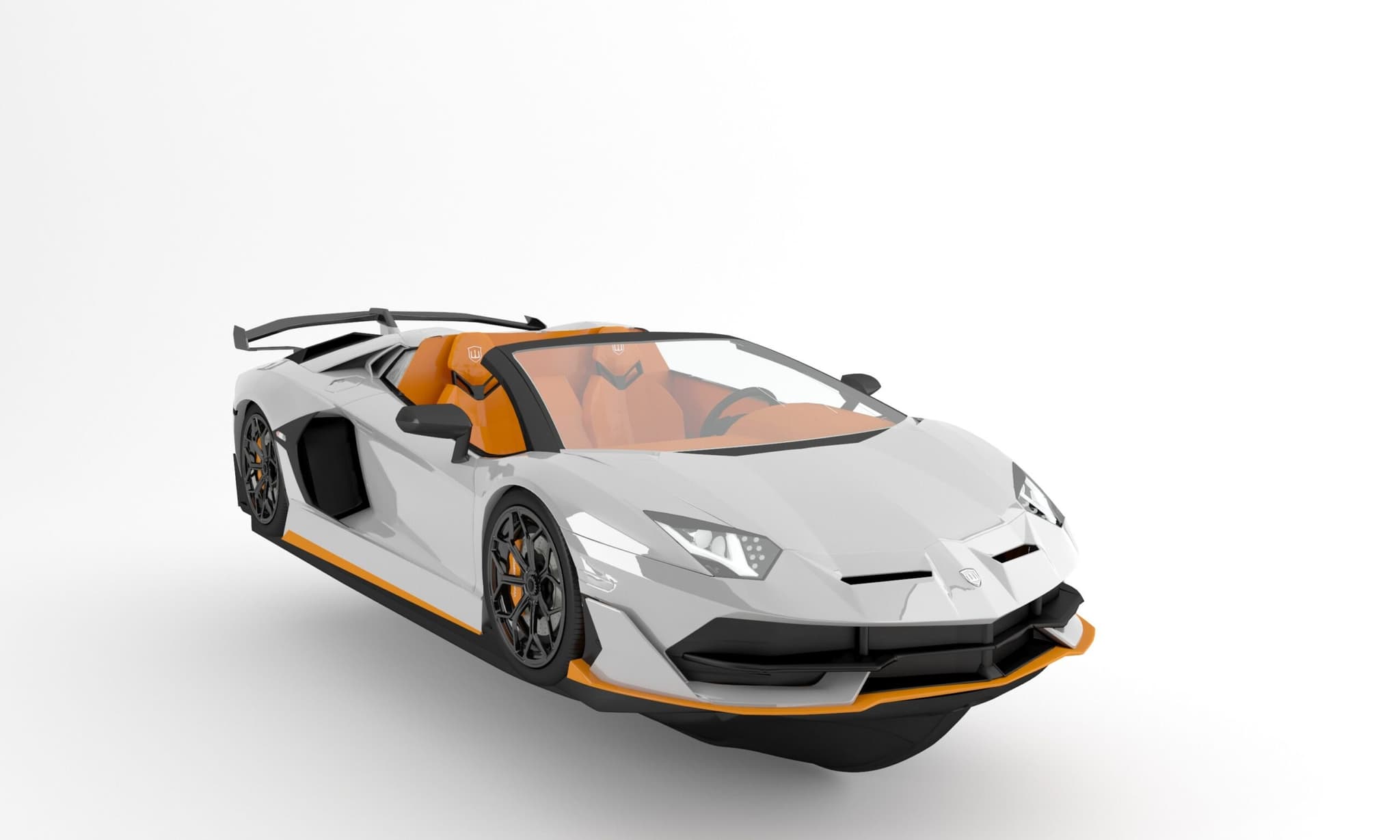 $82,000
WBC Model LA
The pinnacle of super sports performance — now reborn on water. Where Italian passion fuels pure speed.
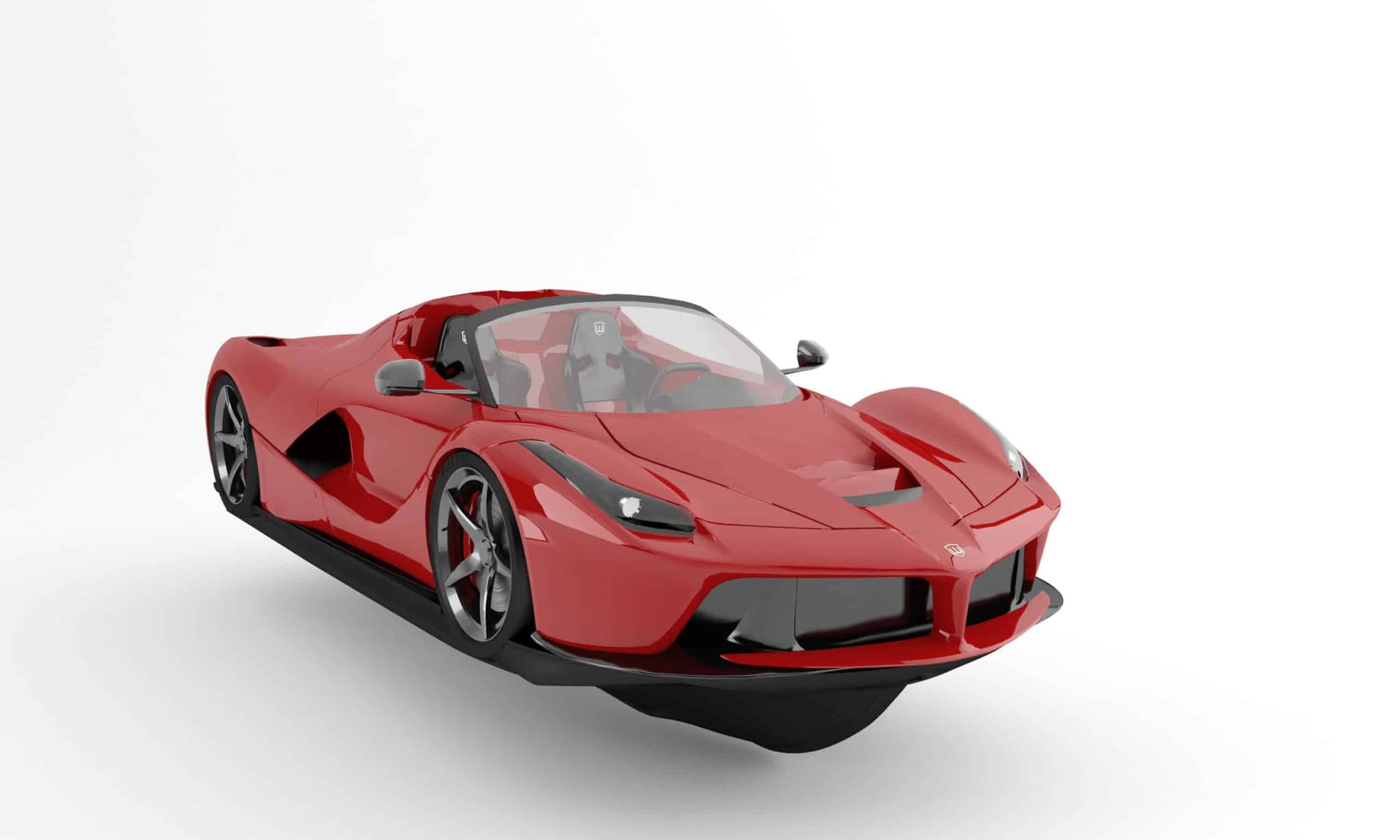 $82,000
WBC Model FLF
Unmatched speed. Now unleashed on water. Driven by Italian passion, engineered for pure performance.
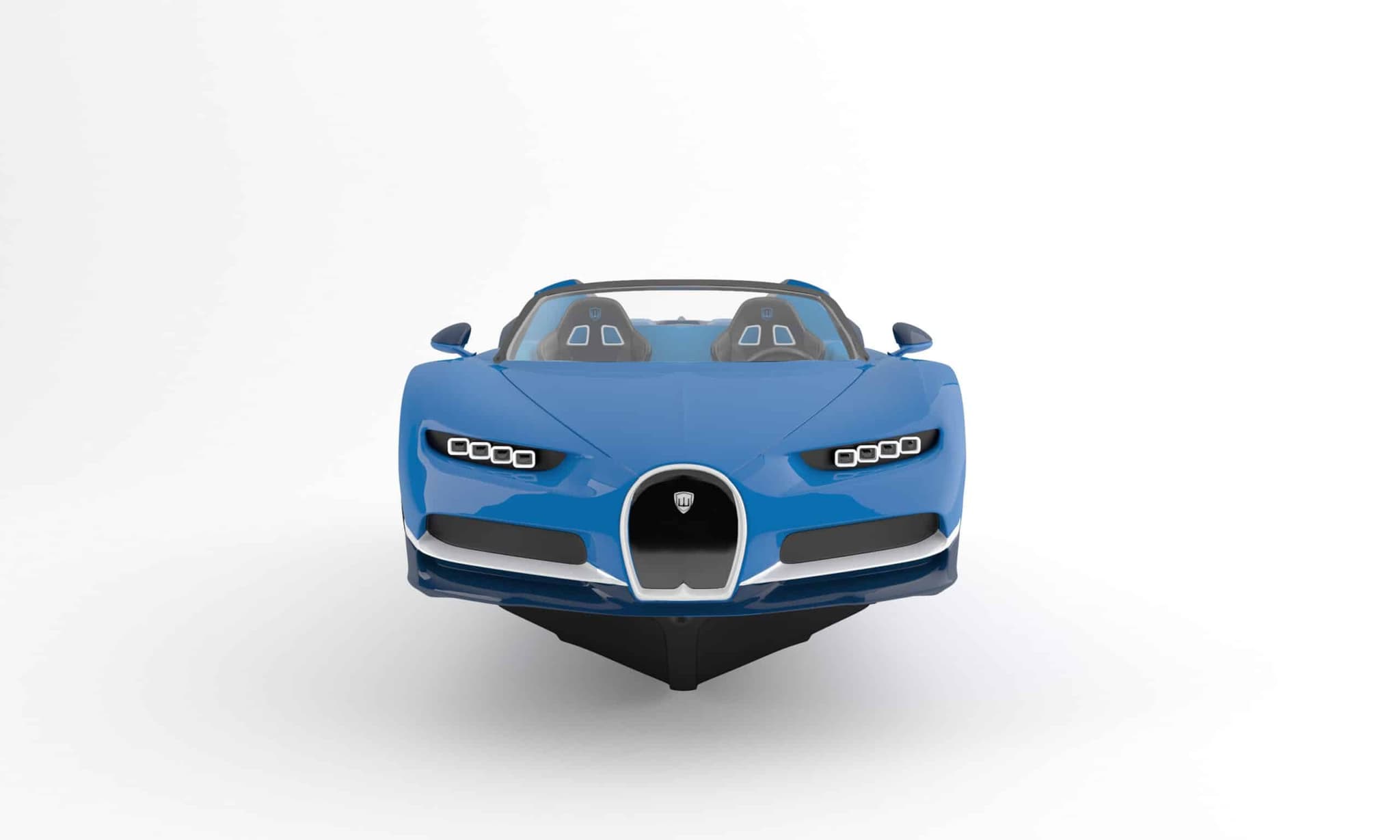 $90,000
WBC Model B
The ultimate expression of performance. When only the absolute best will do, this machine delivers beyond limits.
Keep reading
Related guides that answer the next questions most buyers ask.
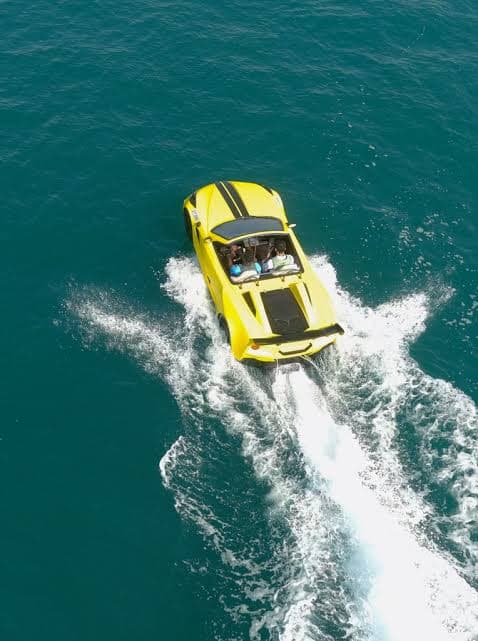
How Fast Do Jet Cars Go? Top Speed by Model
WaterBoatCar jetcars deliver supercar-level performance on water — here's what top speed looks like for each model and what factors determine it.
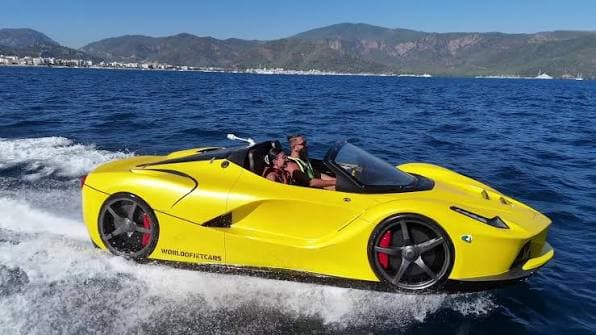
Jetcar Horsepower Guide | WaterBoatCar
Compare horsepower across the WaterBoatCar luxury jetcar lineup and learn how engine output affects speed, handling, and on-water performance.
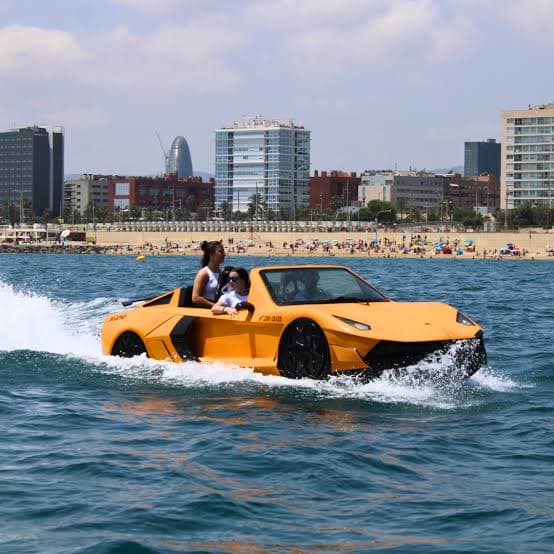
How Do Jet Cars Work? Jet Propulsion Explained
WaterBoatCar jetcars use marine jet propulsion, not propellers — here's how the technology actually moves you across the water.
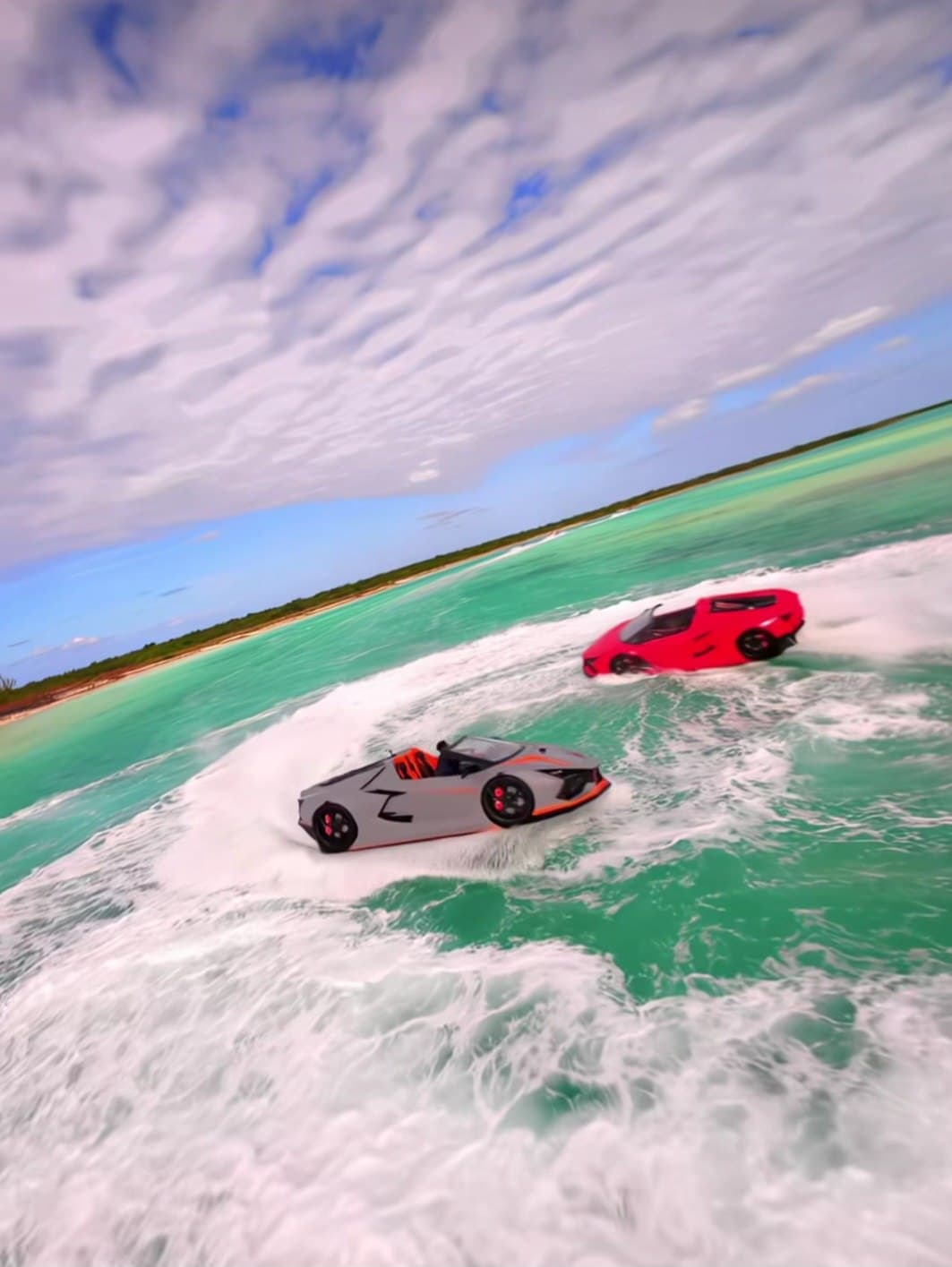
Jet Car vs. Jet Ski: What's the Real Difference?
Compare a WaterBoatCar jetcar with a traditional jet ski across design, comfort, performance, handling, ownership, and everyday use.
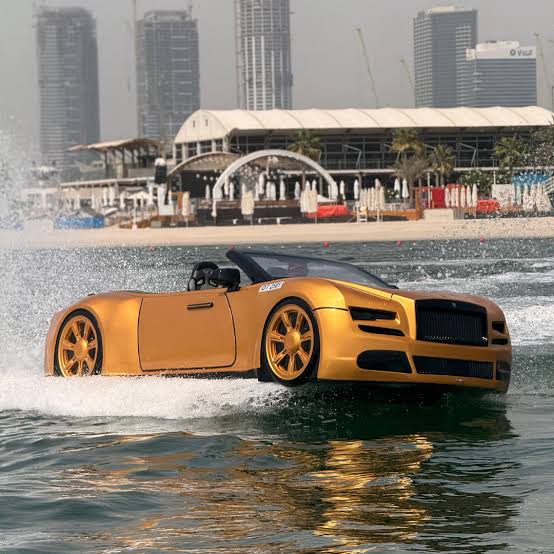
How Much Does a Jet Car Cost? | WaterBoatCar
See starting prices for every WaterBoatCar jetcar model, what is included, and which features affect the final cost of a custom build.
Ready to configure your jetcar?
Choose your model, colours, interior and branding, then submit your build for a confirmed quote and production timeline.